Divisions

Office of the County Engineer

The Office of the County Engineer oversees the planning, building, repair, and upkeep of all county roads. The office includes several work groups: Design Engineering, Construction Engineering, Traffic Engineering and Operations, Survey, Development Review, the Project Program Management Office, and Real Estate Services.
  • Slide title

    Write your caption here
    Button
  • Slide title

    Write your caption here
    Button
  • Slide title

    Write your caption here
    Button
  • Slide title

    Write your caption here
    Button
  • Slide title

    Write your caption here
    Button

Work Groups

Construction Engineering

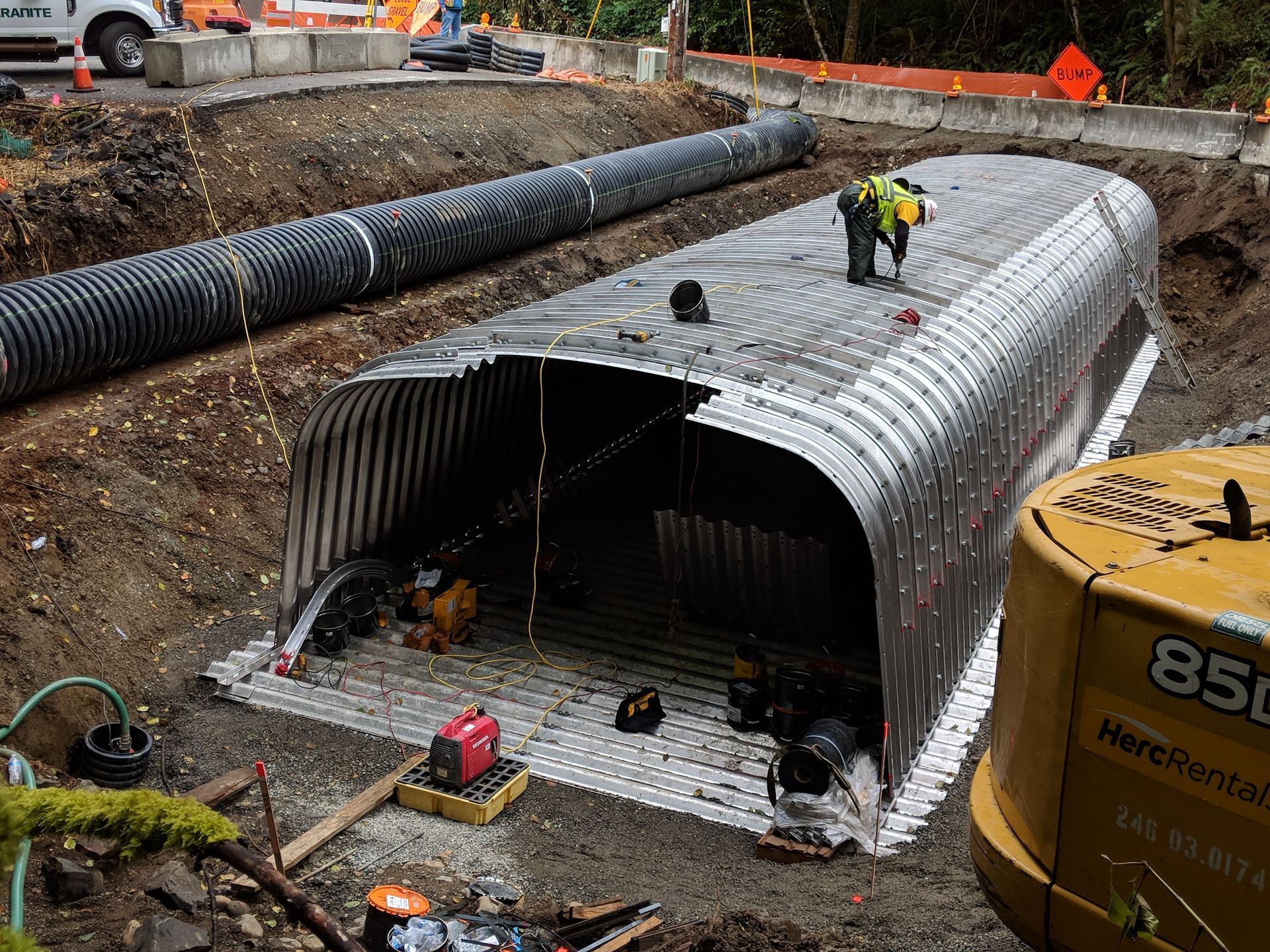
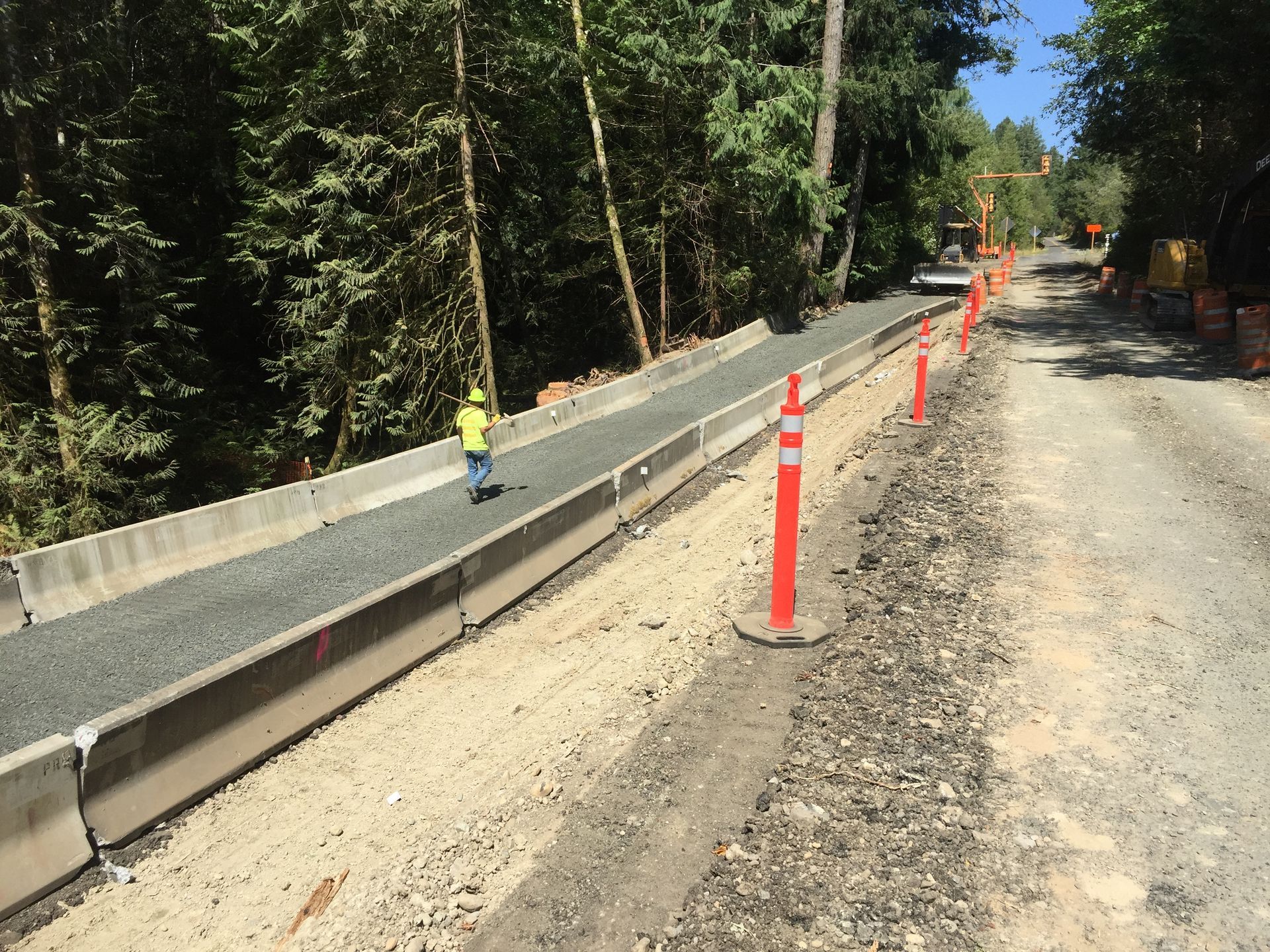
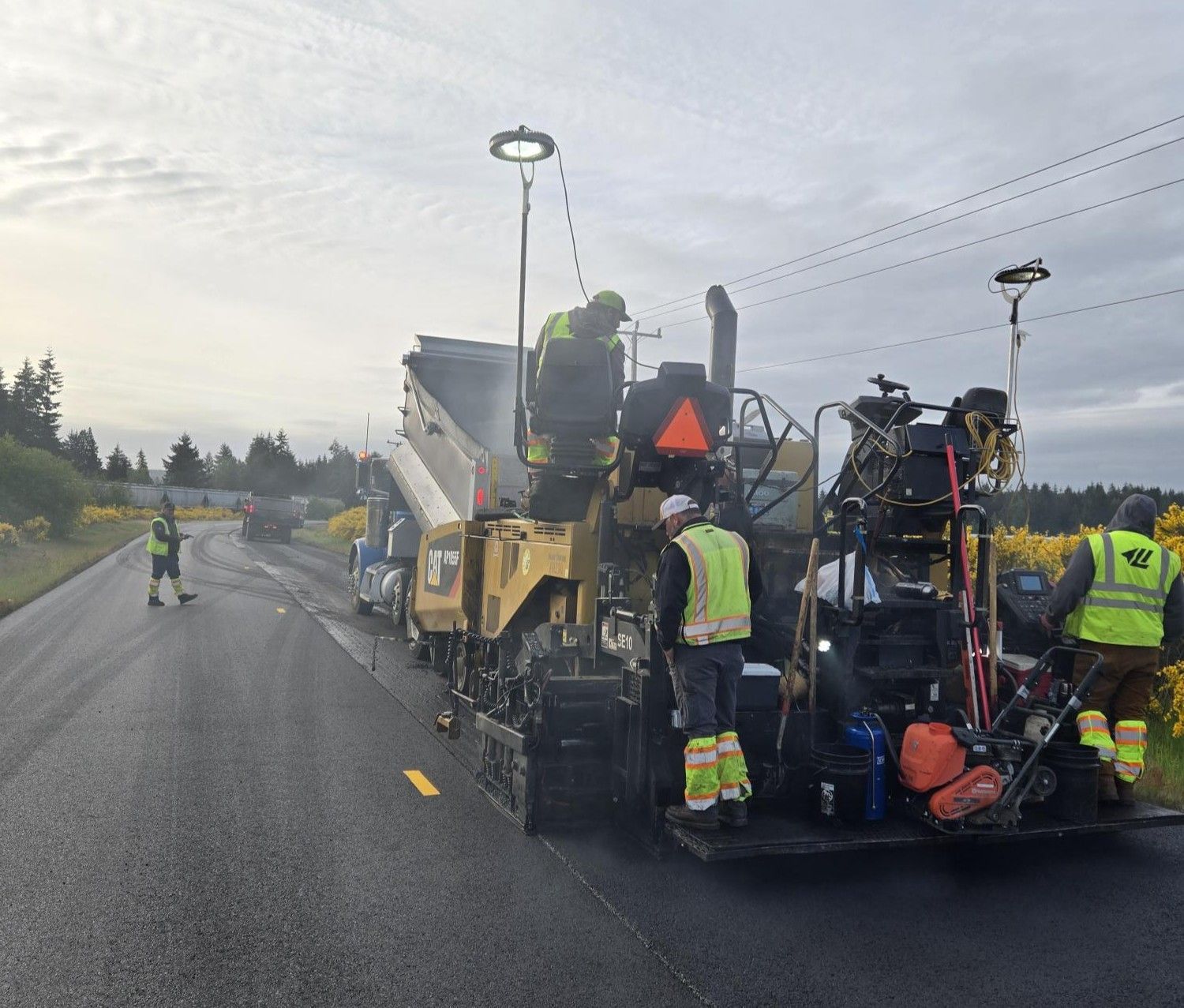
The Construction Engineering work group oversees and inspects our capital construction projects and the pavement preservation program. They make sure every project is built to the specified design standards and follows proper safety practices. The team also ensures all work meets federal, state, and local labor and engineering requirements.

Design Engineering

The Design Engineering work group creates the plans for major infrastructure projects, including roads, parks and trails, solid waste sites, and stormwater systems. The team of engineers and project managers uses both in-house skills and consultant support to develop these projects. Together, they plan and deliver Thurston County’s capital programs from start to finish.

Development Review

The Development Review work group answers permitting questions from the public and reviews private development projects to make sure they meet Public Works codes and standards. Their inspections help protect the community and ensure new projects are built safely and correctly. This team is the permitting arm of Public Works and is based at the Building Development Center, 3000 Pacific Ave SE, in Olympia.

Real Estate Services

The Real Estate Services team helps keep county projects moving by making sure all land-related work follows federal and state laws. They secure the land and property rights needed before any construction or repair project starts, handle requests from utility companies to use county rights-of-way, and maintain detailed records for county-owned properties. The team also manages permits, leases, and property disposals for all Public Works properties tied to real estate activities.

Survey

The Survey work group creates topographical maps of roads, trails, bridges, culverts, parking areas, and rivers to support project designs and public works teams, along with maintaining survey monument markers and references. During the construction of capital projects, the survey group stakes out the proposed work for contractors to ensure improvements are built at the locations as designed. The team also leads the department’s drone program.

Traffic Engineering and Operations

The Transportation Engineering and Operations work group designs, operates, and maintains all traffic control devices on public roads in unincorporated Thurston County. Their responsibilities range from managing signs, streetlights, and road striping to completing speed studies, traffic engineering, traffic calming, pavement maintenance and improvement planning, ADA planning, and long-range transportation projects. They also respond to public service requests, work with neighborhood groups, and support programs that promote driver safety and awareness.


Environmental Services

The Environmental Services work group brings together environmental policy, permitting, and technical support for all Public Works divisions, making sure projects meet federal, state, and local requirements. The team handles permit applications, environmental reviews, inspections, and mitigation work throughout project delivery. They also support the Fish Passage Enhancement Program by evaluating sites, securing grants, and completing environmental reviews and habitat restoration plans.

Project Program Management Office

The Project Program Management work group supports all Public Works divisions with a wide range of services. They help improve processes, set priorities, and guide projects to ensure compliance with industry best practices. The team also works with other County departments and outside agencies to coordinate long-range infrastructure and land-use planning.

By the Numbers

9

Projects in Pre-Design Study

4

Fish passage enhancement projects completed

18

Capital projects completed

573

Miles of roadway striped

34,600

Gallons of paint used

243

Number of thermal plastic markings replaced

Traffic calming devices installed

25 Speed humps

6 Traffic circles

1 Raised crosswalk

2 Chicanes

30,264

Tons of asphalt laid

24,838

Tons of total rock moved

45,589

Cubic yards of dirt moved

$30.2 M

Contracted construction work completed

12

Miles of fish habitat restored

24

Acquisitions for county projects

Project Highlights
Fish Passage Projects

Aging infrastructure has created barriers for fish across Thurston County, making it more difficult for salmon and other species to reach their upstream spawning grounds. Public Works is removing these barriers when possible to support healthy waterways and restore habitat.

Cooper Rd Culvert Replacement

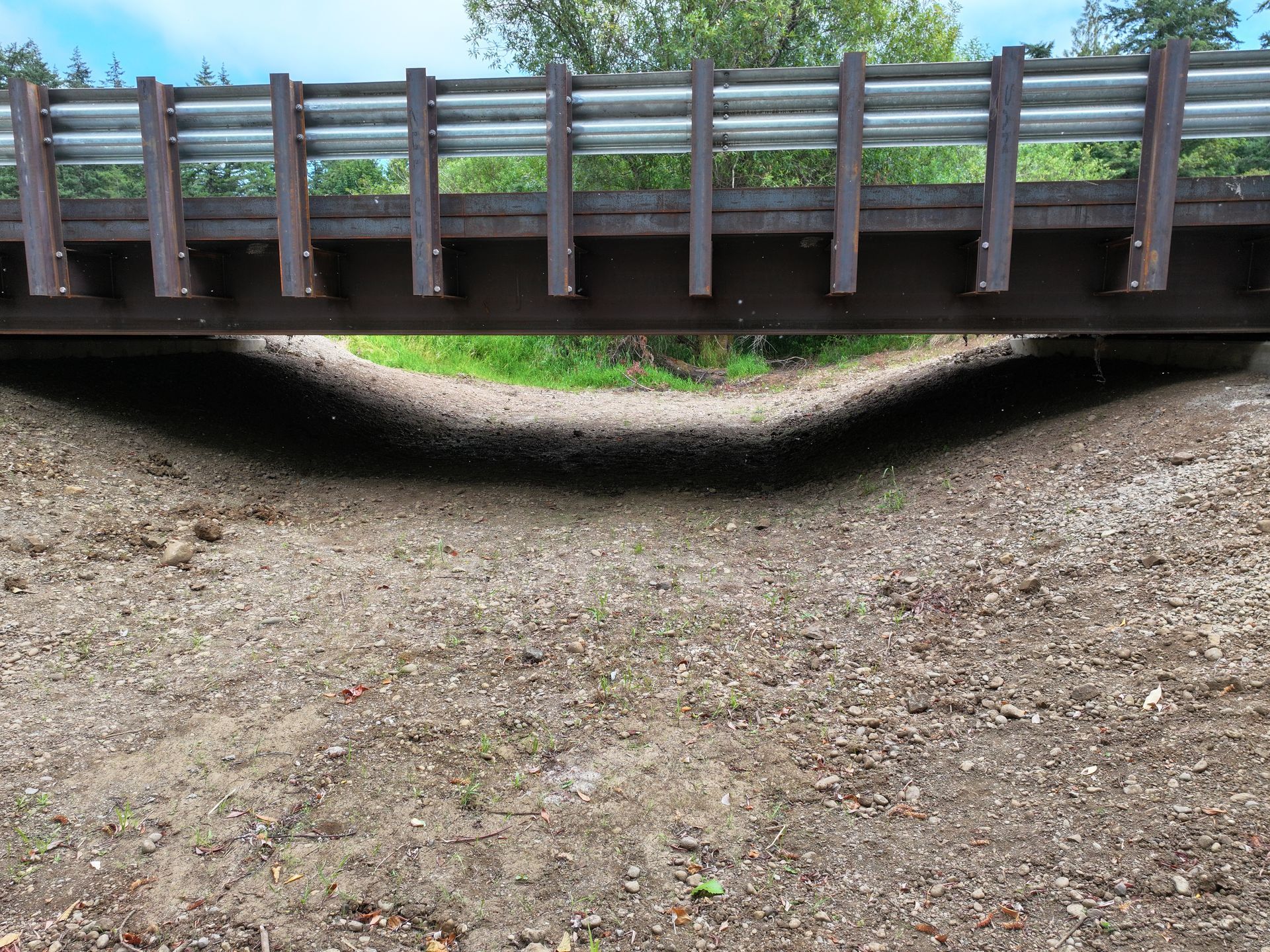
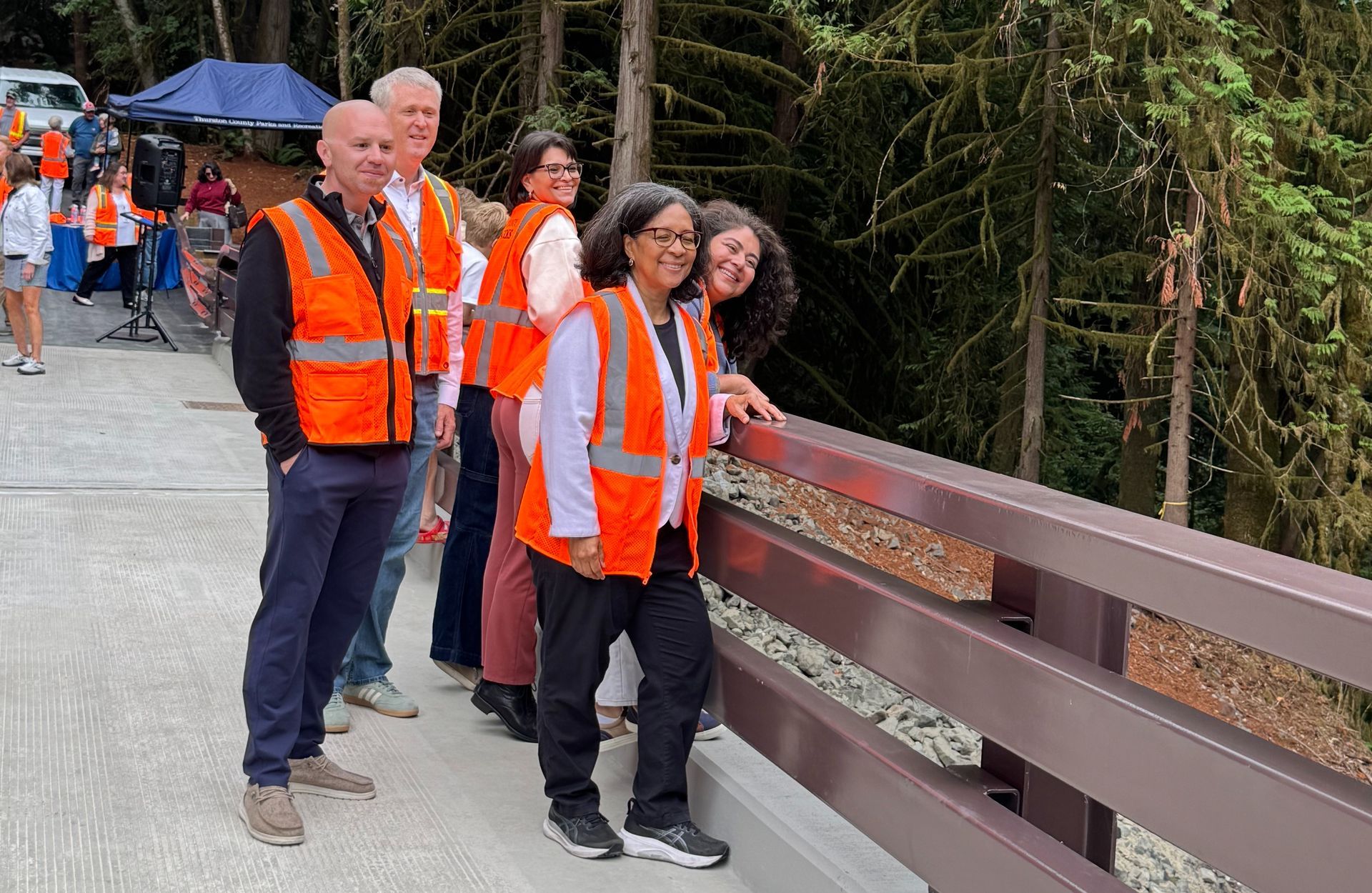
A new bridge was installed on Cooper Rd SW at the Off-Road Vehicle Park entrance, replacing a temporary structure loaned to us by Mason County after storm damage washed out the road. With significant funding from the Federal Emergency Management Agency, this project improved driver safety, reduced flooding, and reopened a key passage for migrating fish.

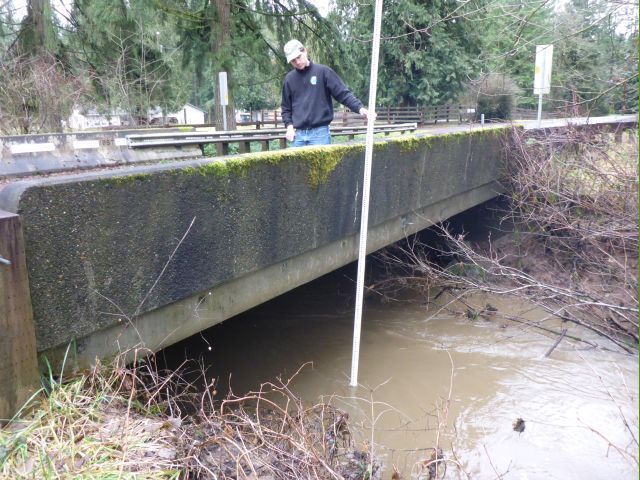
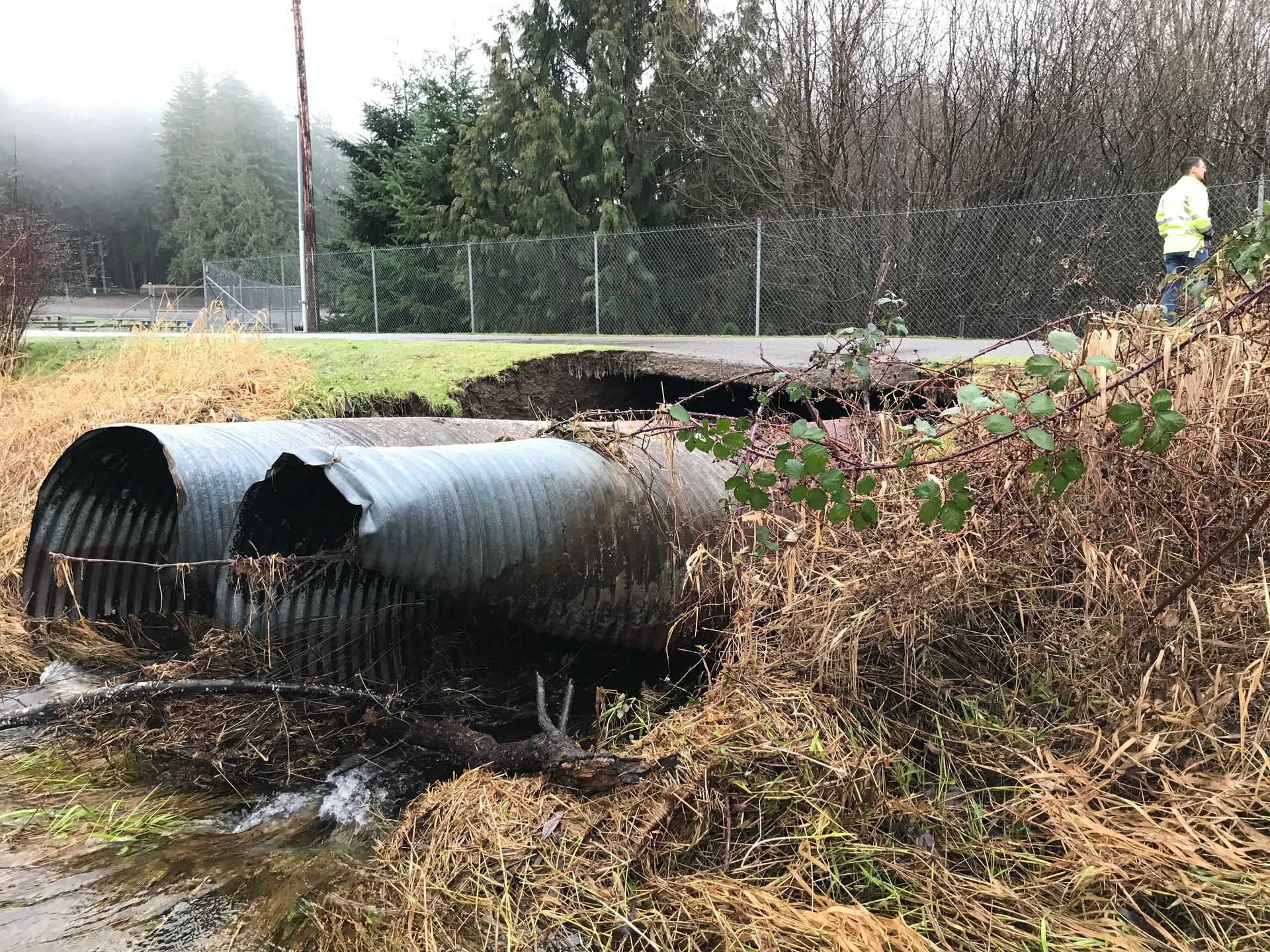
A road hangs over two culverts with sediment fill washed out. A Thurston County staff member stands in the background during the site visit.

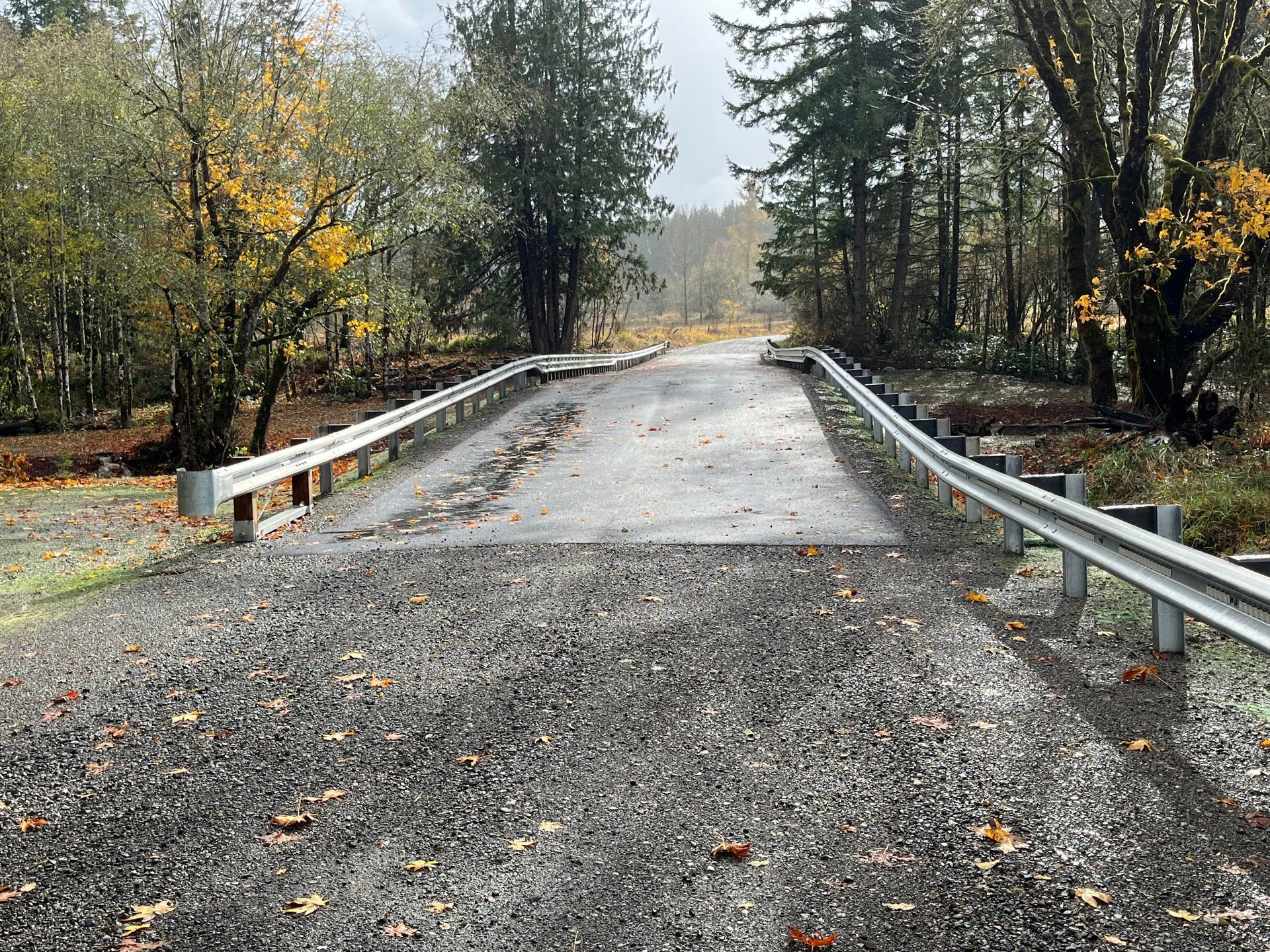
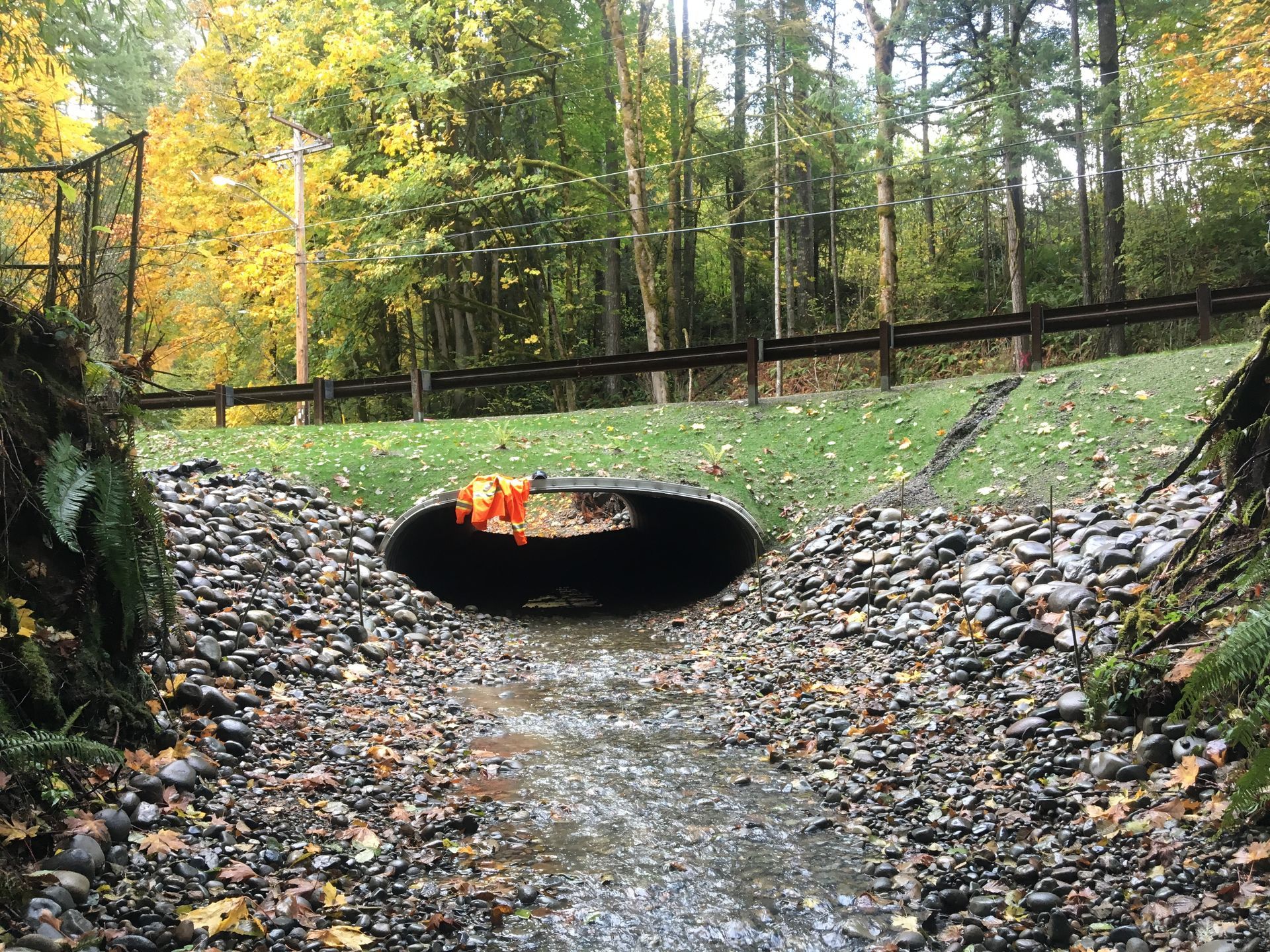
A bridge is set over an empty streambank with vegetation sprouting below and trees in the background.

Thompson Creek Fish Passage

An undersized, fish-blocking culvert on Thompson Creek was replaced with a full-span bridge. The project reconnected over 10 miles of upstream habitat between the creek’s headwaters and the Skookumchuck River. Funding was provided by the Brian Abbott Fish Barrier Removal Board and the Salmon Recovery Funding Board.

A large culvert sticks out of a densely vegetated hillside. Measuring tools lean against the culvert during a stream survey.

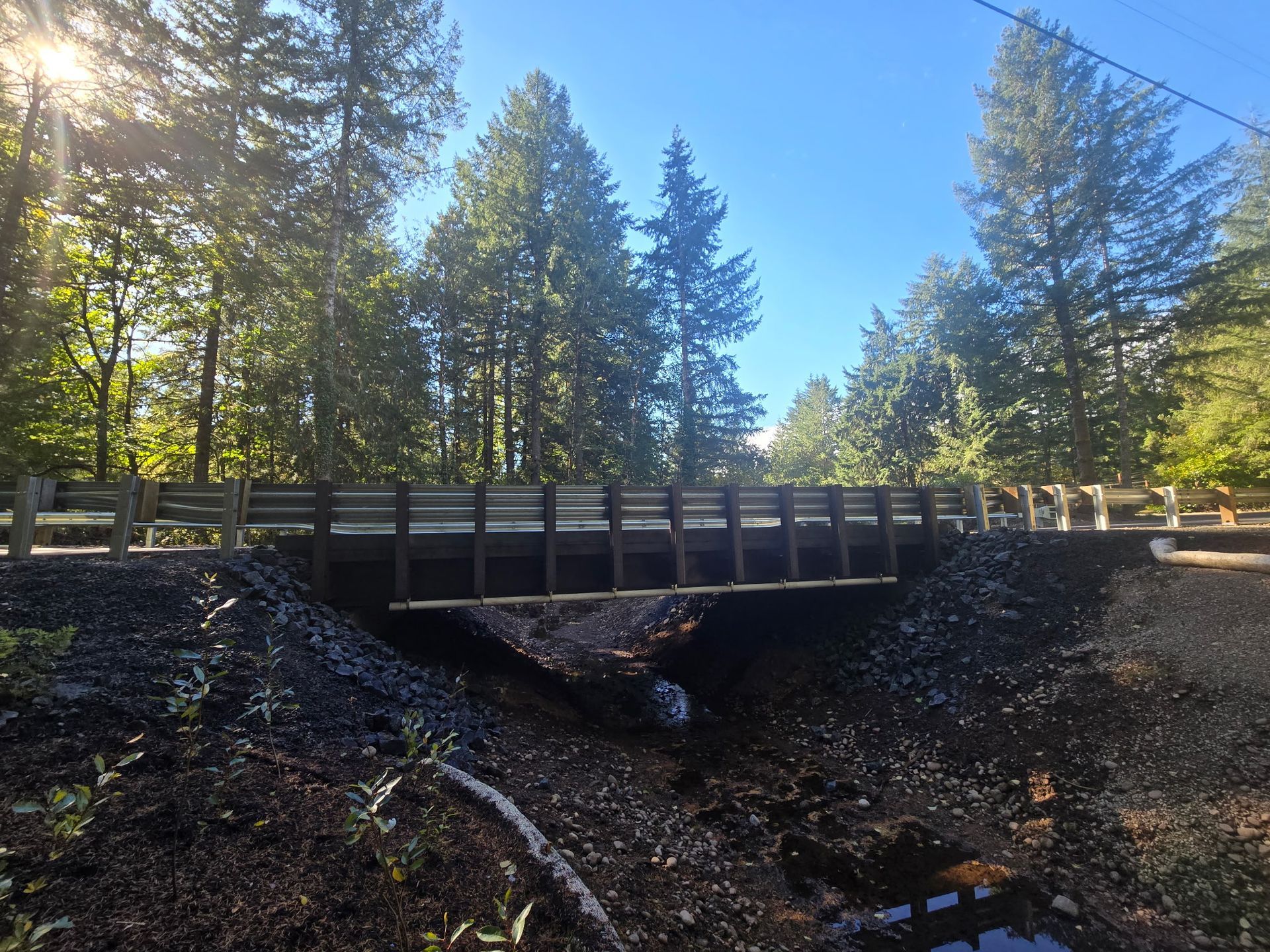
A bridge spans across Thompson Creek Rd in SE Thurston County, surrounded by trees.

Shawn Dr SW Bridge Fish Passage 

This project on Shawn Dr SW replaced a 3-foot diameter culvert, which was blocking fish migration upstream for spawning, with a 33-foot bridge. Removing this culvert opened 0.75 miles of salmon habitat for future generations to thrive. The project was funded by county Real Estate Excise Taxes, a Department of Ecology Streamflow Restoration grant, and the Recreation and Conservation Office’s Salmon Recovery Funding Board grant. 

A road hangs over two culverts with sediment fill washed out. A Thurston County staff member stands in the background during the site visit.

A bridge is set over an empty streambank with vegetation sprouting below and trees in the background.

Roundabouts

Traffic volume increases as Thurston County's population grows. A safe and healthy approach is to build roundabouts at high-volume intersections. 

Marvin Rd Upgrade Phase 1

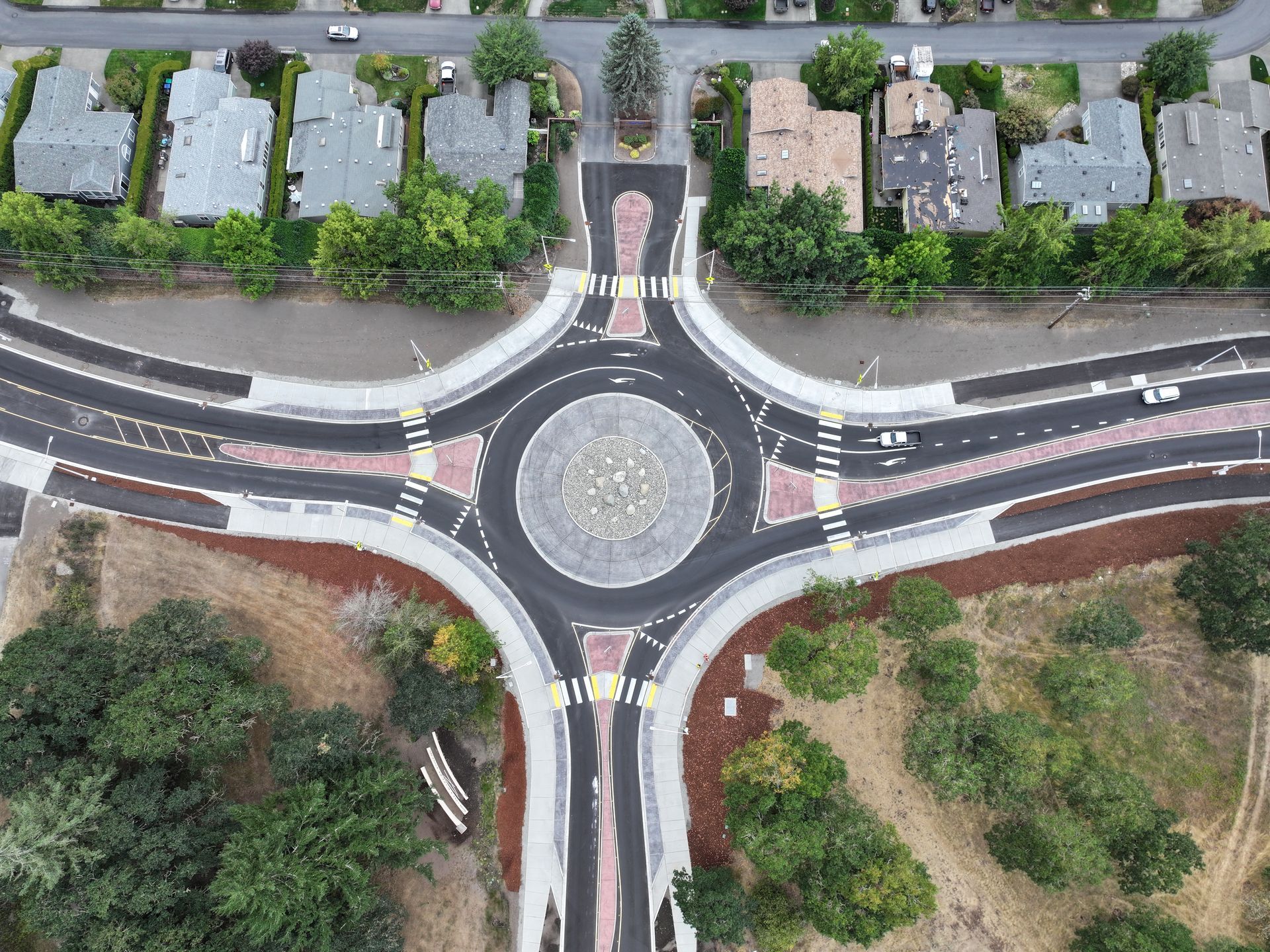
22nd Ave to Union Mills Rd - This project makes Marvin Rd safer and more convenient for drivers, pedestrians, and cyclists by constructing a single-lane roundabout at 19th Ave and installing 10-foot-wide shared-use paths on both sides of the street. Street lighting and protected flashing crosswalks enhance safety during crossings. The project also introduced new stormwater systems to capture and treat runoff and supports future development in Hawks Prairie east of I-5.

A road intersection is shown depicting a turn lane and a stop sign. A car is shown driving down the road, surrounded by a residential area and trees.

A newly completed roundabout is shown from an aerial view, surrounded by a residential development, woodlands, and grasslands. 

Johnson Point and Hawks Prairie Rd Intersection Improvement

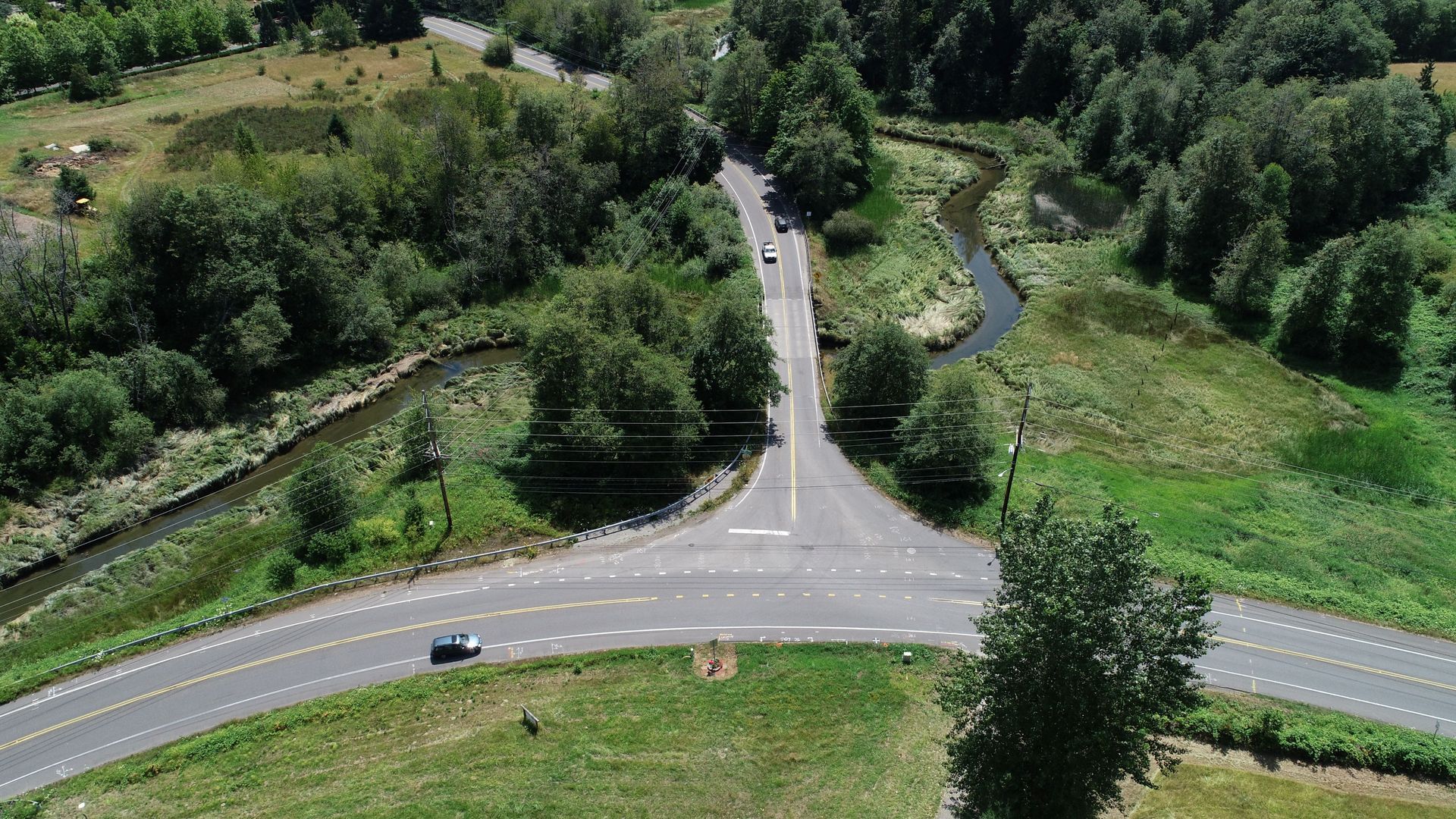
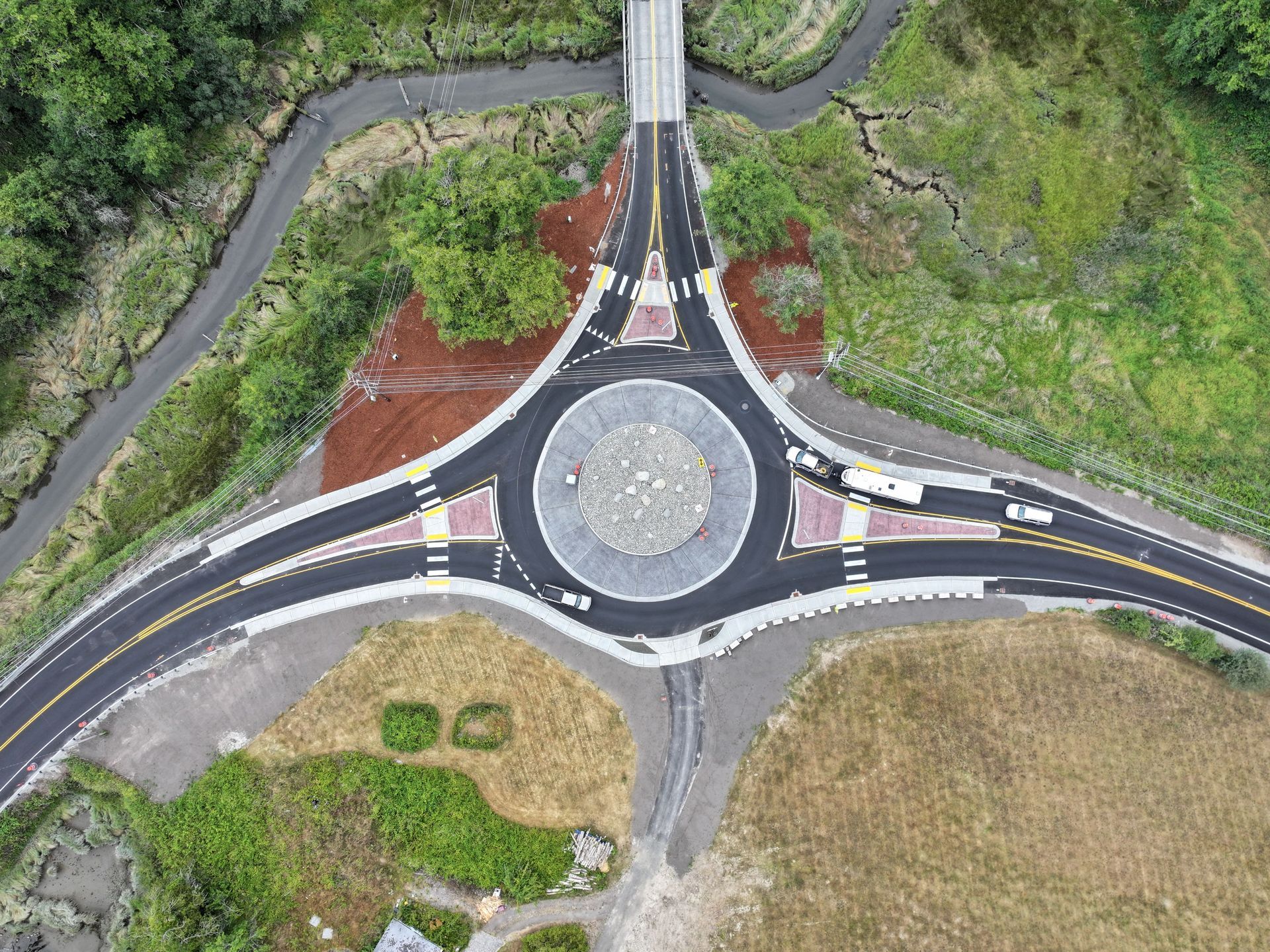
This project built a new single-lane roundabout at the intersection of Johnson Point Road and Hawks Prairie Road. It also includes wider shoulders, new street lighting, and stormwater collection and treatment. These updates improve safety and traffic flow by slowing vehicles, reducing conflict points, and making it easier for drivers, pedestrians, and bicyclists to navigate the intersection.

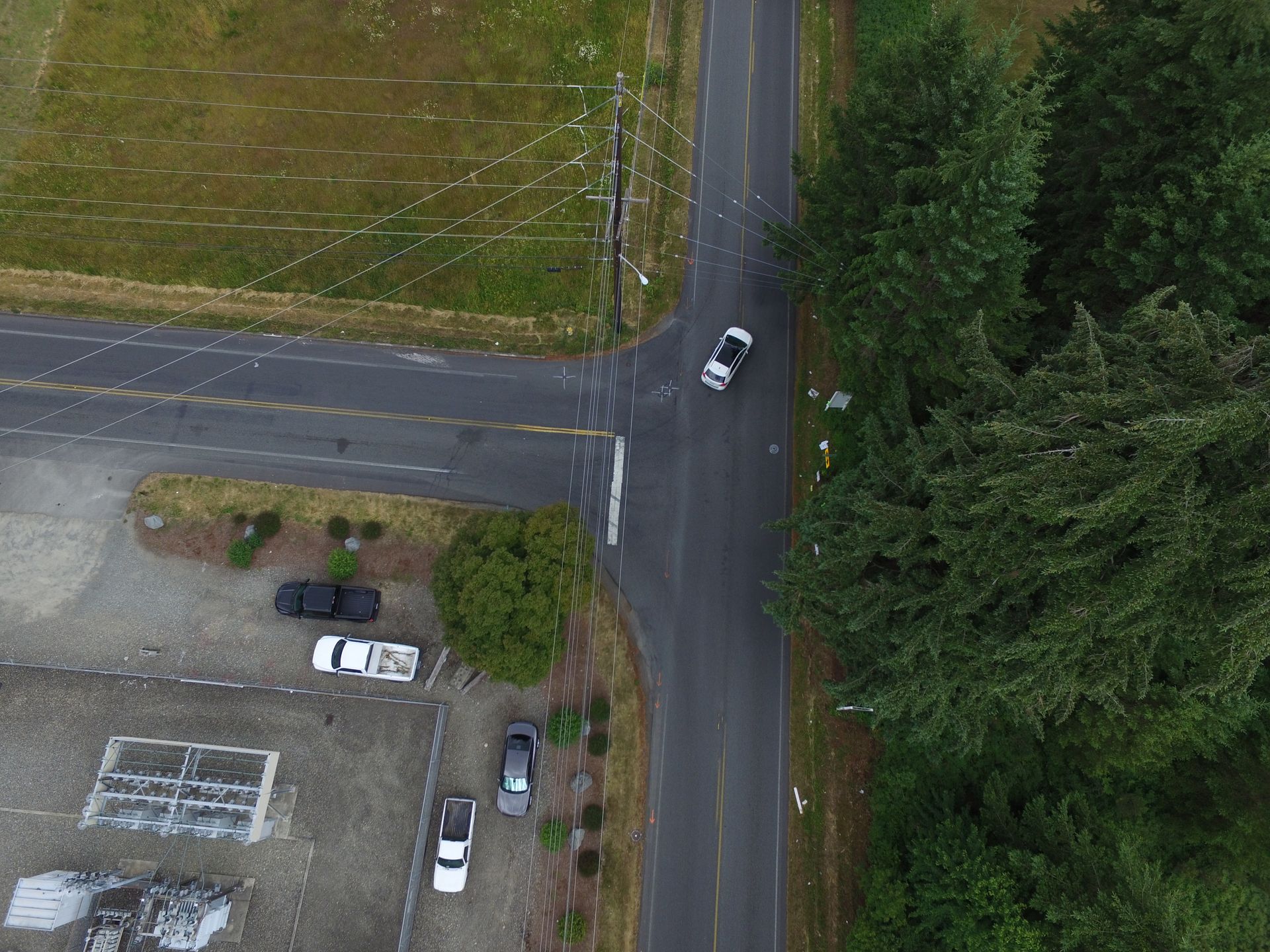
An aerial photo shows an intersection where three roads meet, surrounded by woodlands. A creek cuts under one of the roads.

An aerial photo shows a newly completed roundabout, surrounded by a creek to the North and grasslands on the other sides. A few vehicles are shown making their way through the intersection.

Marvin Rd Upgrade Phase 2

Marvin Rd and Mullen Rd Intersection - This developer-led project enhances safety and mobility at the Marvin Rd and Mullen Rd intersection with a new single-lane roundabout. It features new street lighting, protected flashing crosswalks, and upgraded stormwater collection and treatment. Like Phase 1, this stage of the Marvin Rd Upgrade facilitates further development in Hawks Prairie east of I-5.

A road intersection is shown depicting a turn lane and a stop sign. A car is shown driving down the road, surrounded by a residential area and trees.

A newly completed roundabout is shown from an aerial view, surrounded by a residential development, woodlands, and grasslands. 

Traffic Calming Projects

Traffic calming uses a variety of design features and other strategies to gently guide driver behavior on the road.

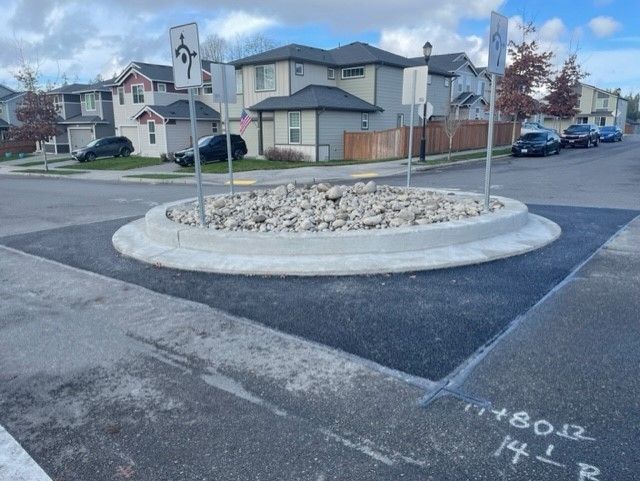
Traffic calming helps reduce speeding and unsafe driving by influencing driver behavior and, when necessary, modifying the roadway environment. In 2025, our Traffic Engineering team worked with three neighborhoods on traffic calming projects: Ridgeview installed a traffic circle; Cantergrove added a traffic circle, five speed humps, and a raised crosswalk; and Wilderness installed 20 speed humps. These projects were completed in collaboration with contractors and Public Works Road Operations crews. Using various tools and traffic-calming devices allows our team to create safer streets in neighborhoods through customized solutions.

A newly installed traffic circle is pictured nestled near a housing development. Cars are parked on the street nearby.

Thurston County Safety Action Plan

Public Works created long term roadmap for improving county roads.


This year, Public Works finished the Thurston County Safety Action Plan with funding from the federal Safe Streets and Roads for All grant. The plan combines data, community input, and best practices to better understand where and why serious crashes happen on county roads. It sets clear priorities and actionable steps to reduce crashes and traffic deaths, focusing on those most affected: drivers, pedestrians, and bicyclists. By emphasizing safety for everyday travel and shared responsibility, the plan offers a way to make county roads safer, more predictable, and accessible for everyone who uses them.

Need caption.

Pavement Preservation

In 2025, Public Works completed two important projects as part of our ongoing Pavement Preservation Program. Following Federal Highway Administration best practices, these upgrades help extend the life of our roads and make the most of REET2 and AARPA funds.

183rd Ave SW and Old Highway 99 SW

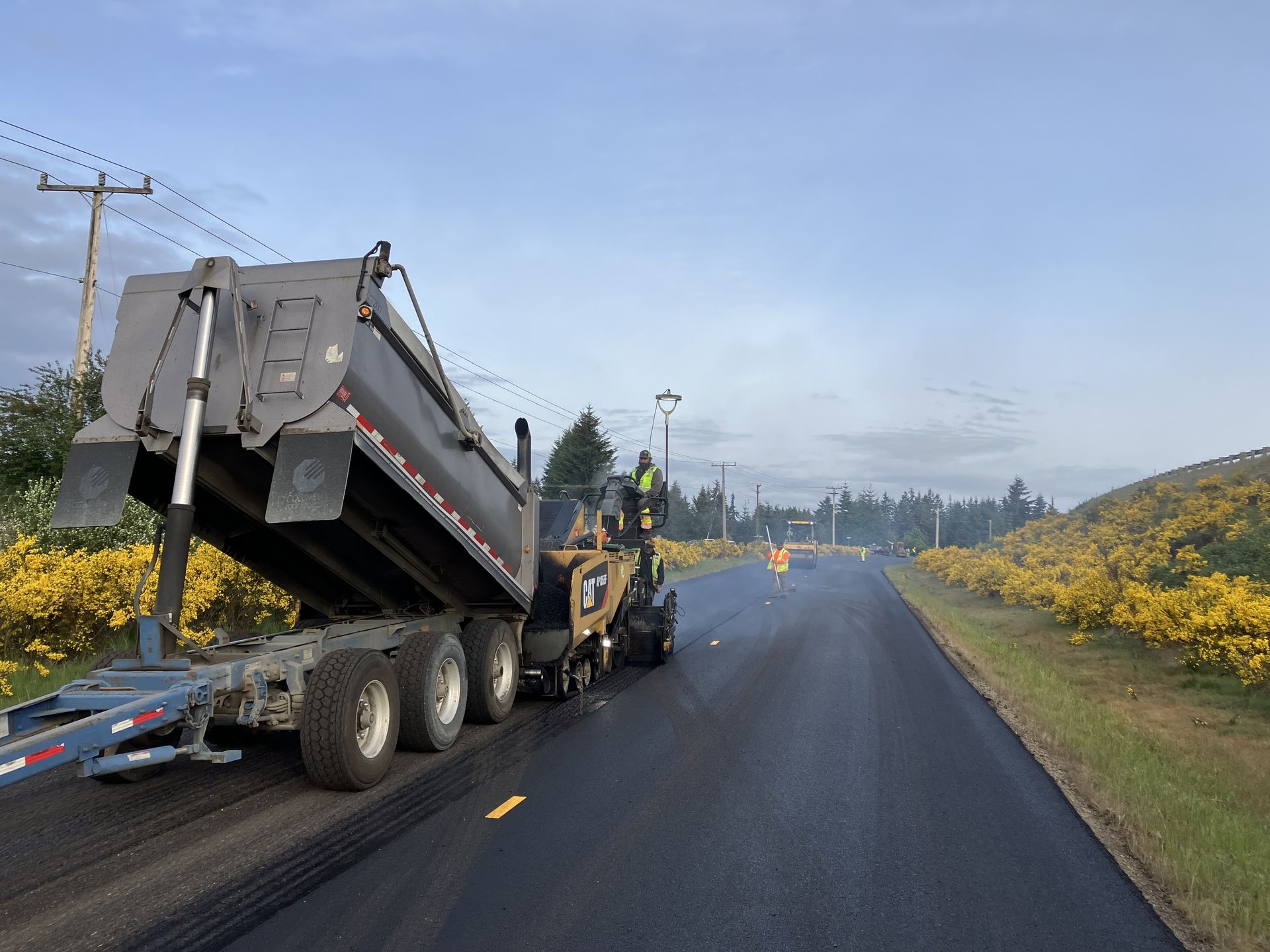
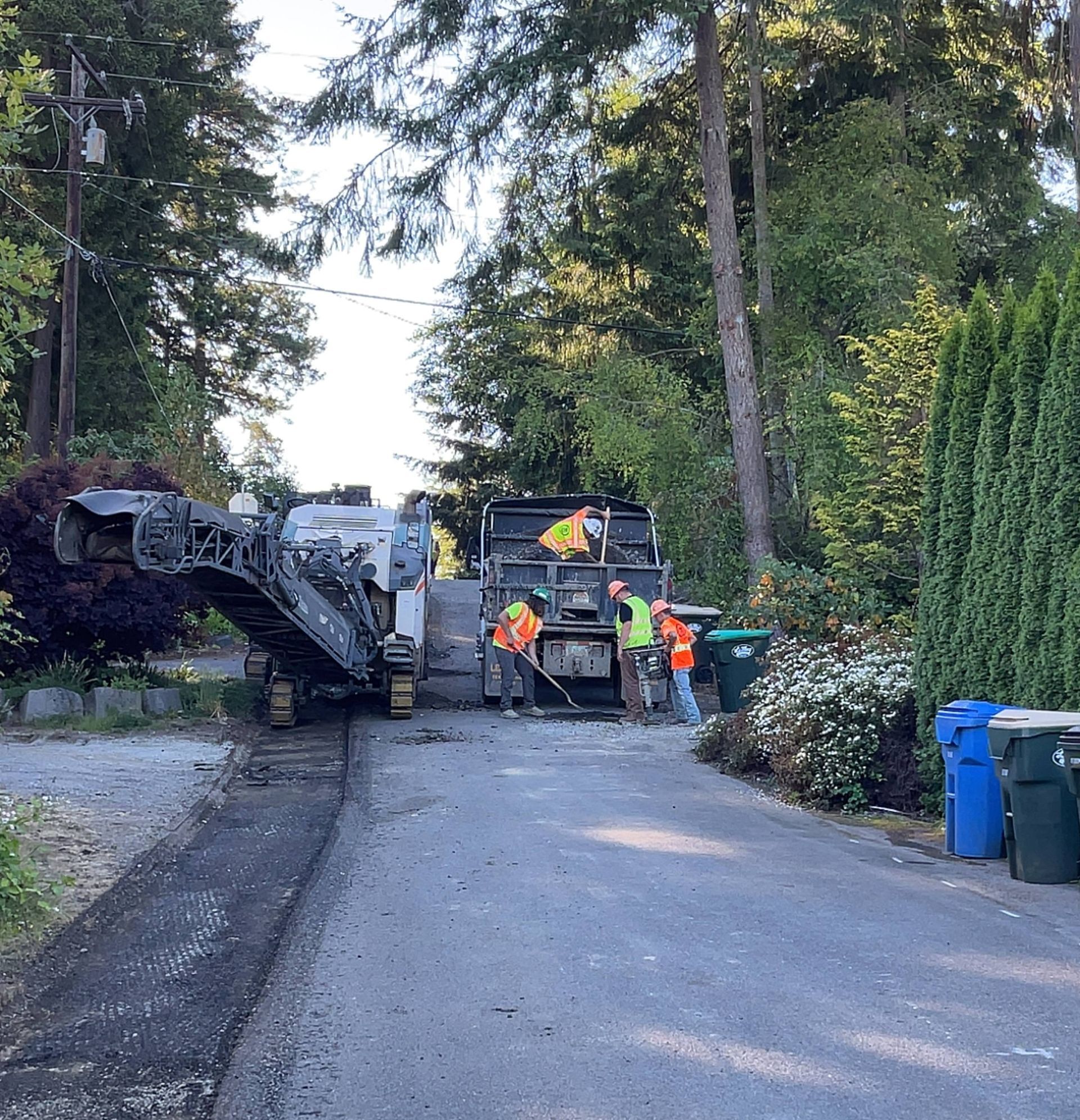
Crews repaved sections of 183rd Ave SW and Old Highway 99 SW using fiber-reinforced asphalt, a stronger, more durable material. By grinding off the worn top layer and replacing it, we extended the service life of these heavily used roads by over 15 years.

Need caption.

Old Highway 9 – Grand Mound 

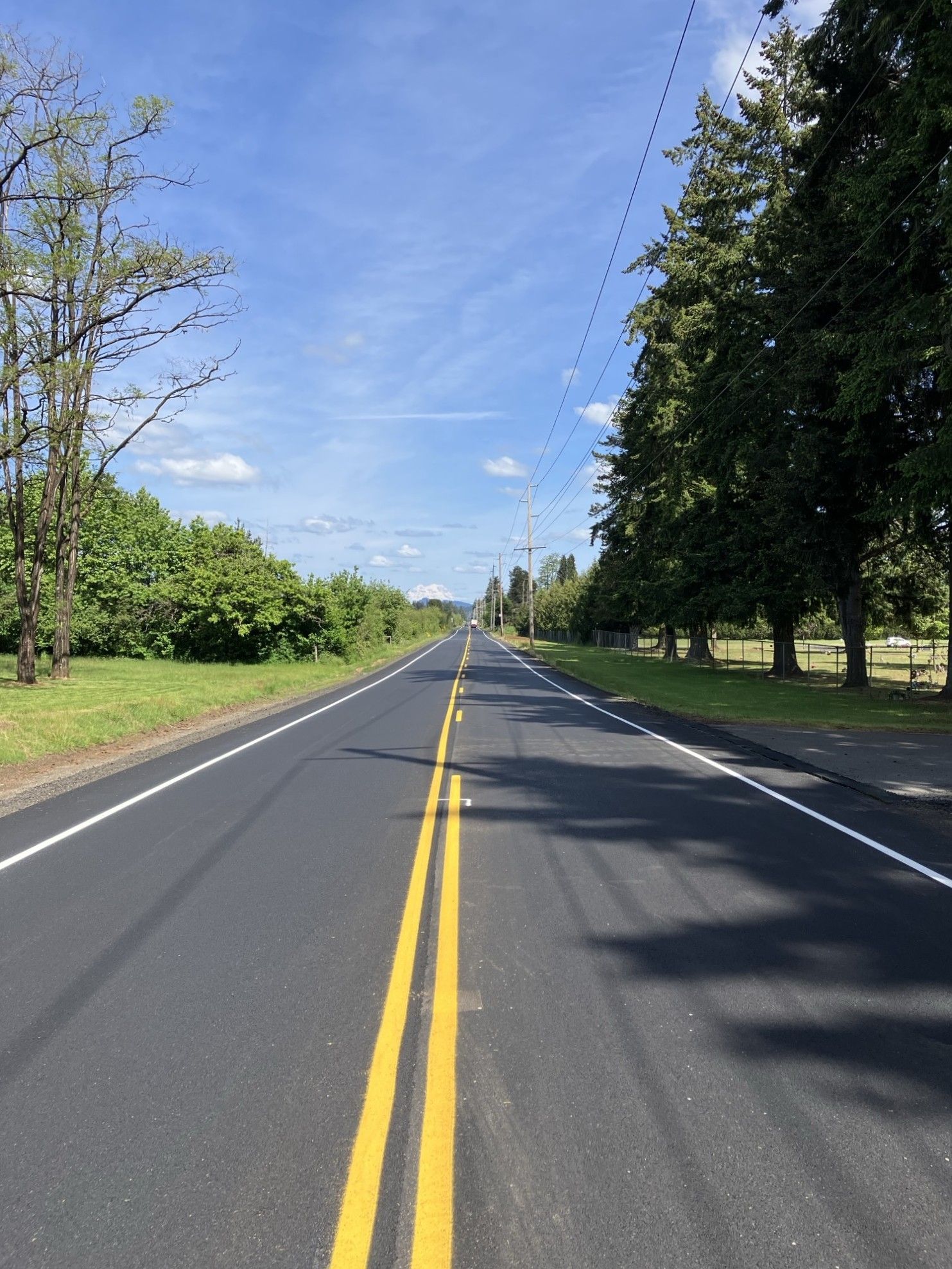
A mile-long section of Old Highway 9 near Grand Mound received a fresh layer of hot-mix asphalt. While the striping and layout stayed the same, the smooth new surface provides a safer, more comfortable drive and extends the roadway's service life by more than 15 years.

Need caption.

Safe Routes to Schools Program

This program improves safety and mobility for children by supporting and inspiring them to walk or bike to school, creating a healthy and enjoyable journey.

In 2025, Public Works completed safety upgrades near Pleasant Glade Elementary School through the Safe Routes to School Program. The project added a new sidewalk and bike lane along Abernathy Rd NE from 15th Ave NE to 20th Way NE, along with ADA-accessible curb ramps, improved drainage, and new lighting. These improvements make it safer and easier for students and neighbors to walk or bike to school. Funding came from the Safe Routes to School grant program and Washington’s Climate Commitment Act.

A road intersection is shown depicting a turn lane and a stop sign. A car is shown driving down the road, surrounded by a residential area and trees.

A newly completed roundabout is shown from an aerial view, surrounded by a residential development, woodlands, and grasslands. 

ADA Program

The ADA program increases accessibility by upgrading sidewalks, curb ramps, and pedestrian crossings.

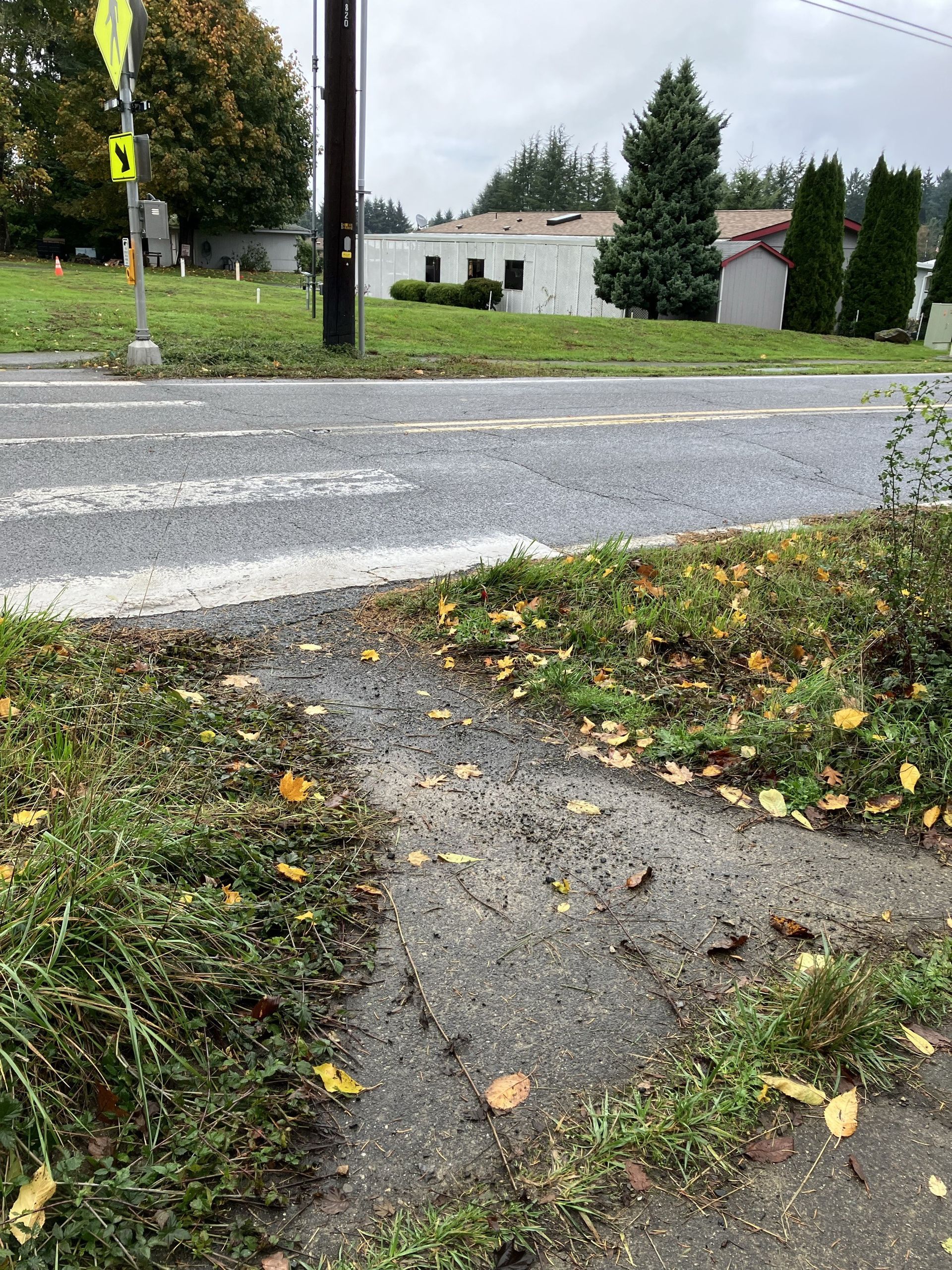
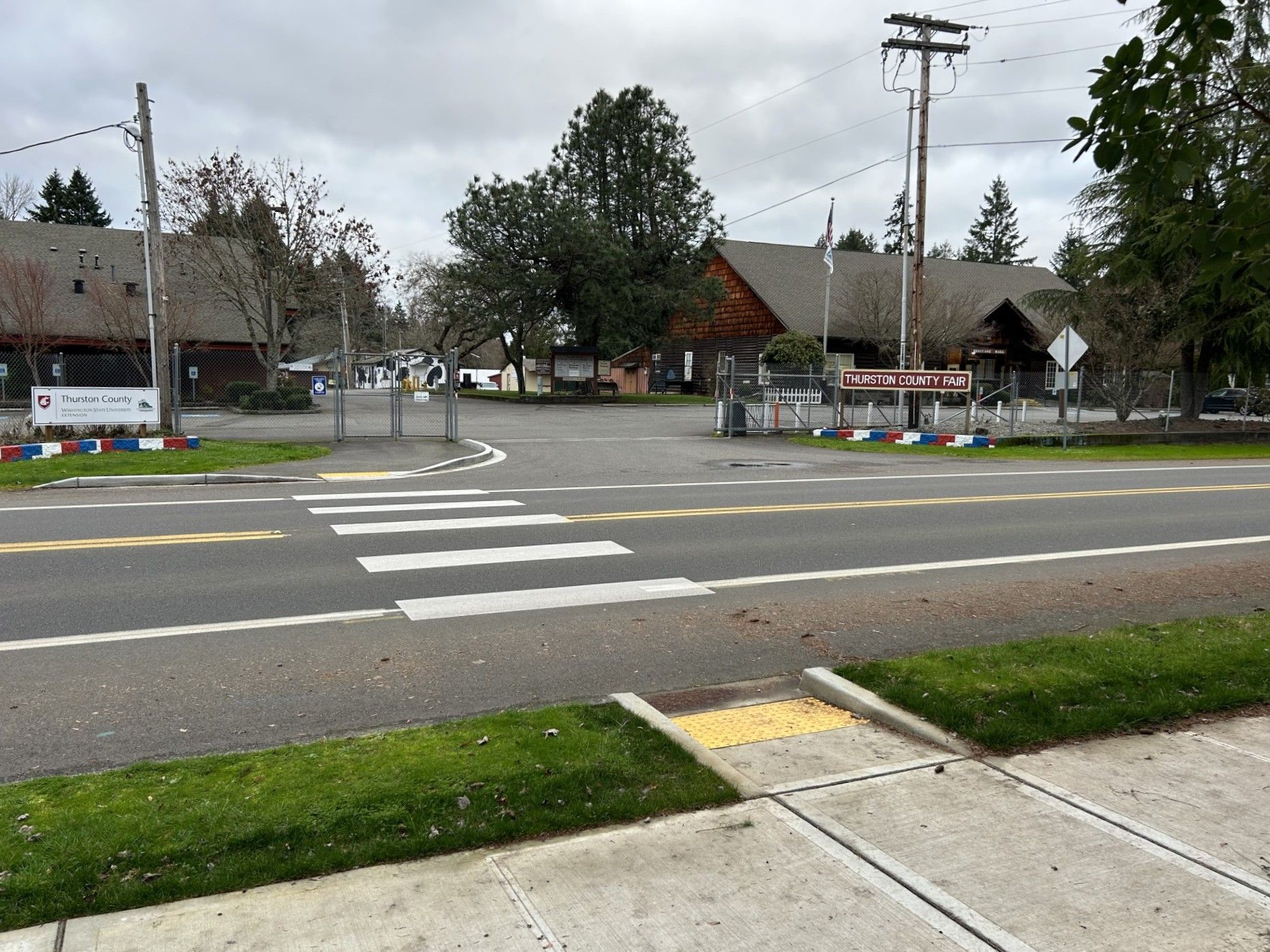
Public Works made progress toward a more accessible transportation system through its Americans with Disabilities Act (ADA) program and new ADA Transition Plan. This countywide plan identifies barriers in the pedestrian network, such as missing curb ramps or uneven sidewalks, and sets goals to address them. One significant project this year was a crosswalk upgrade at the Thurston County Fairgrounds, supported by a grant from the Accessible Communities Advisory Committee. The project added a new ADA ramp on the church side of Carpenter Road and improved the curb and gutter on the fairgrounds side, making the crossing safer and easier for people using mobility devices, strollers, or wheelchairs.

Need caption.


Road Operations

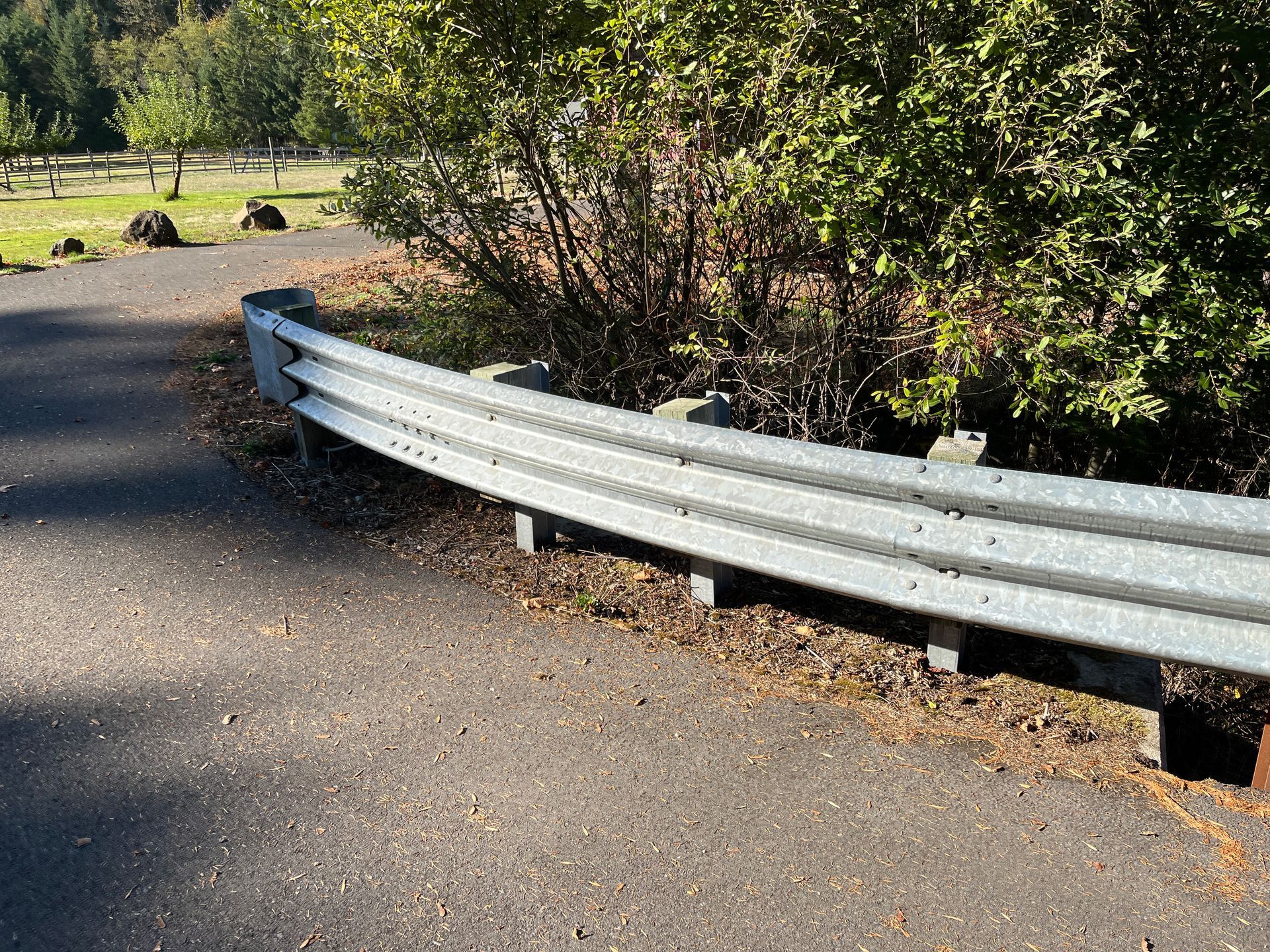
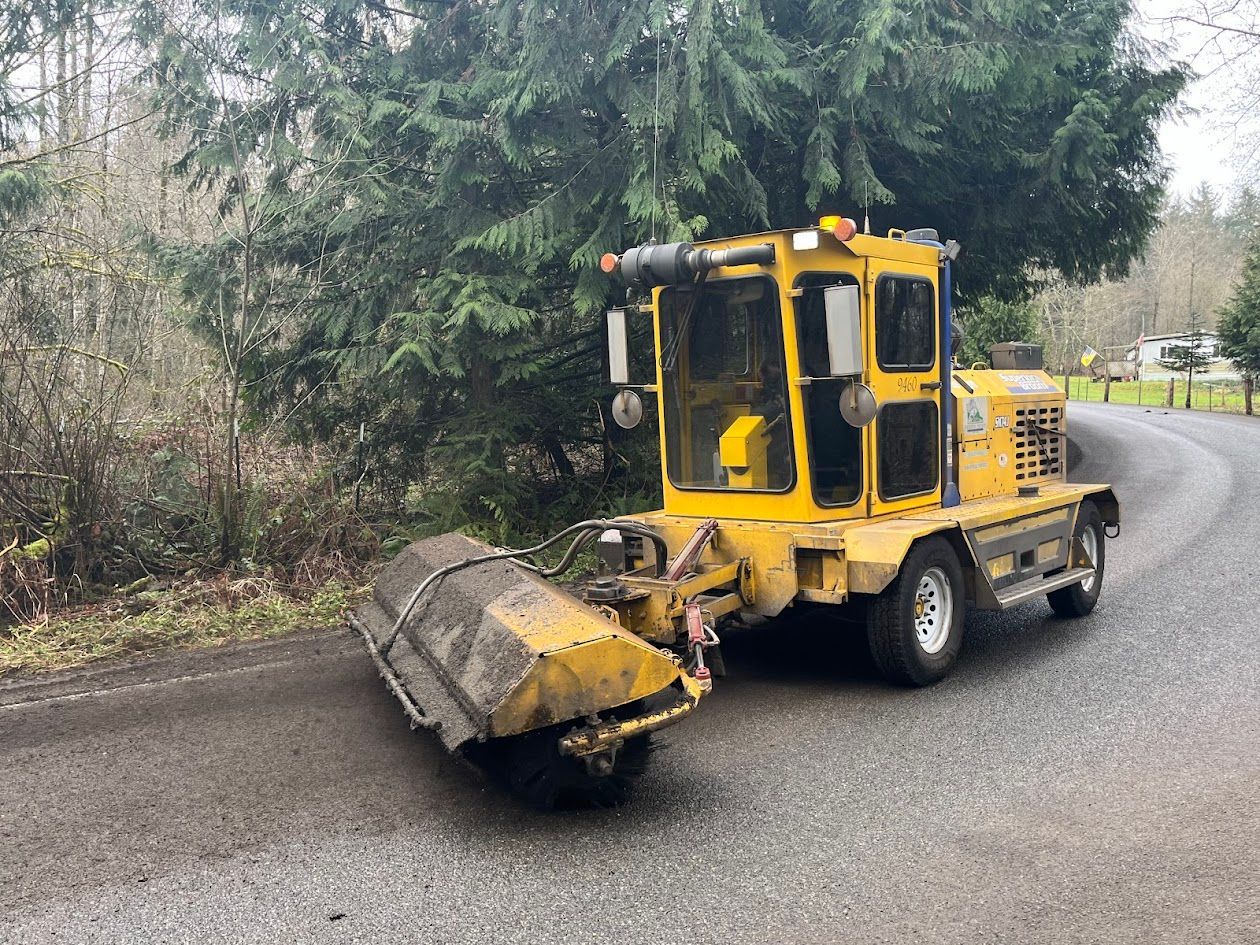
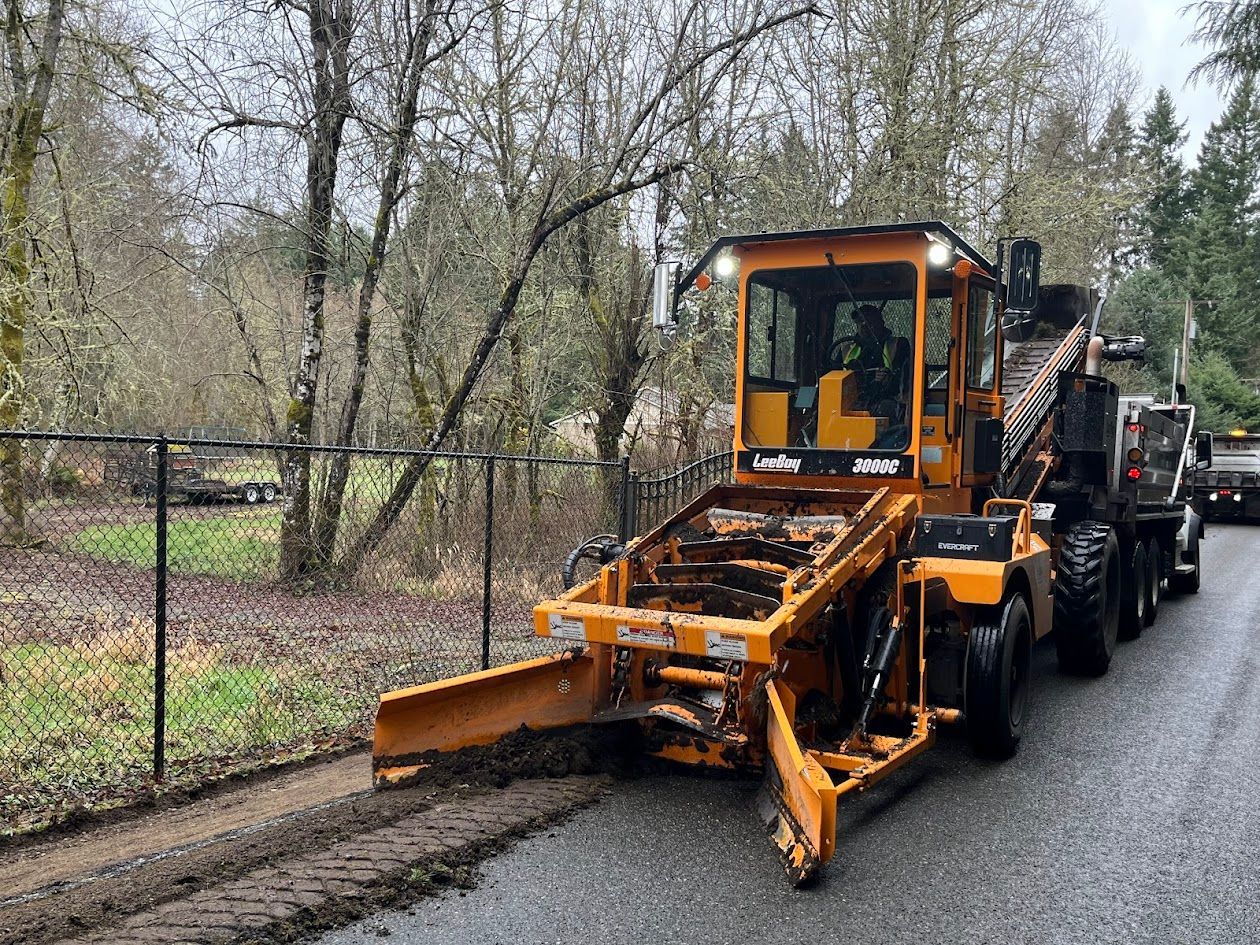
The largest division within Public Works, Road Operations, is responsible for maintaining the county’s transportation network safe and operational year-round. Crews service county roads, clear fallen debris, mow roadsides, and respond to emergencies such as snow and ice during severe weather. They also repair, upgrade, and clean the county’s drainage systems. Road Operations manages 1,027 miles of roadway, 143 bridges, 28 miles of guardrail, and over 100 miles of sidewalks annually.
  • Slide title

    Write your caption here
    Button
  • Slide title

    Write your caption here
    Button
  • Slide title

    Write your caption here
    Button
  • Slide title

    Write your caption here
    Button
  • Slide title

    Write your caption here
    Button

Work Groups

Drainage

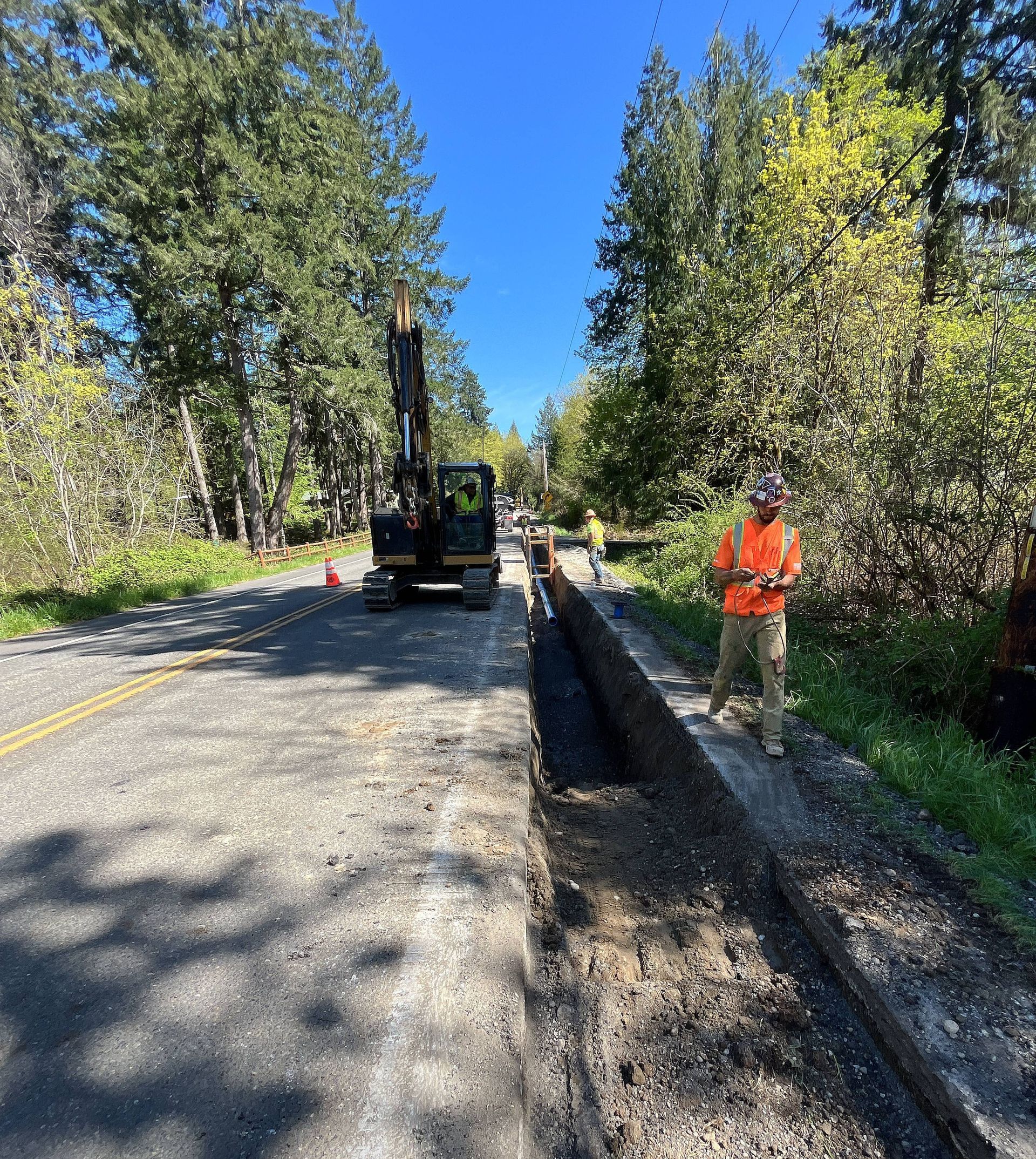
The Drainage work group maintains drainage ditches and repairs or installs catch basins and culverts. The team removes sediment, trash, and debris and performs repairs to keep drainage structures in good condition and ensure the county’s stormwater systems work effectively.

Roadway

The Roadway work group maintains and repairs county roads, including fixing potholes and cracked pavement. The team manages annual preservation projects to keep roads safe and drivable.

The National Pollutant Discharge Elimination System (NPDES)

The NPDES work group maintains the stormwater conveyance system along county roads. They ensure compliance with the Western Washington Phase II Municipal Stormwater Permit by cleaning catch basins, culverts, and roads to reduce flooding and prevent pollutants from entering county waterways.

Roadside

The Roadside work group maintains all county-owned guardrails and manages the plants and brush along county roads, bridges, and stormwater areas. This includes mowing and weed-eating road shoulders and slopes, as well as clearing overgrown vegetation to keep roads and sidewalks accessible and ensure drivers have clear visibility for safe travel.

Parks and Trails

The Parks & Trails work group maintains facilities and grounds to ensure that our parks and trails are safe, clean, and accessible for residents and visitors. The team also collaborates with community organizations and individuals to promote environmental education, restoration, and preservation.

By the Numbers

11.32

Lane miles of roadway repaved

17

Total Roads & Transportation Active Projects

2900

Lane miles of roadway swept

536

Number of catch basins cleaned

6800

Feet of drainage pipe cleaned

1000

Feet of culvert pipe installed

13,384

Tons of asphalt placed

2,249

Service requests received

390,221

Gallons of brine applied

2289

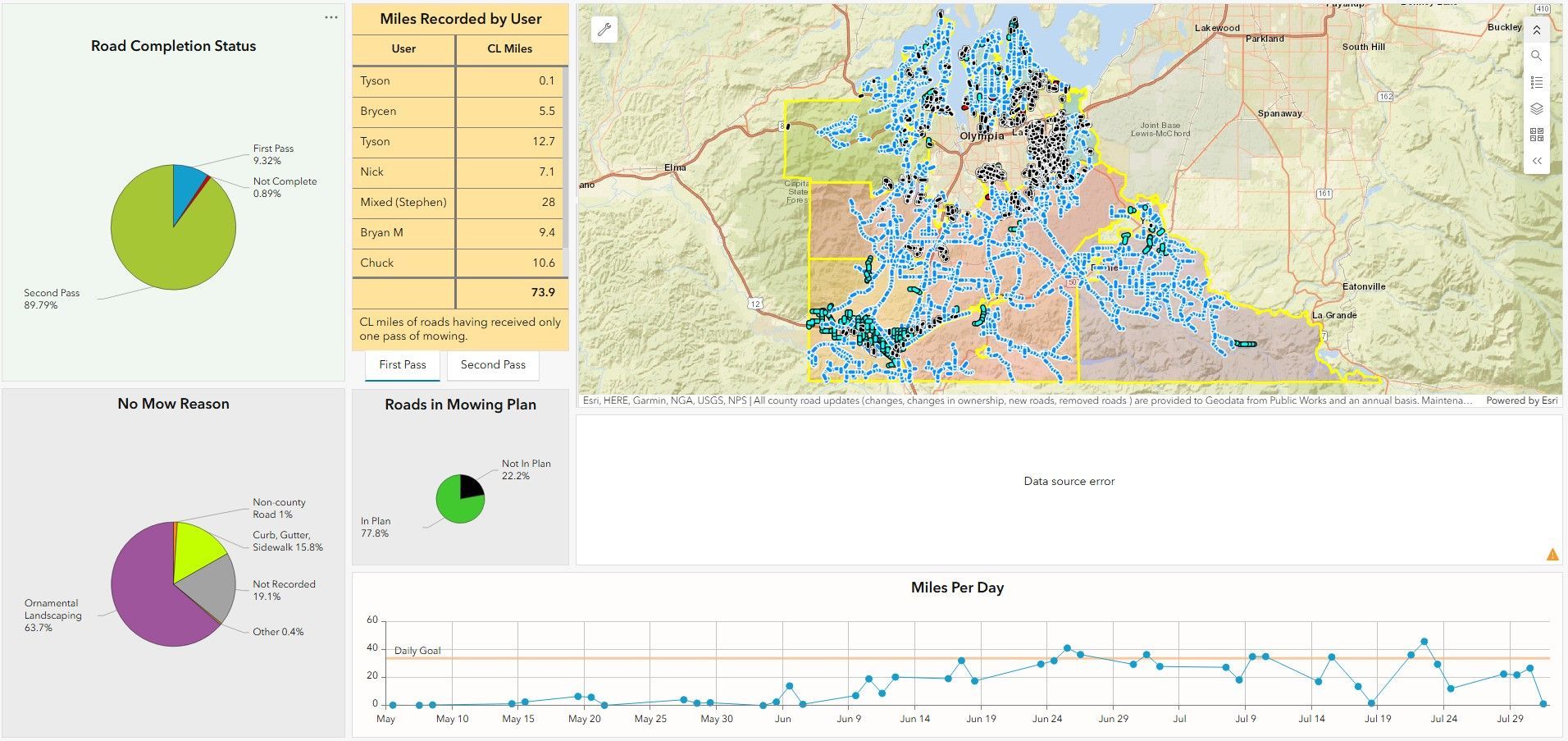
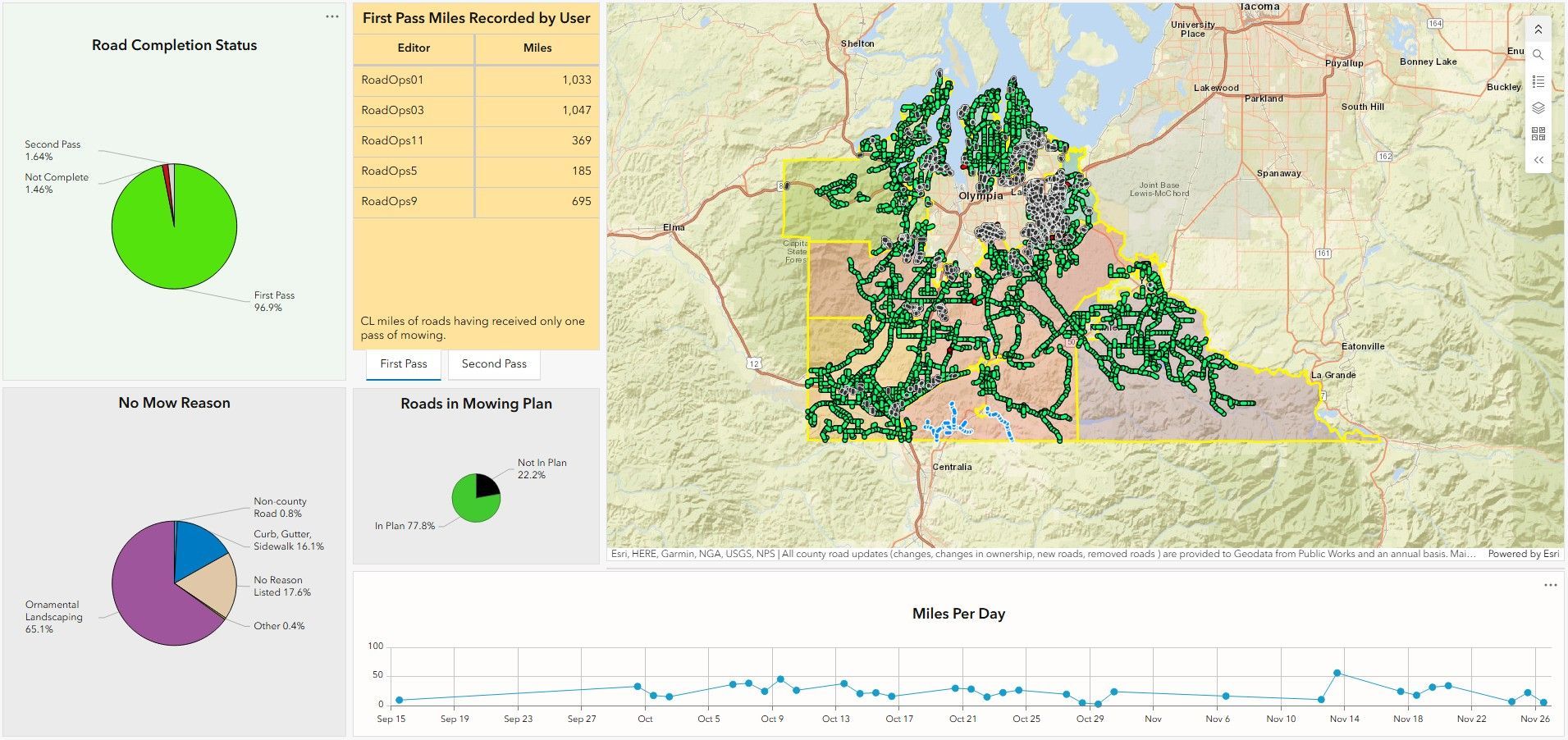
Centerline miles of shoulder mowed

3407

Number of pothole repairs

280

Dead animals cleared

Project Highlights

Equipment Certification Training Program 

Thurston County is committed to creating skilled, confident equipment operators, as they are essential to daily operations and field safety. 

Public Works created a new Equipment Training Certification Program that provides an equitable, hands-on learning experience for staff. The program emphasizes safety, routine maintenance, and correct equipment use. In 2025, 141 certifications were achieved through strong teamwork between seasoned and new operators. This program helps develop internal talent and supports the growth of a skilled local workforce prepared to meet the county’s long-term operational demands.


Need photo and caption.

Commercial Driver’s License (CDL) Pilot Program

Investing in Road Operations staff development helps build a stronger, more skilled workforce. 

The CDL Pilot Program allows eligible employees to earn their CDL while maintaining their full-time jobs. Public Works covers training and testing costs, creating new career opportunities. By developing CDL-qualified staff internally, the program supports long-term staffing needs and helps ensure the county has a reliable, local workforce ready for transportation roles.

Need photo and caption.

American Public Works Association’s (APWA) Annual Equipment ROADeo 

Each year, Public Works gets a chance to showcase operator skill and professionalism.

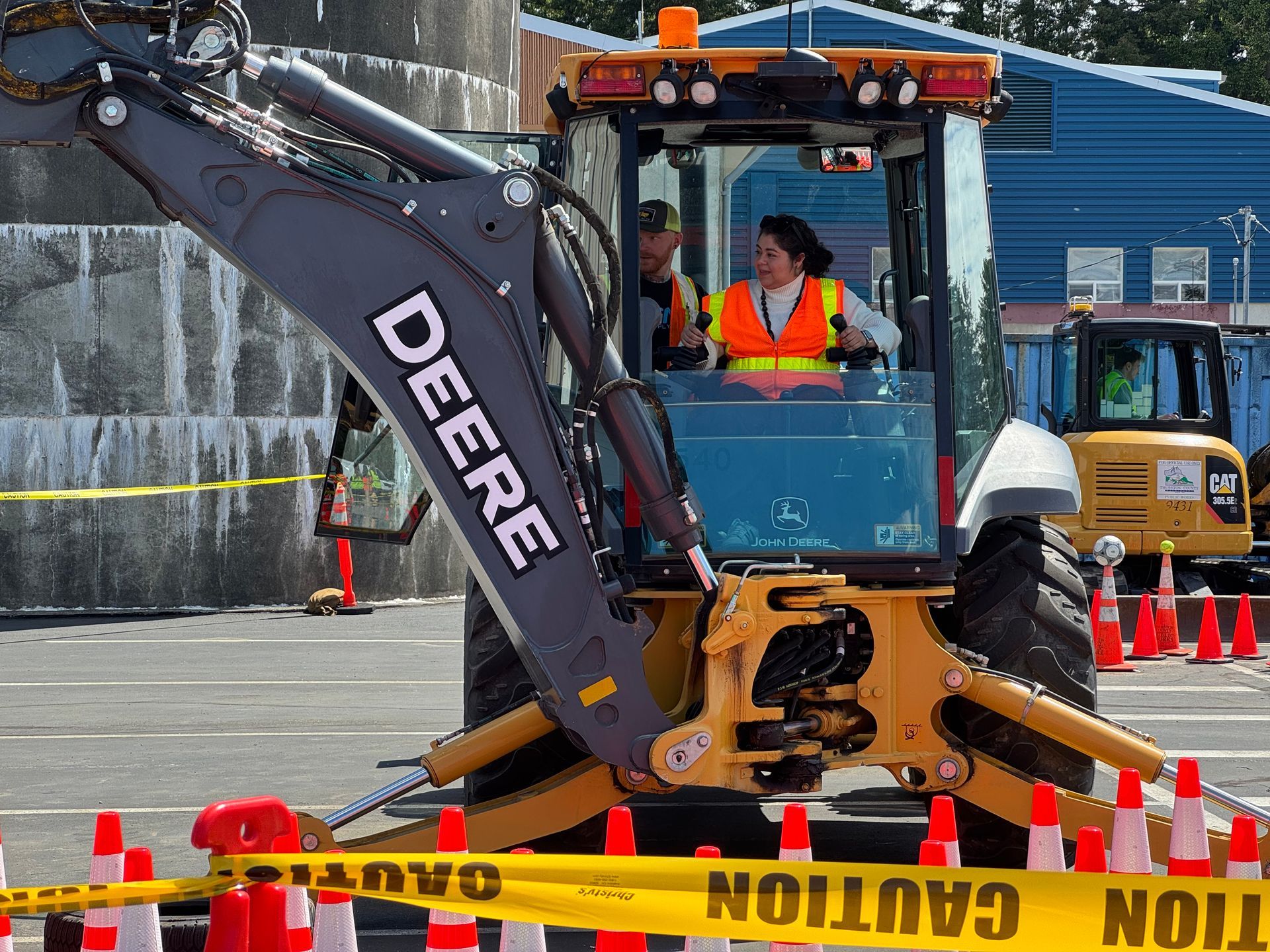
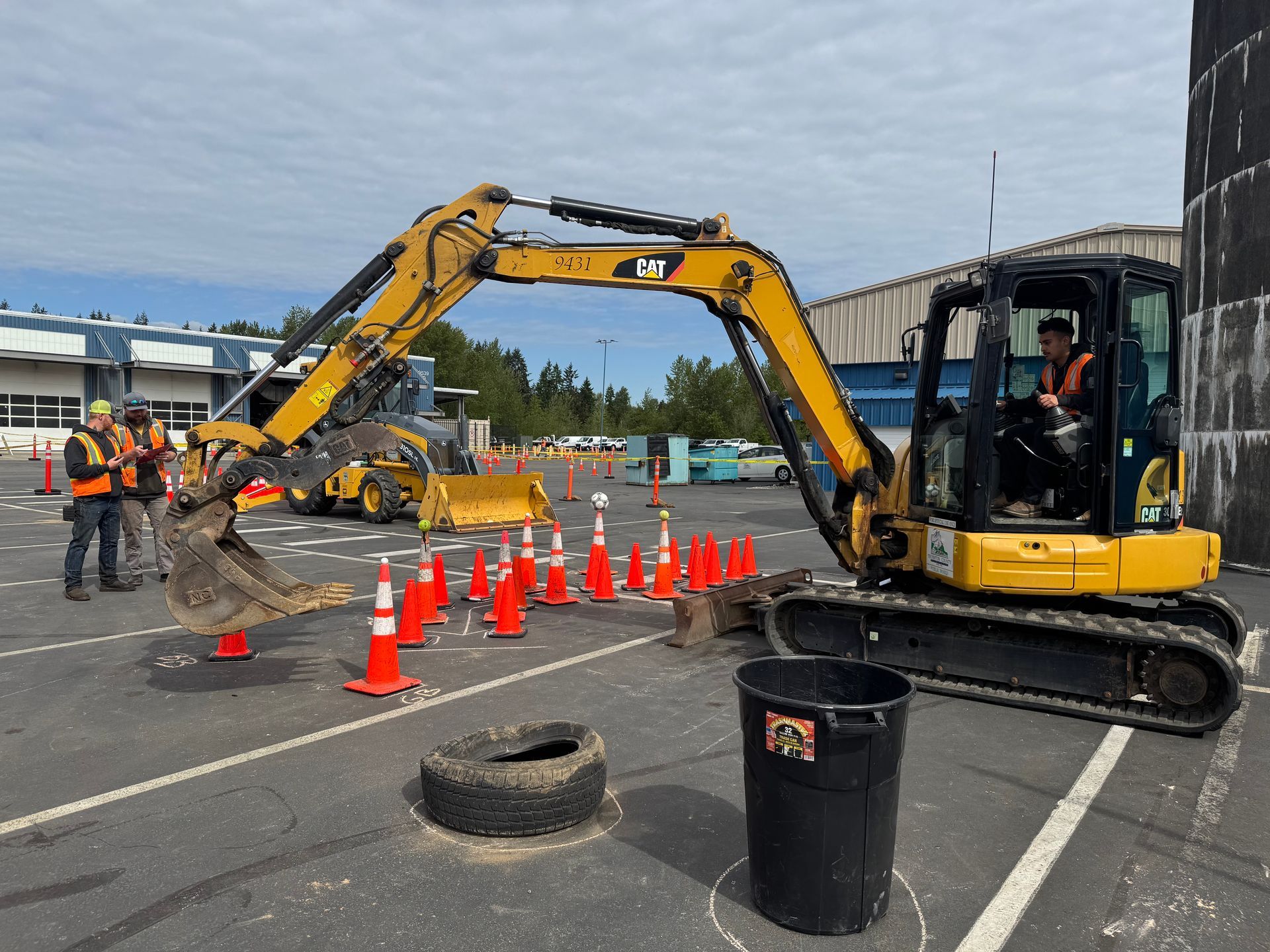
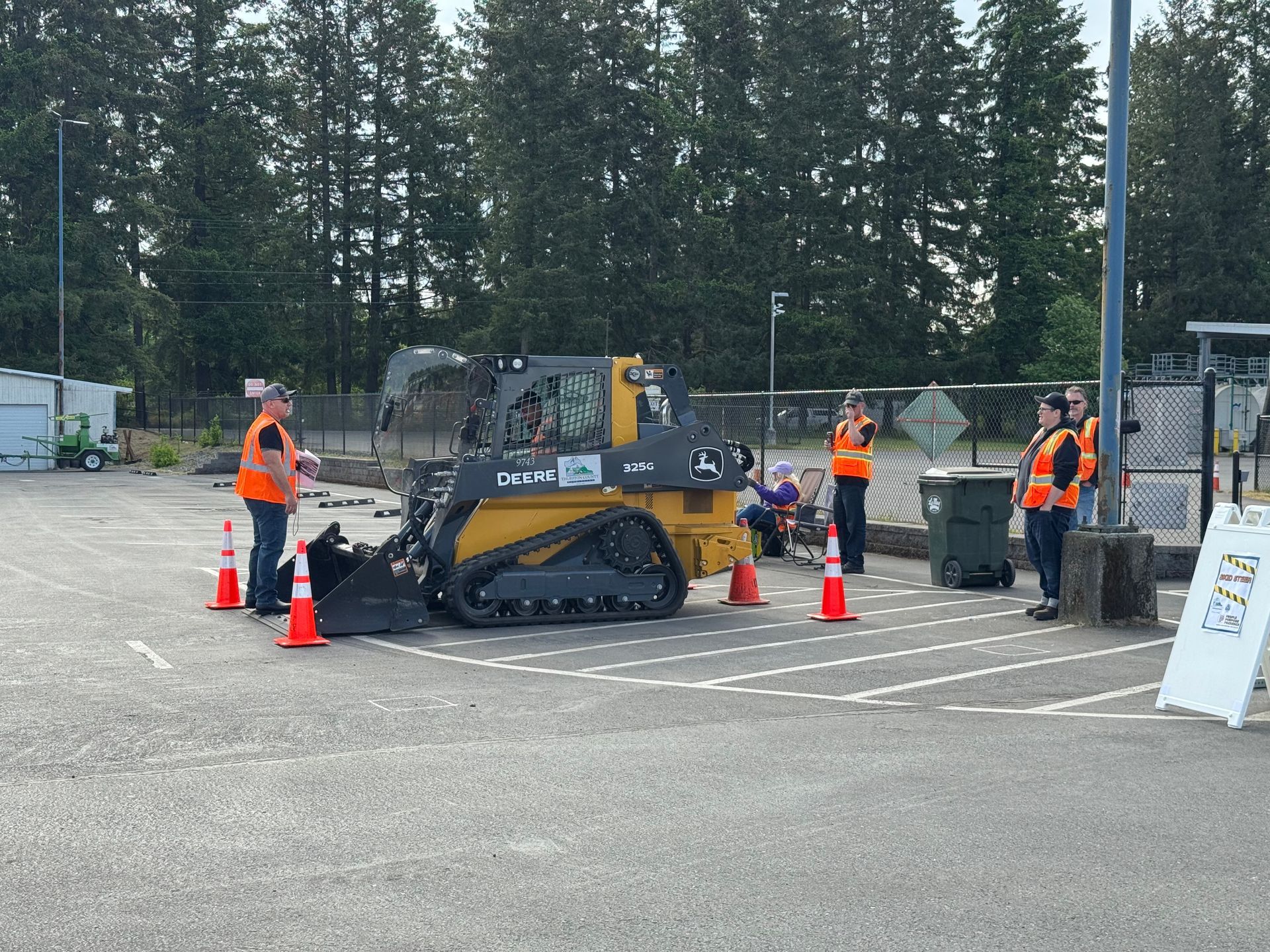
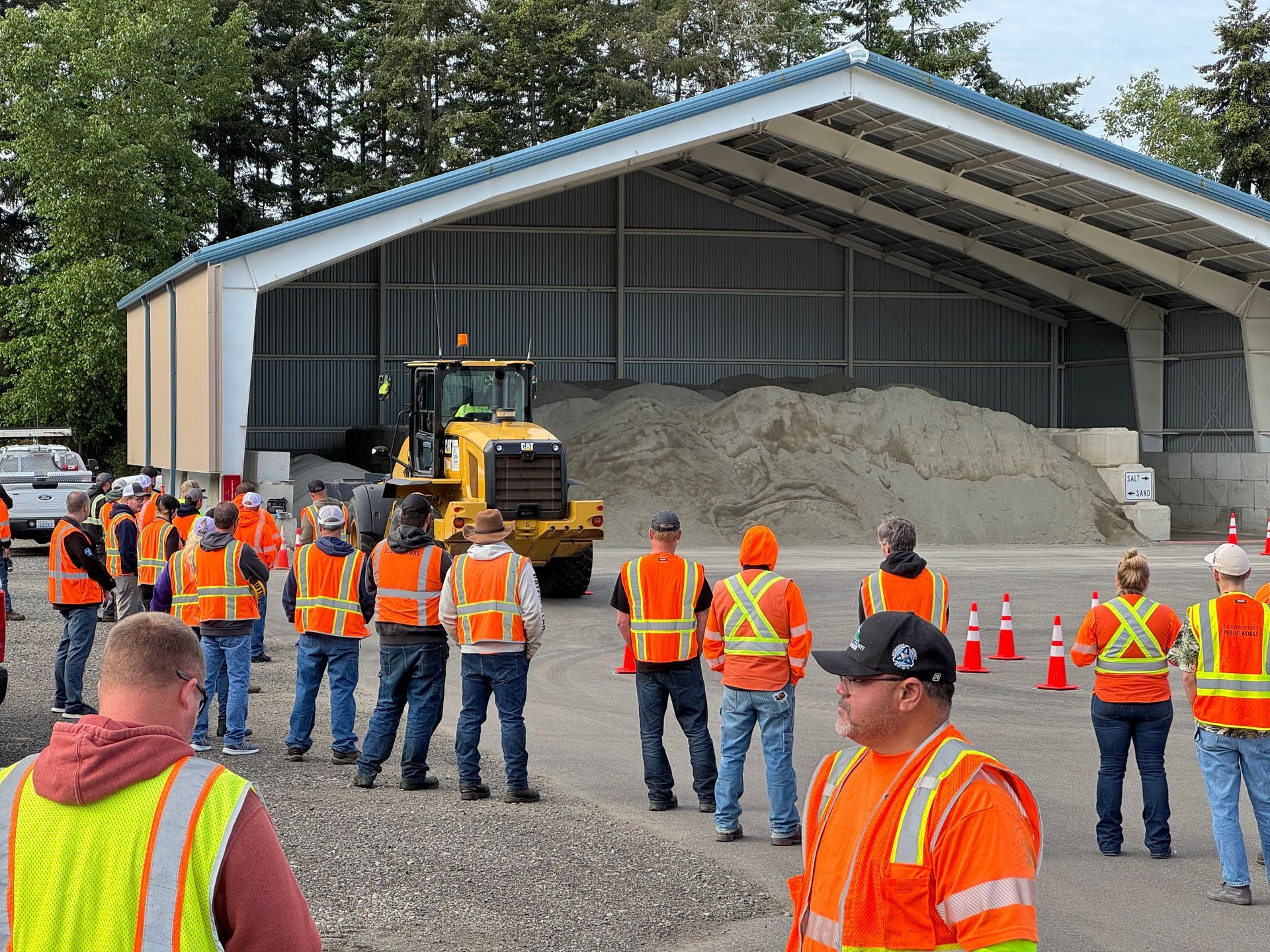
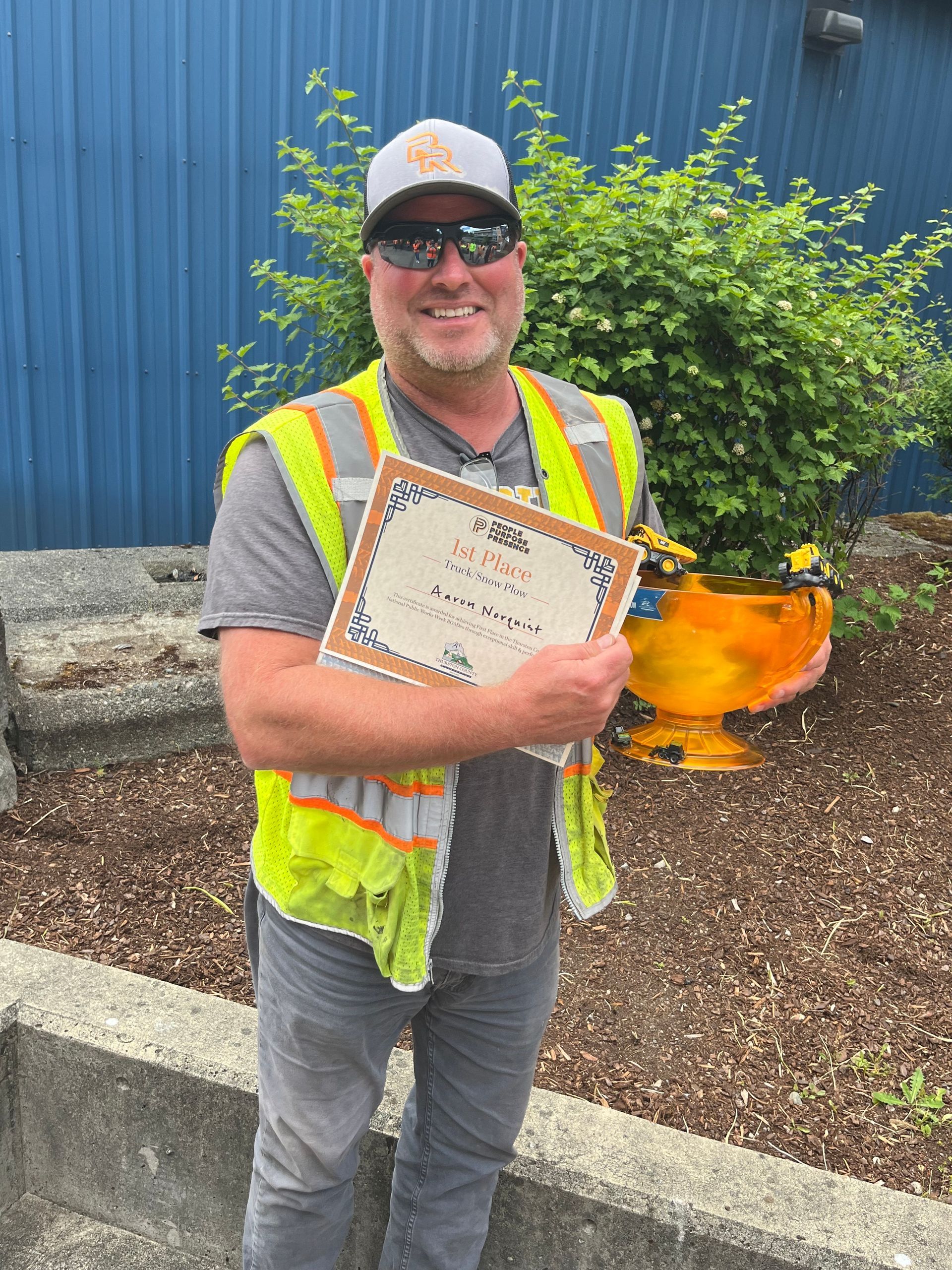
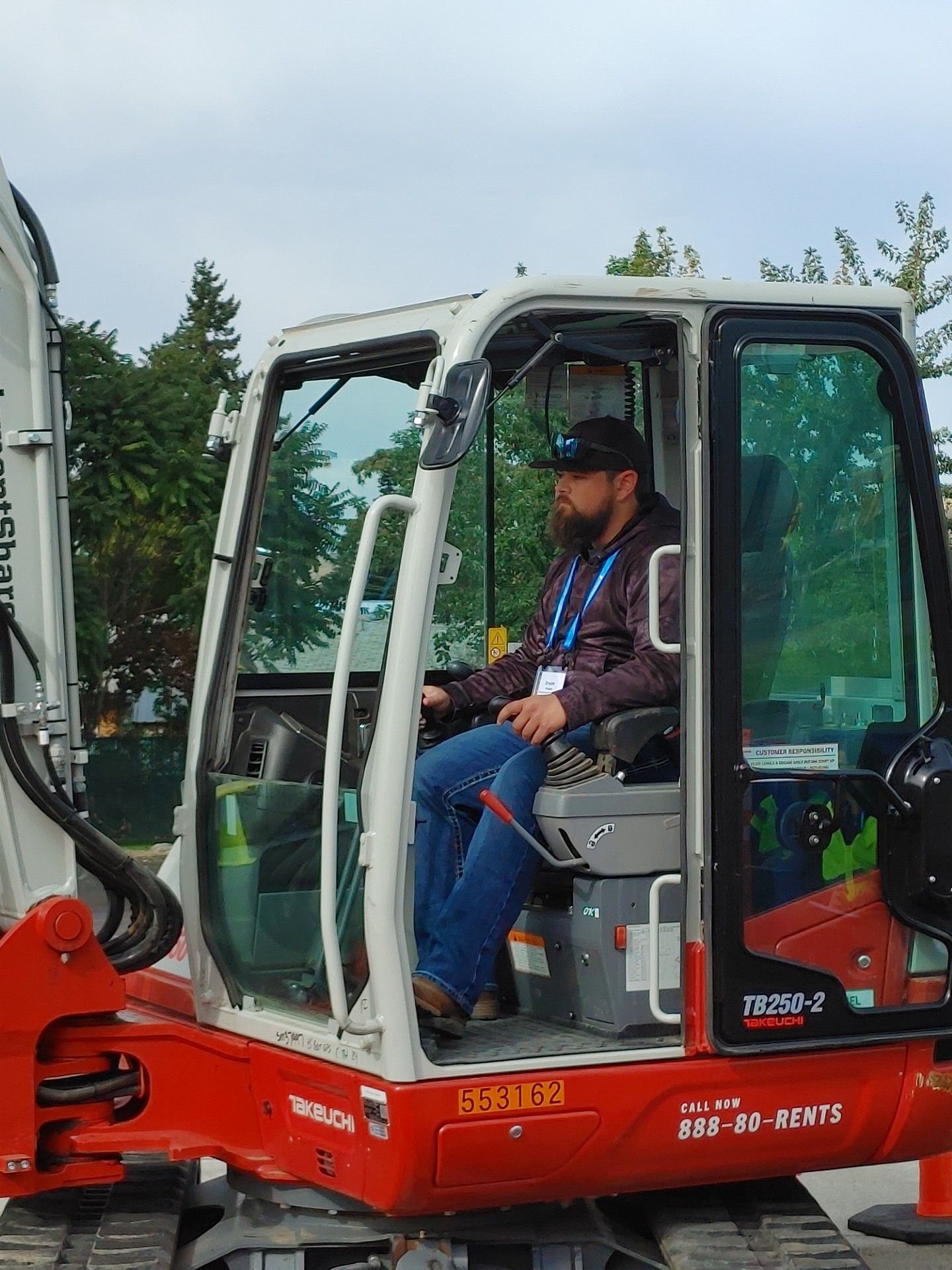
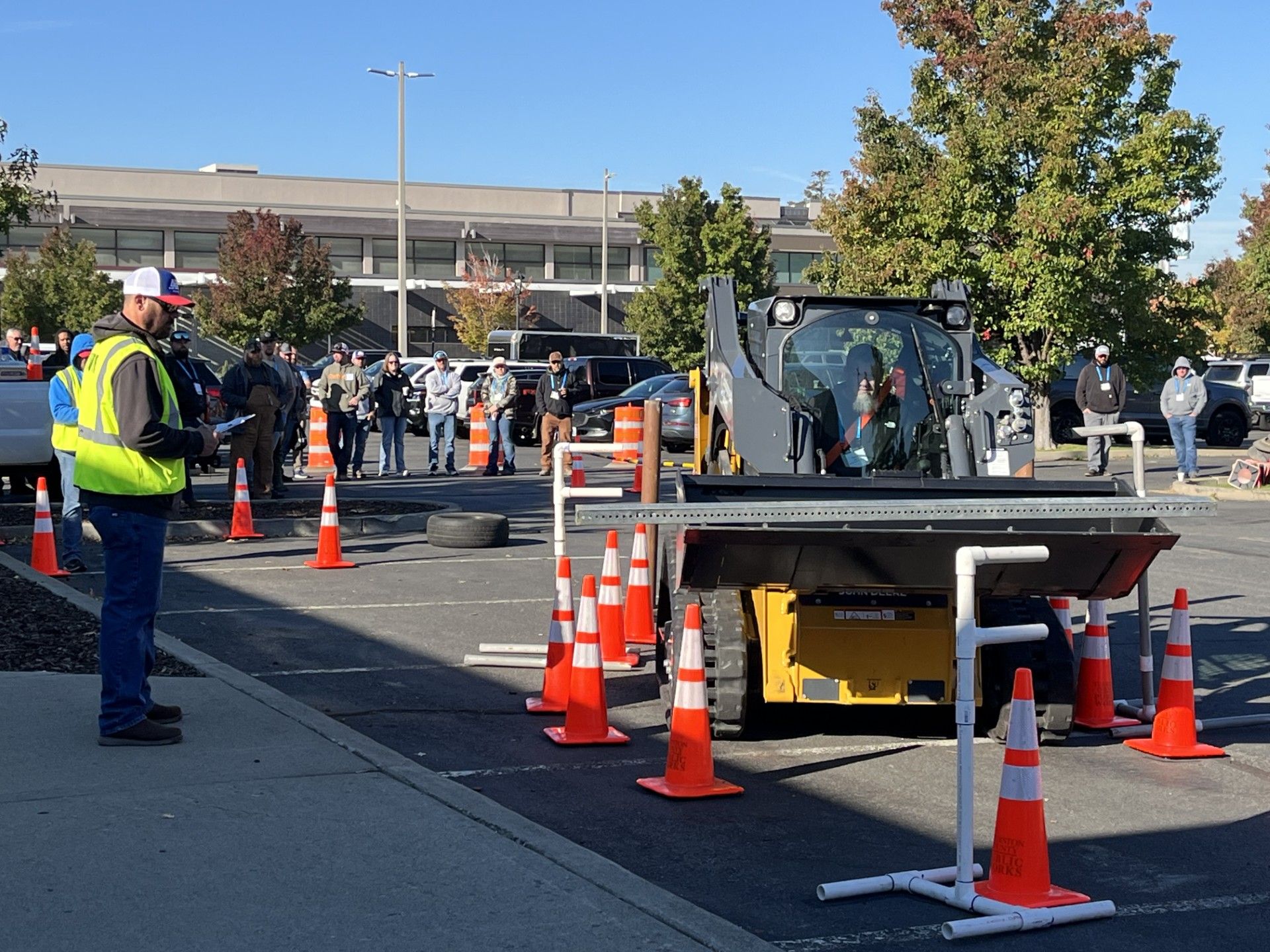
Public Works Road Operations hosted our annual Equipment ROADeo at the Tilley Rd campus in May 2025. The ROADeo provides our operators with an opportunity to showcase their skills and expertise in various events, including operating a skid steer, loader, excavator, and dump truck plow. Road Operations, Traffic Operations, Fleet Services, and the City of Olympia brought staff to compete at the Public Works Tilley Rd campus. Our equipment operators, Tyson Null and Brycen Poston, qualified for and participated in the statewide APWA’s Equipment ROADeo. Aaron Norquest and Tyson Null then competed at the APWA National Snow and Ice Conference in Loveland, Colorado. These ROADeo competitions allowed Tyson, Aaron, and Brycen to refine their techniques, learn from peers, and gain valuable insights to apply in their daily work. Their performance reflects the high standards and capabilities of our operations team.


Need caption.

  • Slide title

    Write your caption here
    Button
  • Slide title

    Write your caption here
    Button
  • Slide title

    Write your caption here
    Button
  • Slide title

    Write your caption here
    Button
  • Slide title

    Write your caption here
    Button
  • Slide title

    Write your caption here
    Button
  • Slide title

    Write your caption here
    Button
  • Slide title

    Write your caption here
    Button
  • Slide title

    Write your caption here
    Button

Winter Readiness Training 

Each year, our crews do hands-on preparation to keep roads safe during winter storms.

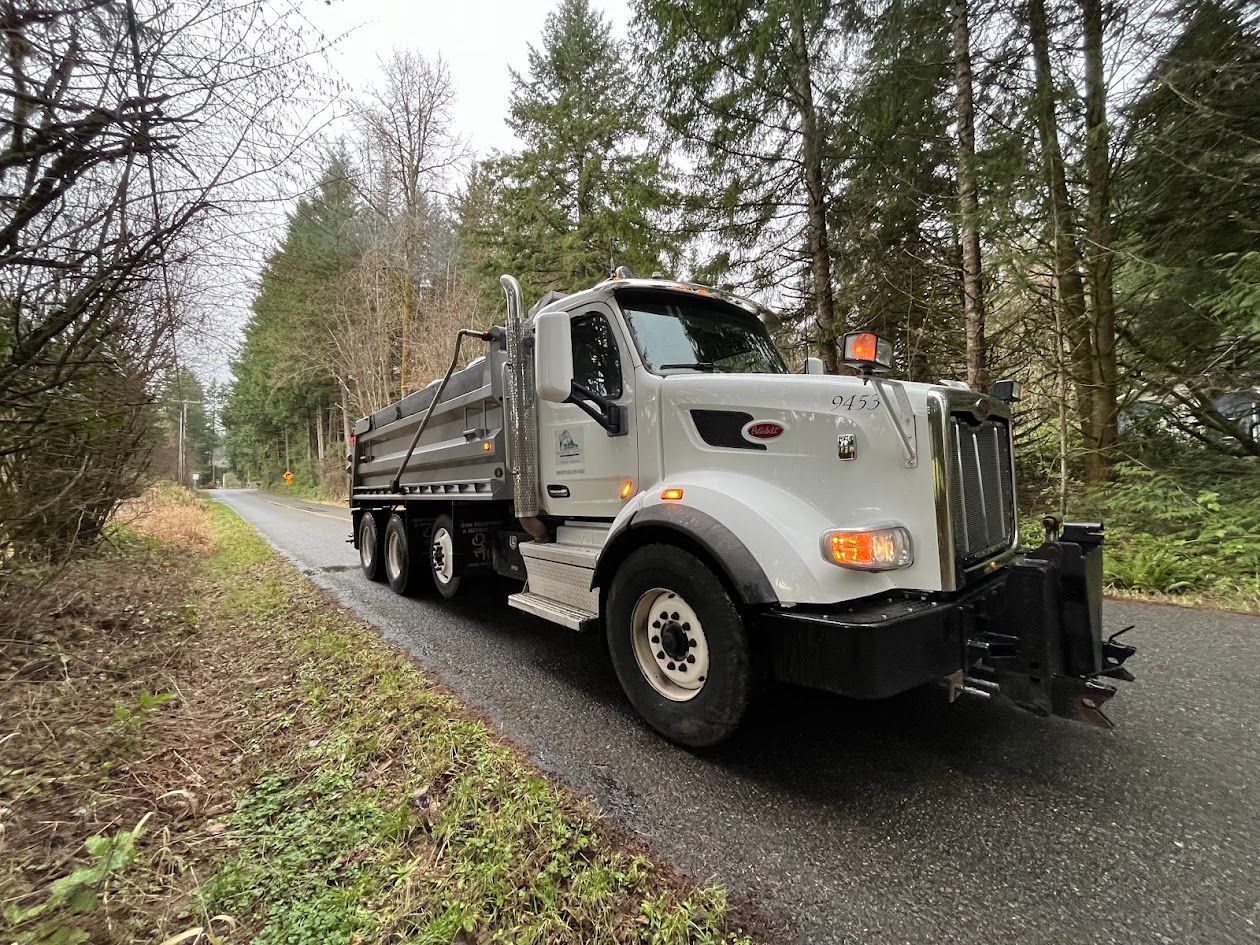
Ahead of the storm season, Public Works held a two-and-a-half-day Winter Operations Training to ensure crews are prepared for whatever winter may bring. Staff from Road Operations, Traffic Operations, and Parks & Trails worked together in real-world conditions. They practiced essential tasks like attaching snowplows, making and loading salt brine, installing sanders and anti-icer tanks, fitting tire chains, and driving assigned routes. They also reviewed procedures and practiced using electronic message boards. This hands-on training strengthened team bonds, refreshed key skills, and ensured a quick, safe response when winter weather arrives. A special thanks goes to the Fleet Services team for their help with winter readiness training. 

Need caption.

  • Slide title

    Write your caption here
    Button
  • Slide title

    Write your caption here
    Button
  • Slide title

    Write your caption here
    Button

Parks and Trails

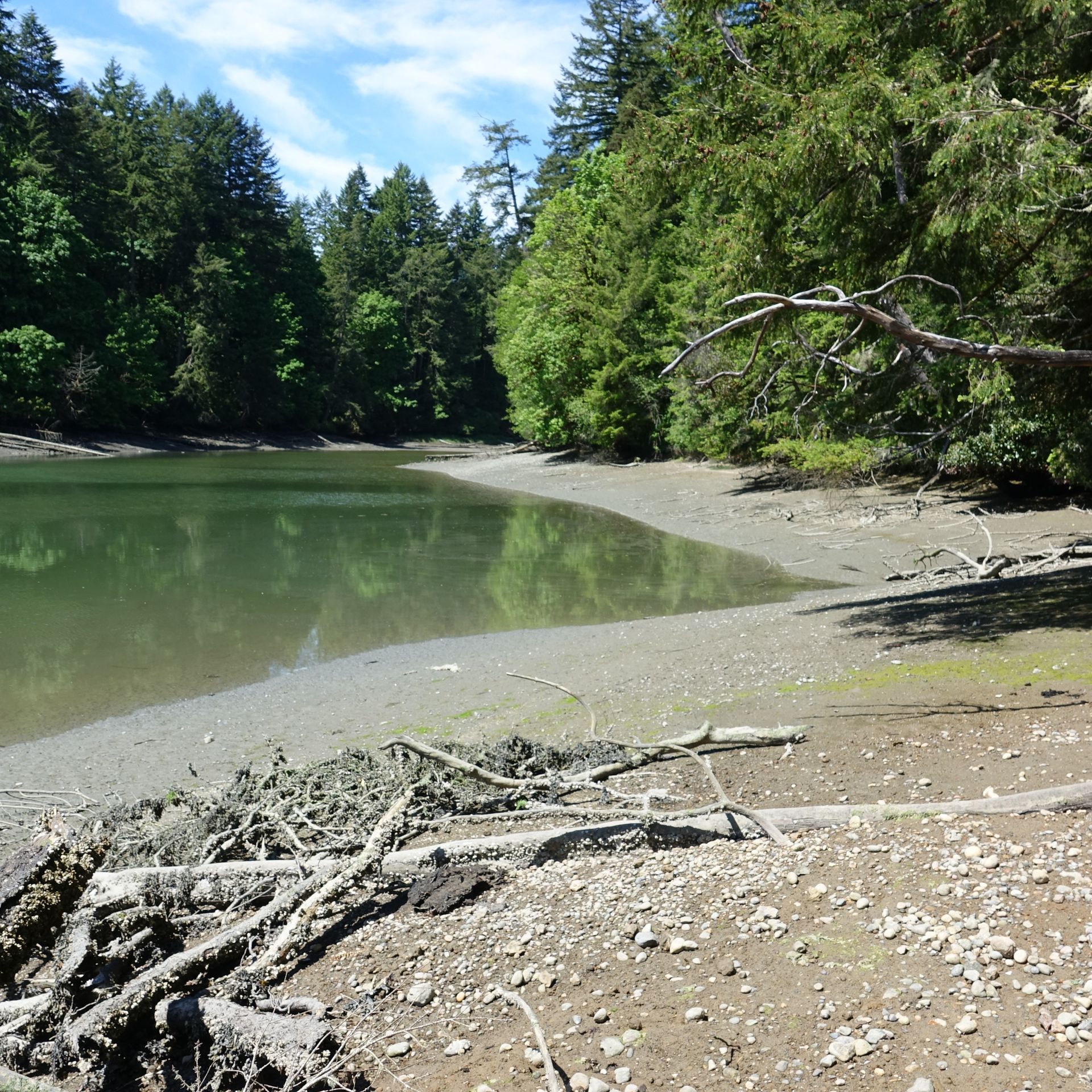
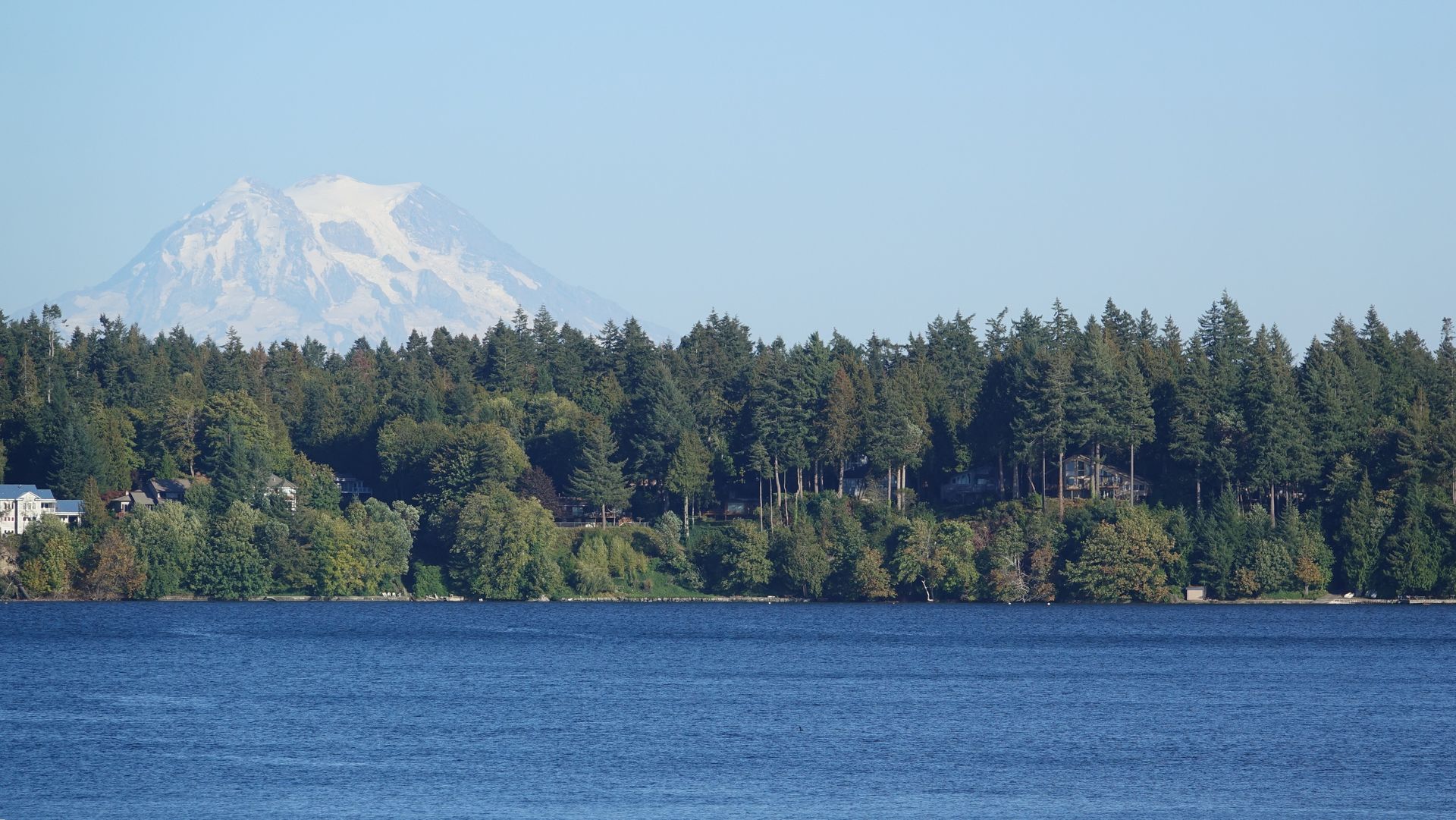
The Public Works Parks & Trails Program cares for 2,578 acres of park land and 56 miles of trails across Thurston County. Our parks include Burfoot, Frye Cove, Kenneydell, Guerin, and Deschutes Falls, and our trails include the Chehalis Western, Yelm-Rainier-Tenino, Gate-Belmore, and Ralph Munro. We also collaborate with local cities, Mason County, The Evergreen State College, and the Town of Bucoda through interlocal agreements to support the upkeep of shared community spaces.
  • Slide title

    Write your caption here
    Button
  • Slide title

    Write your caption here
    Button
  • Slide title

    Write your caption here
    Button
  • Slide title

    Write your caption here
    Button
  • Slide title

    Write your caption here
    Button
  • Slide title

    Write your caption here
    Button
  • Slide title

    Write your caption here
    Button
  • Slide title

    Write your caption here
    Button
  • Slide title

    Write your caption here
    Button
  • Slide title

    Write your caption here
    Button

By the Numbers

2

Total active projects

893,940

Total Parks & Trails visits

72,000

Dog waste bags distributed to Parks & Trails users

Project Highlights
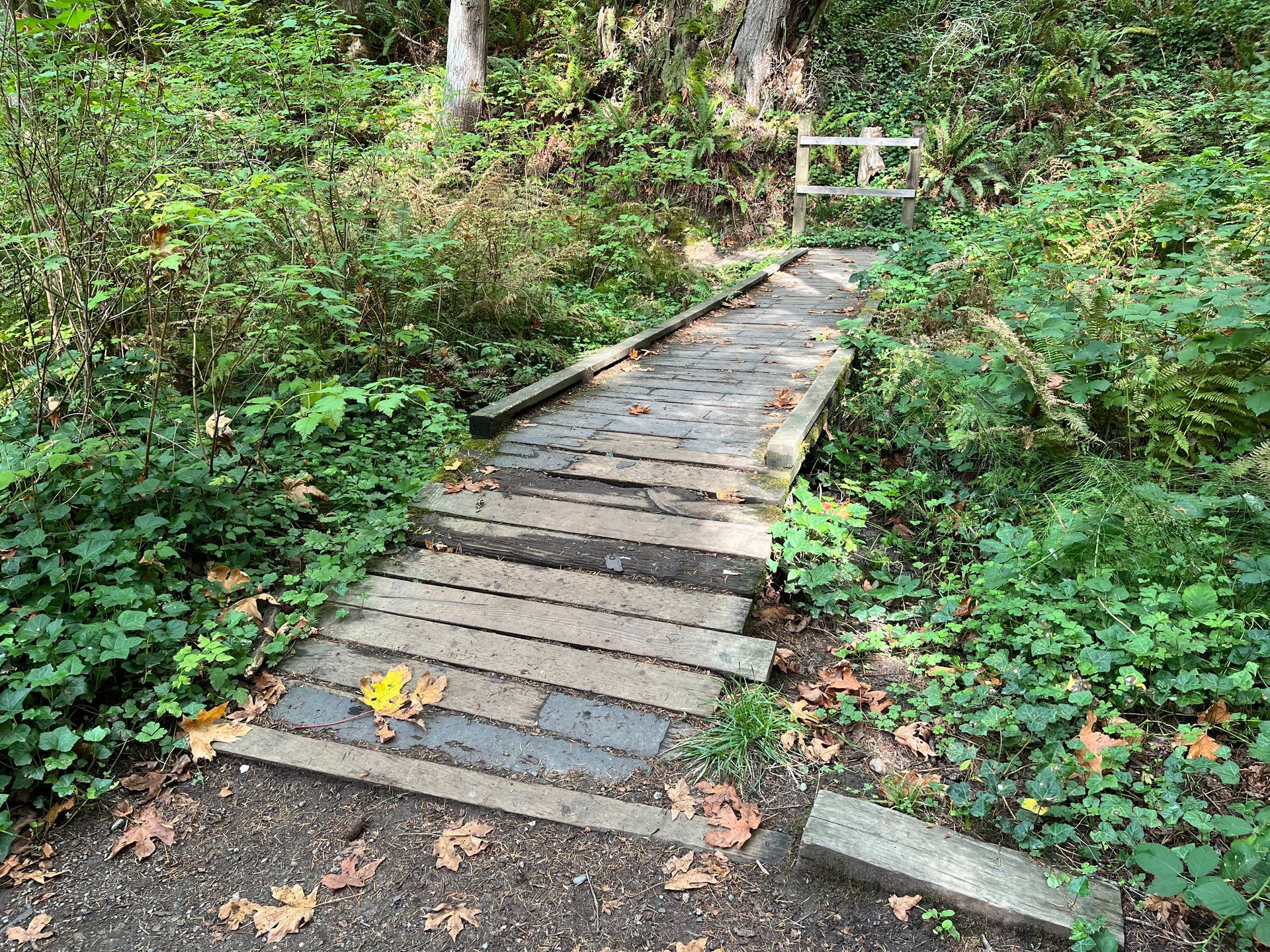
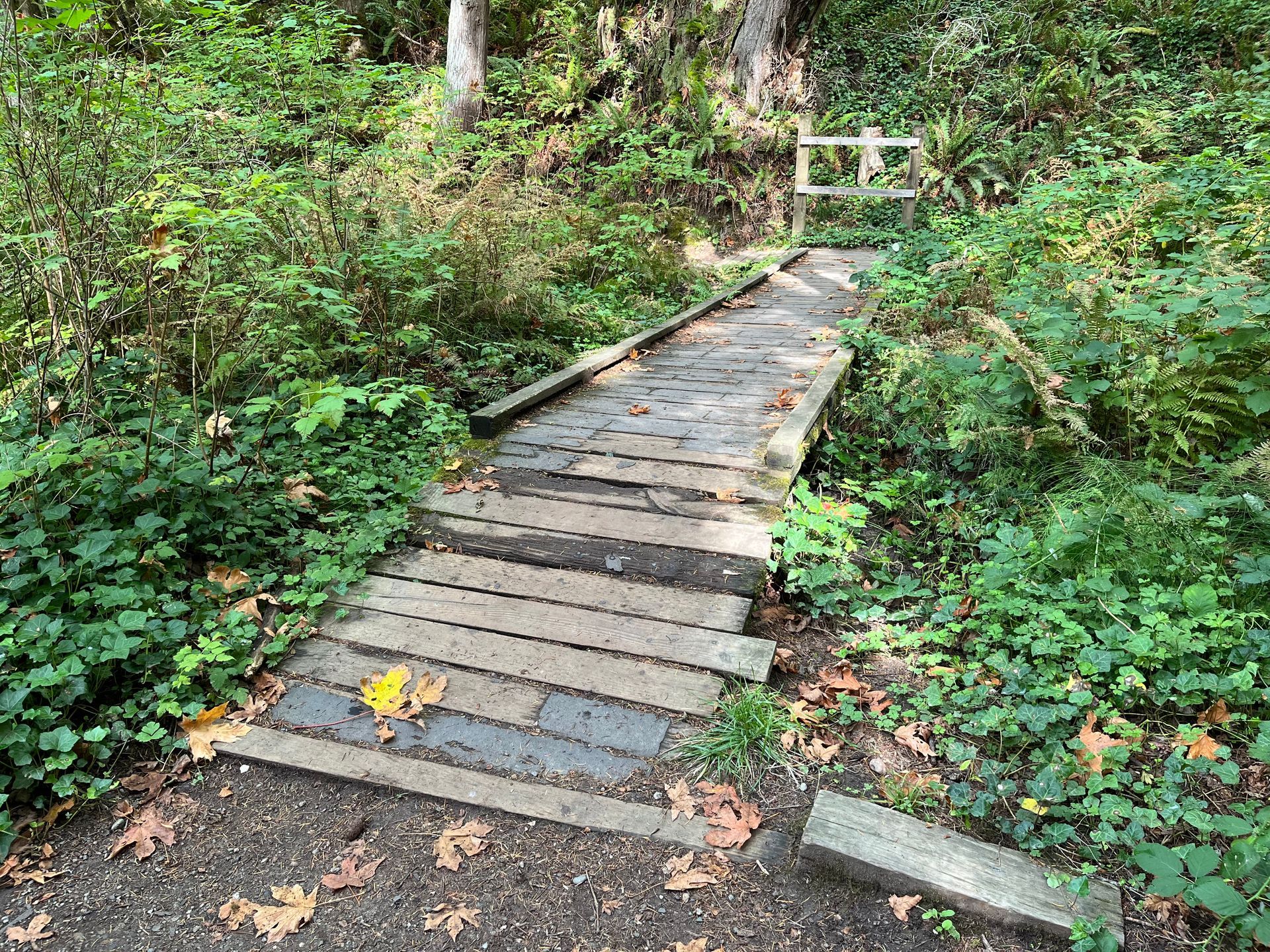
A bridge runs across the trail at Burfoot Park, lined with salmonberry, ivy, ferns, and buttercup. Boards are damaged from rot, showing the bridge’s state before upcoming trail improvements. 

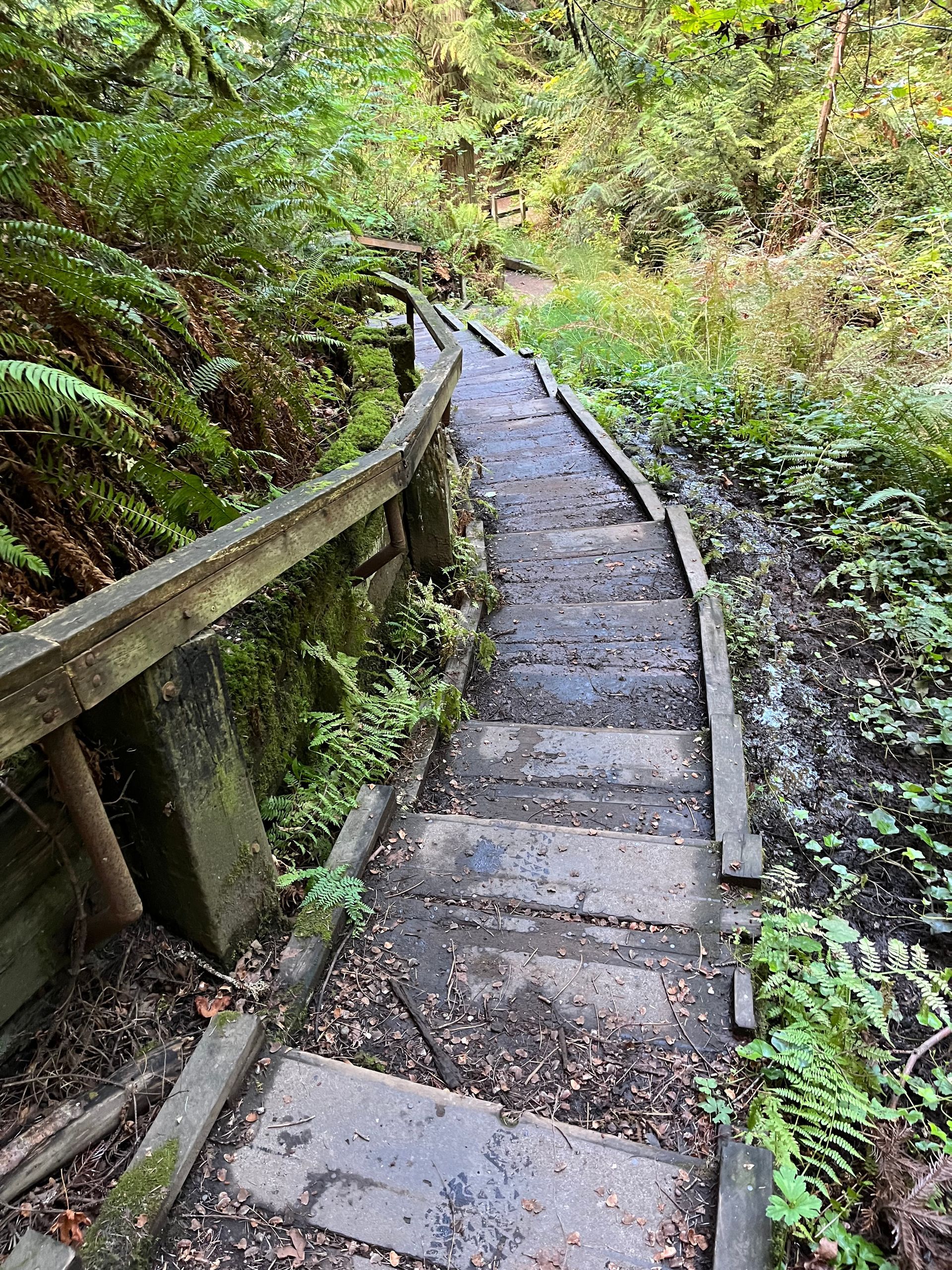
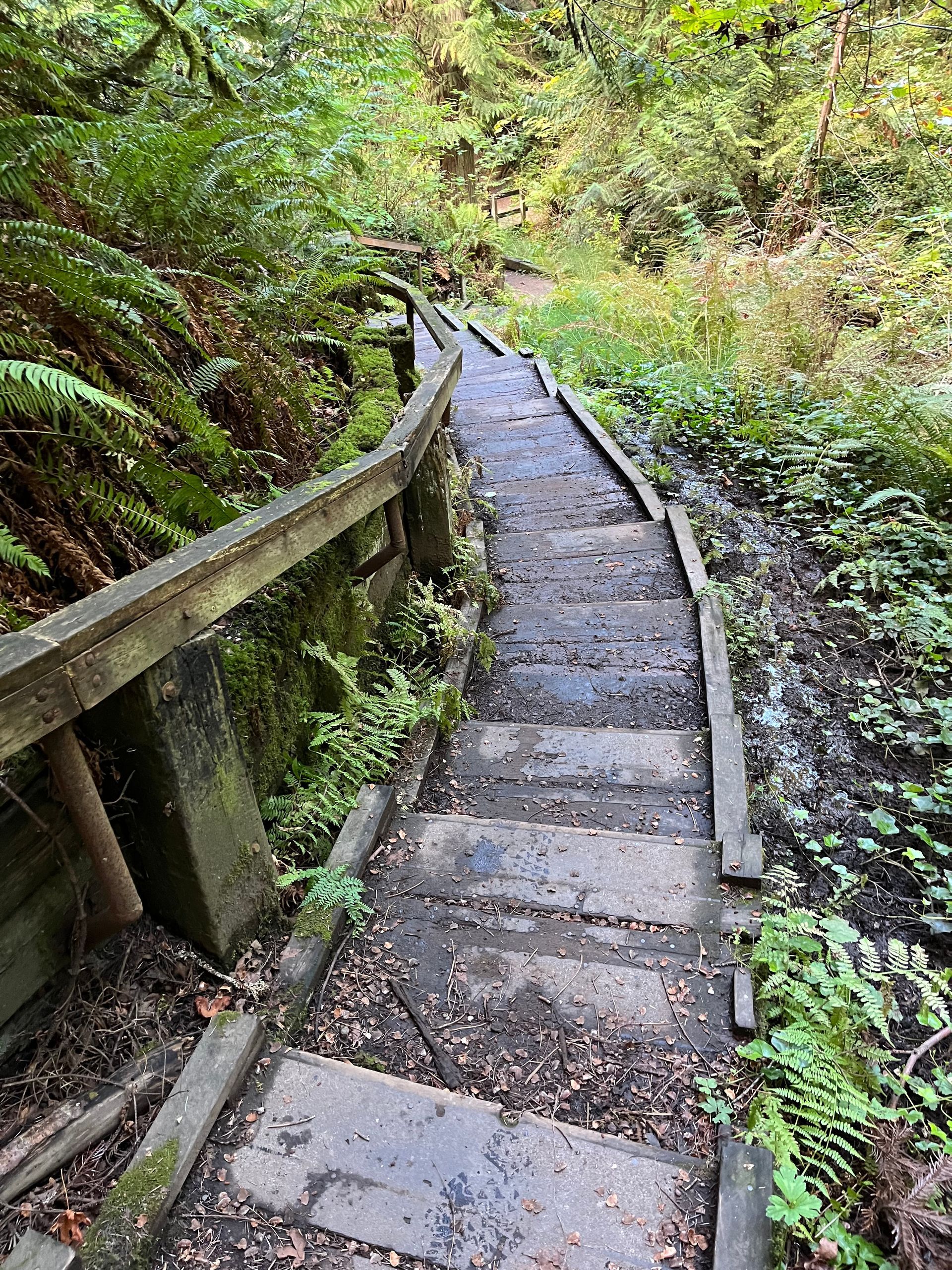
Muddy, deteriorating stairsteps trail down a hillside, lined with ferns and horsetails. Trees are faintly visible in the background.

Burfoot Improvements

Aging infrastructure at Burfoot Park has made it necessary to upgrade the park trail system. 


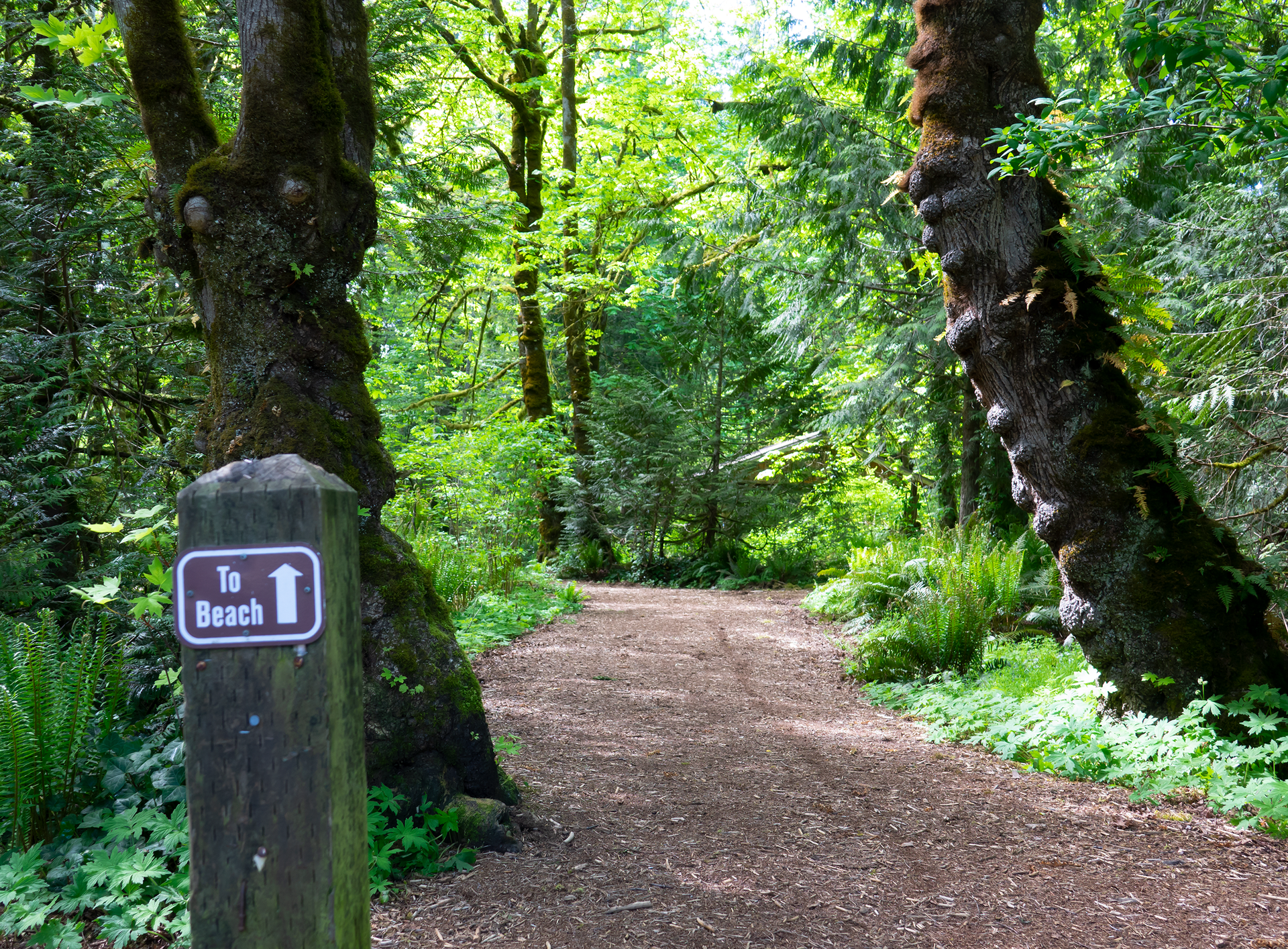
Public Works crews started making key upgrades throughout the park in 2025 to boost trail safety and accessibility. The team is repairing and replacing worn stairs, footbridges, and handrails, along with fixing drainage problems and stabilizing retaining walls. By investing in these improvements, we’re creating a safer, more inviting park experience for everyone.

Need caption.

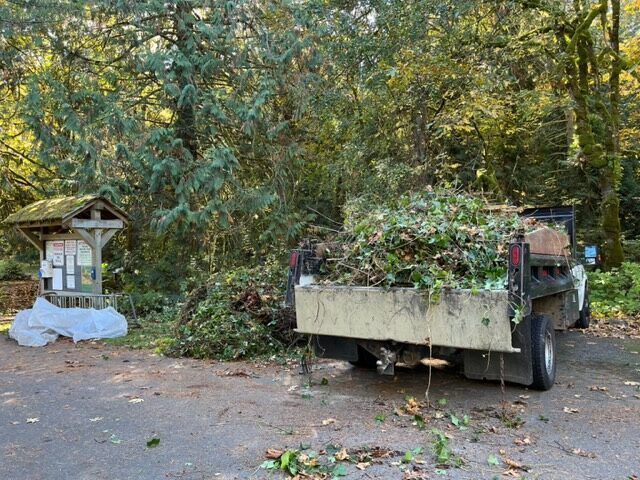
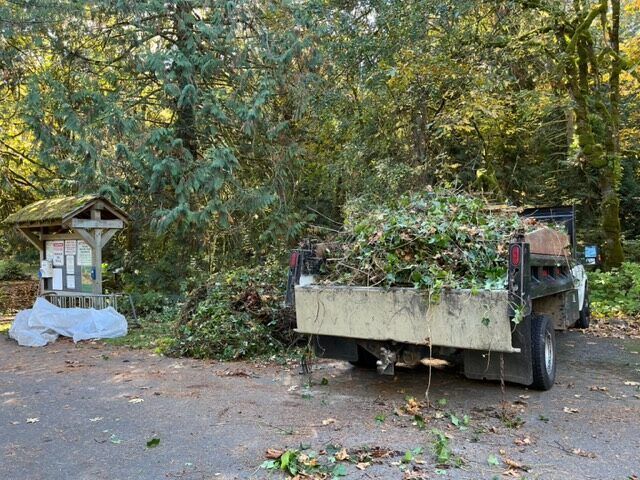
A flatbed truck is piled high with pulled ivy at Burfoot Park. Next to the truck, another large pile of ivy sets in waiting.

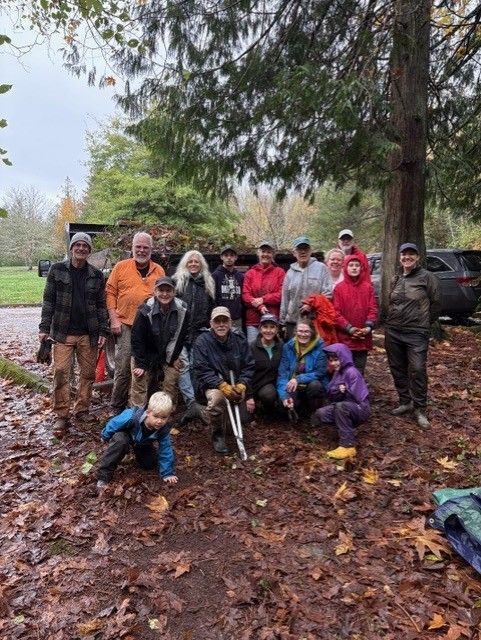
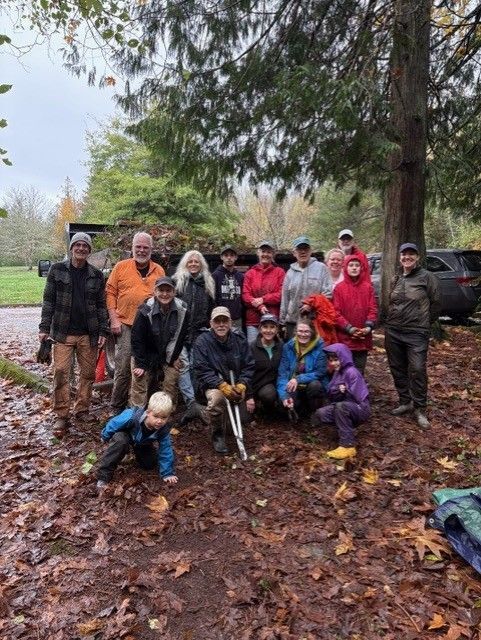
The IvyBeGone volunteer group at poses with tools under a cedar tree at Burfoot Park in Olympia. A truck full of ivy is visible in the background. 

IvyBeGone Volunteer Program

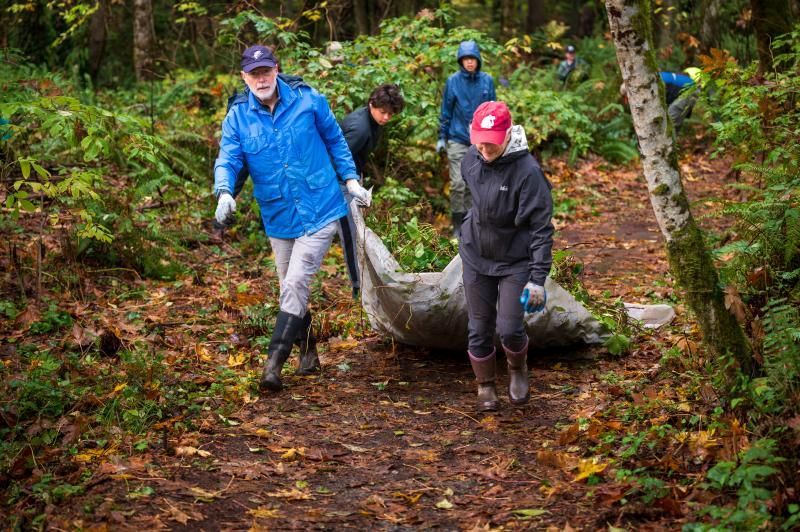
The Boston Harbor Association’s IvyBeGone Team has been working with our Parks & Trails staff to remove invasive English ivy from Burfoot Park.

IvyBeGone volunteers drag a tarp stacked with ivy off the trails at Burfoot Park. Volunteers continue working in the background.

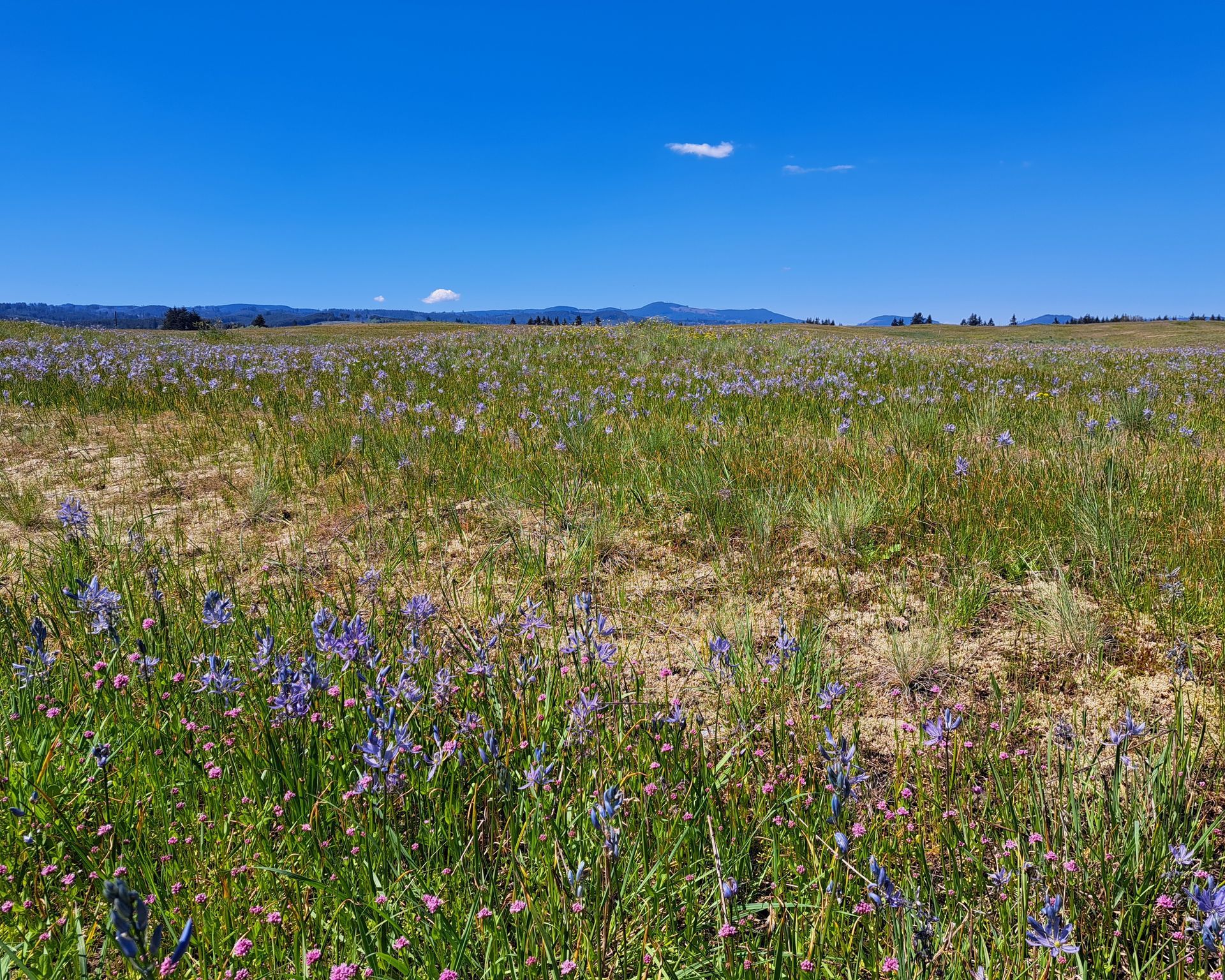
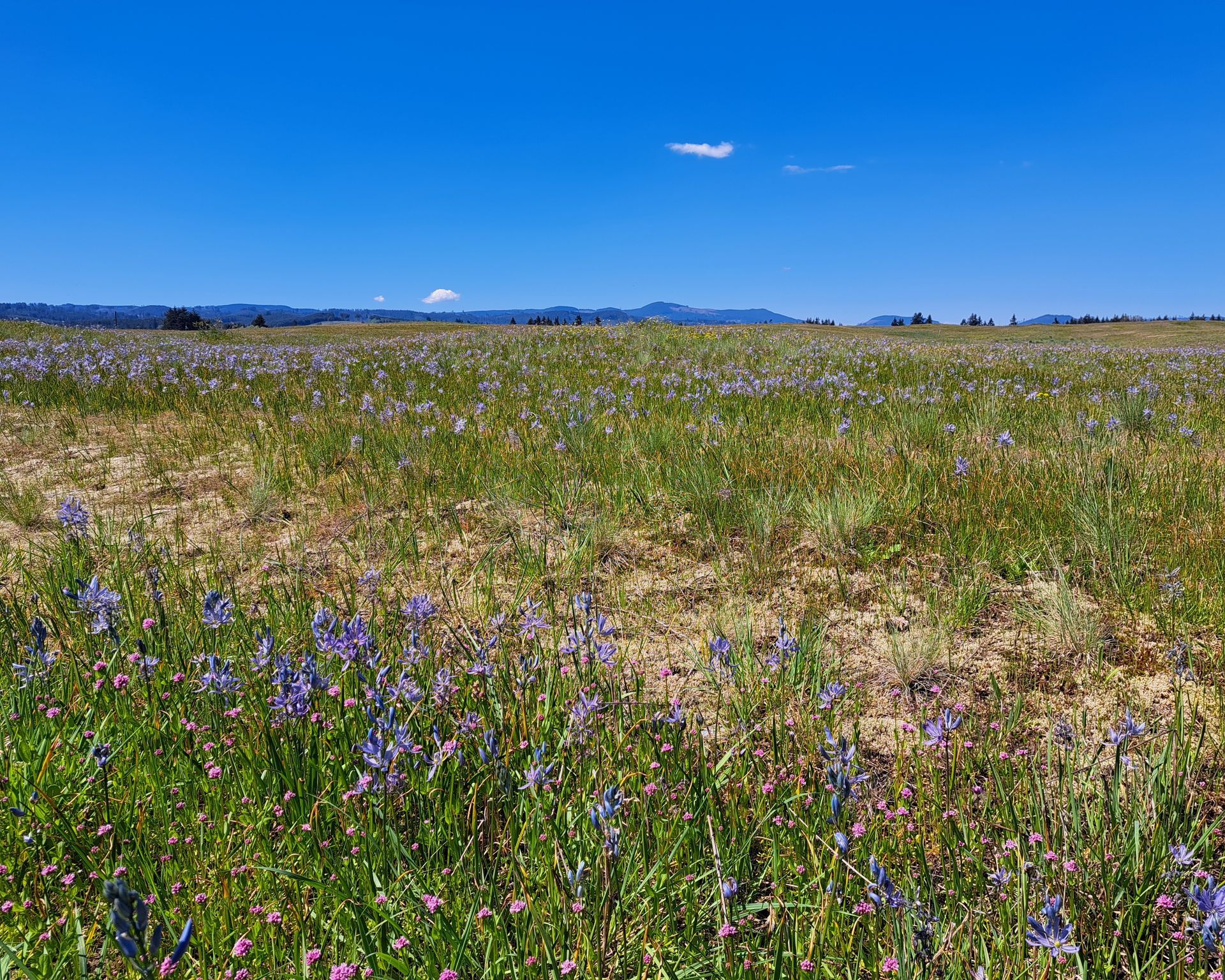
Purple camas blooms are mixed into pink sea thrift and native fescue. The prairie seems to stretch for miles, framed by an open blue sky.

Need caption

Prairie Appreciation Day 

Each year, Prairie Appreciation Day takes place at the Glacial Heritage Preserve.

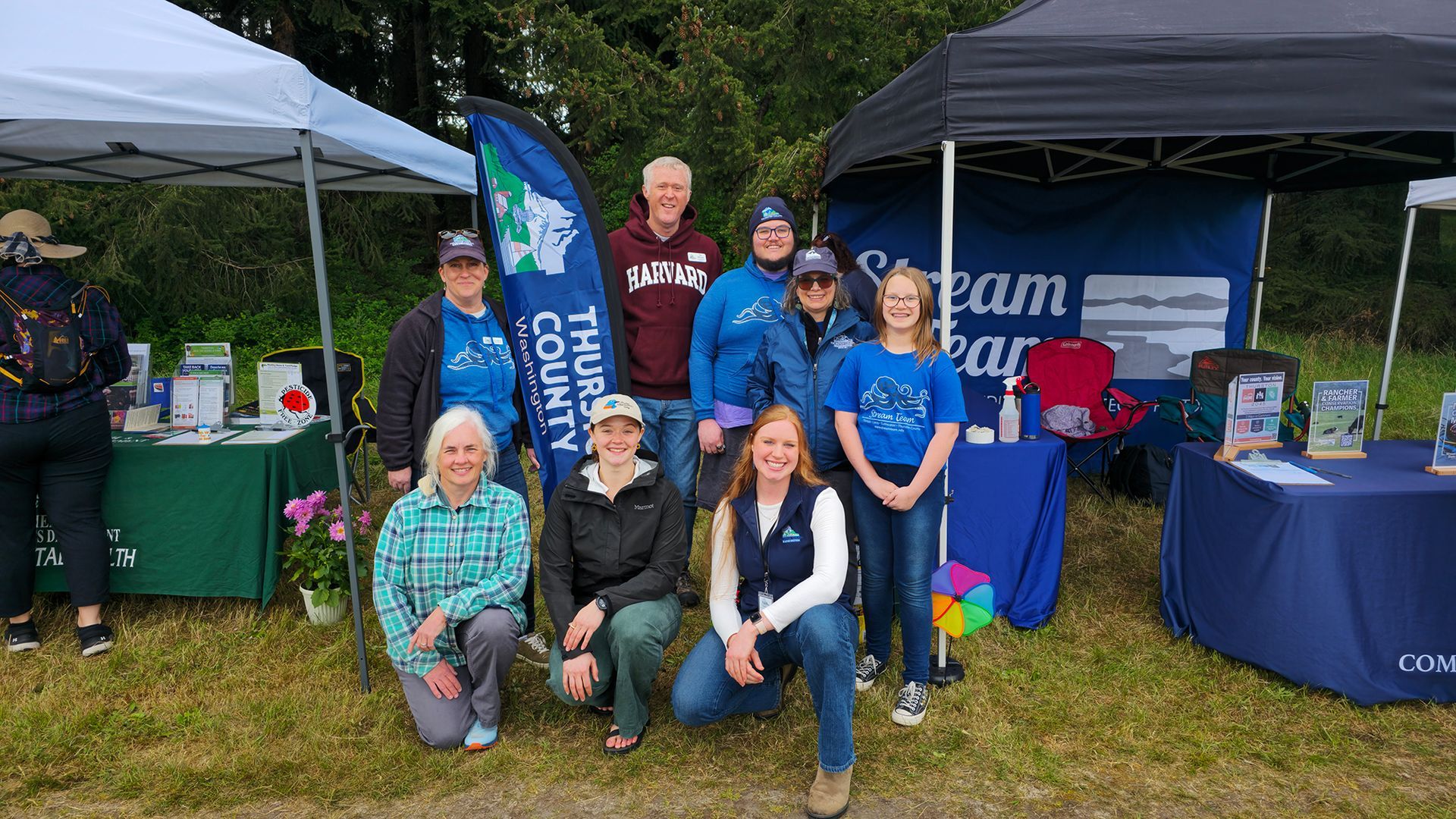
Staff from Environmental Health, Noxious Weeds, Stream Team, Community Planning and Economic Development pose alongside a Thurston County Commissioner and Stream Team volunteers for a quick group photo near their booths at Prairie Appreciation Day at Glacial Heritage Preserve

Need captions.

Need caption

The Watershed, Infrastructure, and Nature! (WIN!) Youth Volunteer Program

The Thurston Youth WIN! Program continues to partner with Public Works for volunteer opportunities. 

Need captions.

Burfoot Improvements

Aging infrastructure at Burfoot Park has made it necessary to upgrade the park trail system. 

  • Slide title

    Burfoot Trail Improvements (Before)

    Button
  • Slide title

    Burfoot Trail Improvements (After)

    Button

Public Works crews started making key upgrades throughout the park in 2025 to boost trail safety and accessibility. The team is repairing and replacing worn stairs, footbridges, and handrails, along with fixing drainage problems and stabilizing retaining walls. By investing in these improvements, we’re creating a safer, more inviting park experience for everyone.

IvyBeGone Volunteer Program 

The Boston Harbor Association’s IvyBeGone Team has been working with our Parks & Trails staff to remove invasive English ivy from Burfoot Park

  • Slide title

    IvyBeGone

    Button
  • Slide title

    IvyBeGone

    Button

English ivy can choke trees, crowd out native plants, and damage park structures, so controlling it is vital for the park's health. Volunteers meet monthly from October through June to pull ivy. After each work party, Parks & Trails staff load the removed ivy onto a county flatbed truck for proper disposal. This teamwork fosters a sense of stewardship among community members and enhances park conditions for other plants, wildlife, and visitors.

Prairie Appreciation Day

Each year, Prairie Appreciation Day takes place at the Glacial Heritage Preserve.

  • Slide title

    Prairie Appreciation Day

    Button

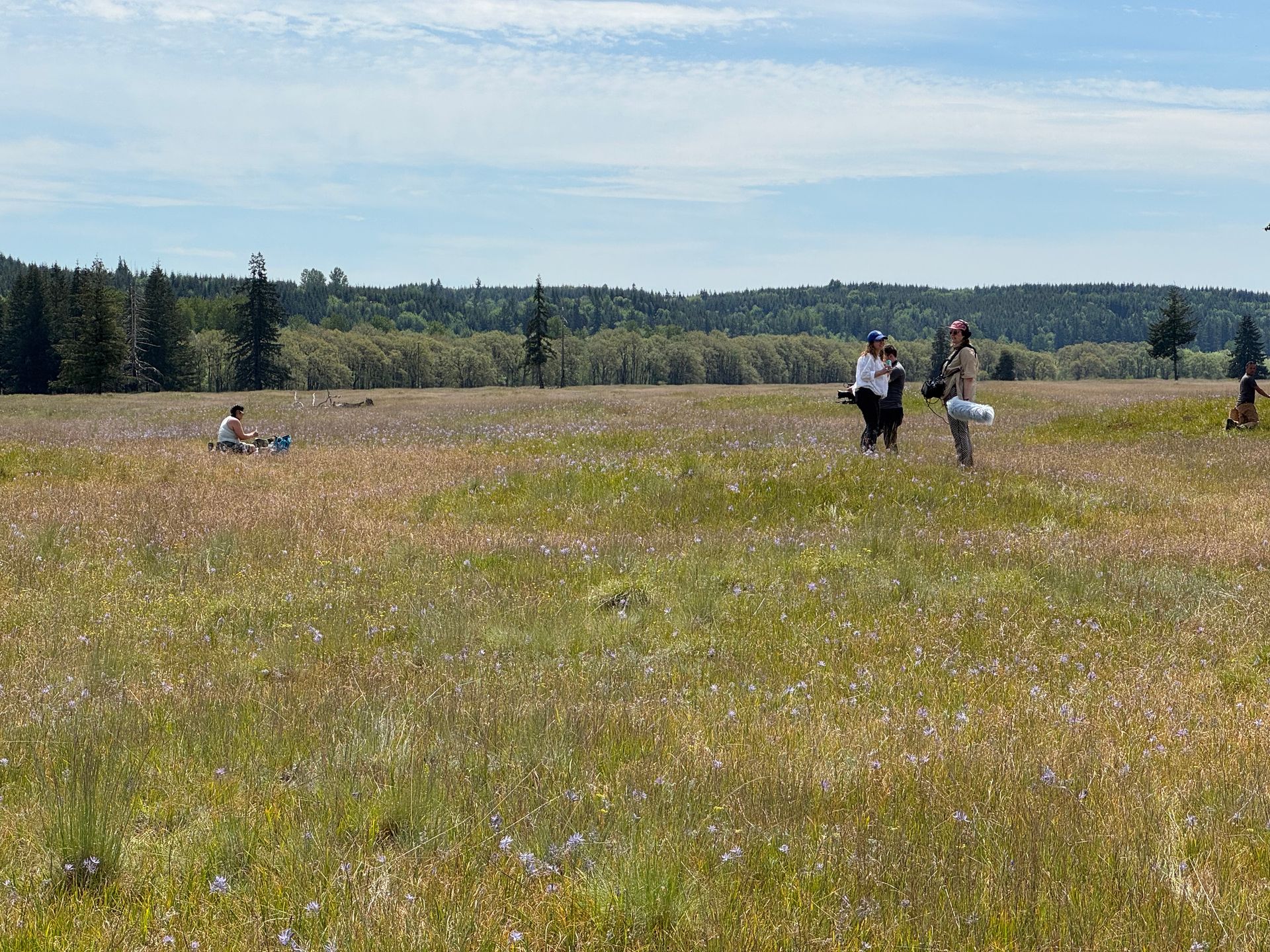
Glacial Heritage Preserve is a special property owned by Thurston County. Prairie Appreciation Day is the only day each year when the preserve is open to the public, giving visitors a chance to explore a rare prairie habitat. Friends of Puget Prairies team up with the Center for Natural Lands Management, Ecostudies Institute, and Thurston County to make this event successful. It takes place every year on the second Saturday in May. Visitors can walk the trail and visit educational booths. The trail provides opportunities for birdwatching, seeing native wildflowers in bloom, discovering a rare oak habitat, and enjoying views of rolling grasslands. This year, nearly 1,300 people attended to enjoy the prairie.

The Watershed, Infrastructure, and Nature! (WIN!) Youth Volunteer Program

The Thurston Youth WIN! Program continues to partner with Public Works for volunteer opportunities. 

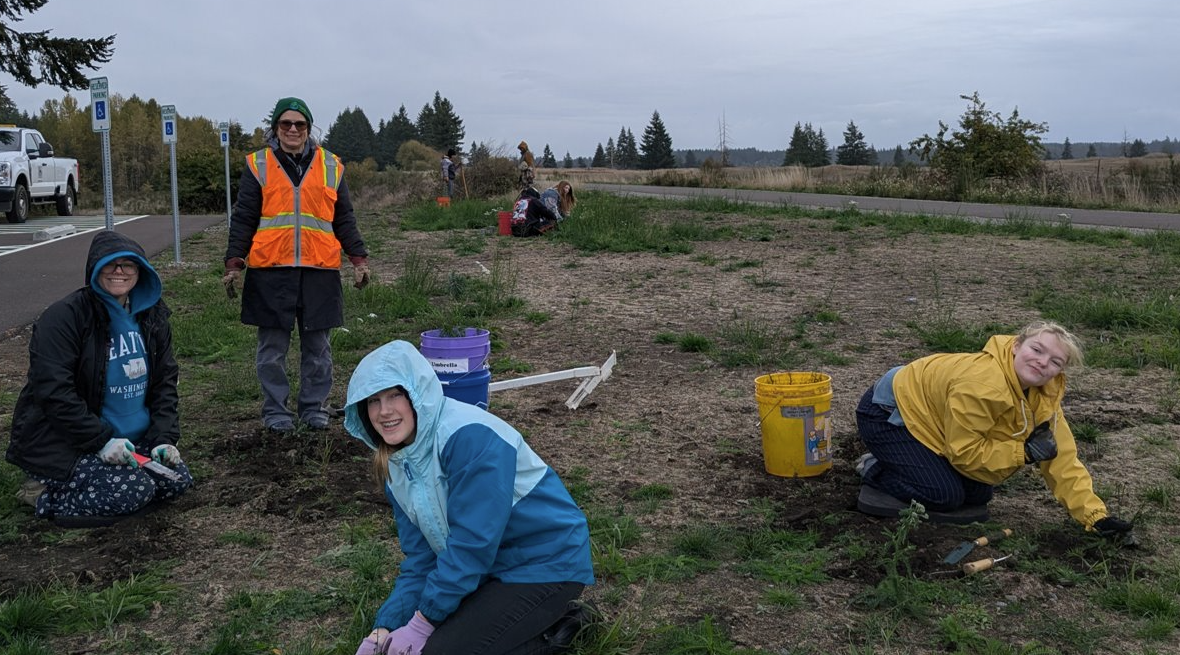
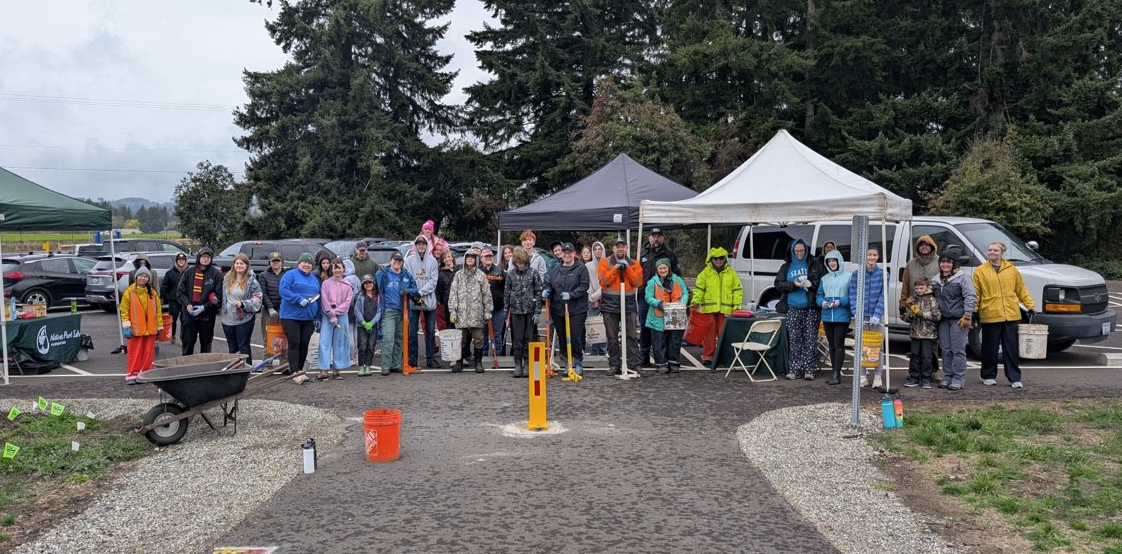
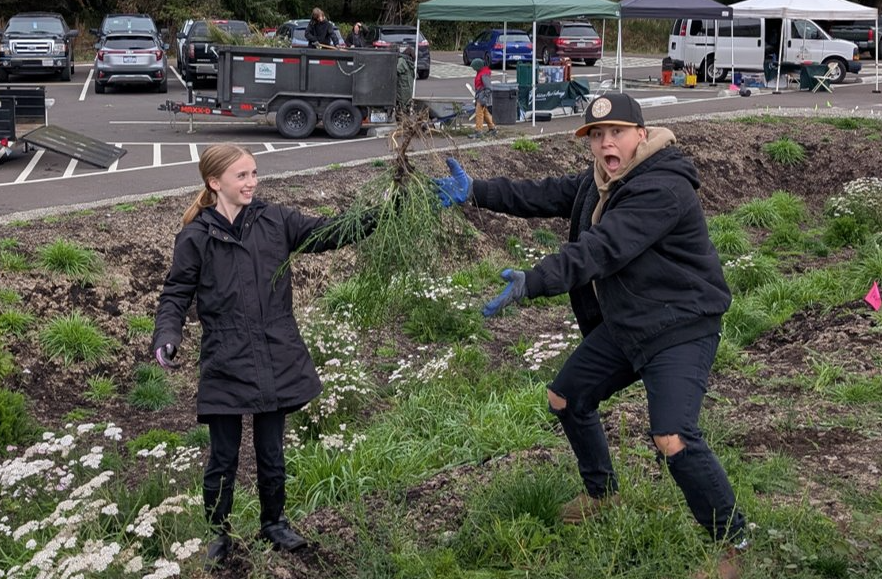
    The WIN! Program is a partnership between Thurston County Community Planning and Economic Development, Public Works Stormwater Utility, and the WSU Thurston County Extension. In 2025, volunteers from the WIN! Program were back to help Public Works. Volunteers visited the new Gate-Belmore Trail to pull weeds and remove blackberry bushes. Their work was vital for replanting and for preparing hydroseeding. We look forward to their return next year for another volunteer project.


    Solid Waste

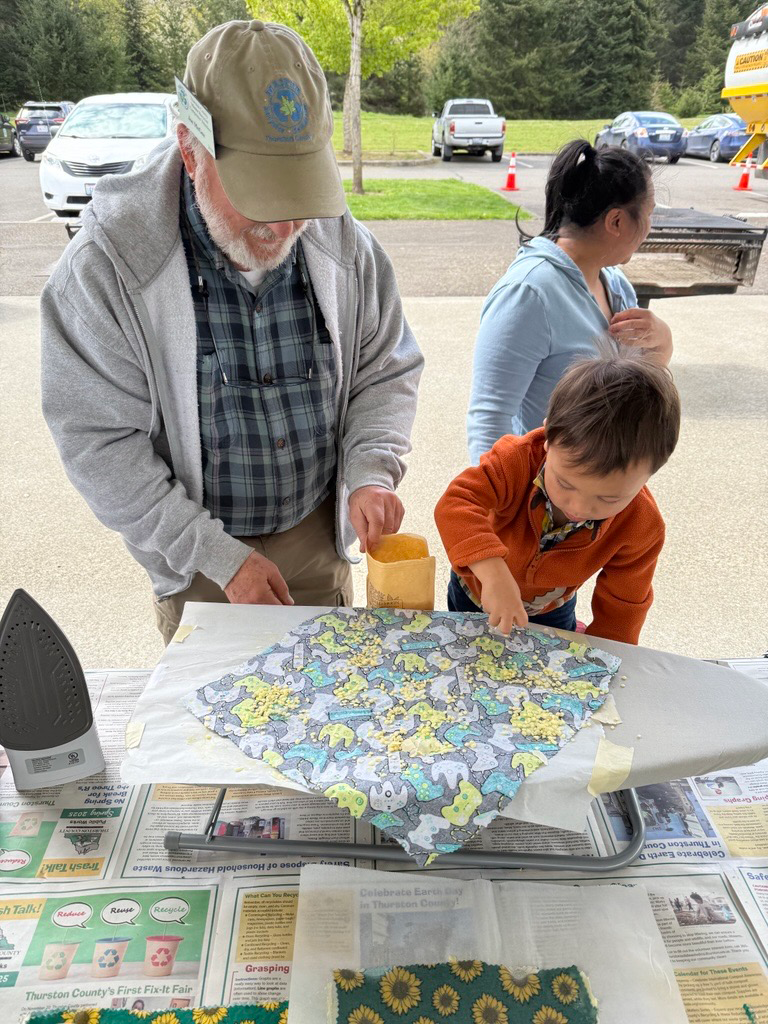
    The Solid Waste Division operates and maintains Thurston County’s main waste transfer station, the Waste and Recovery Center (WARC) in Lacey, along with drop-box sites in Rainier and Rochester. These facilities manage garbage, organics, and recycling for more than 300,000 residents of Thurston County. The division also oversees solid waste planning, recycling initiatives, waste reduction efforts, and roadside litter cleanup. Solid Waste develops education and outreach programs, partners with Public Health to promote proper hazardous waste disposal, and collaborates with the Thurston County Master Recycler Composter Program to teach residents how to reduce waste and recycle effectively.
    • Slide title

      Write your caption here
      Button
    • Slide title

      Write your caption here
      Button
    • Slide title

      Write your caption here
      Button
    • Slide title

      Write your caption here
      Button
    • Slide title

      Write your caption here
      Button
    • Slide title

      Write your caption here
      Button
    • Slide title

      Write your caption here
      Button
    • Slide title

      Write your caption here
      Button
    • Slide title

      Write your caption here
      Button

    Work Groups

    Planning

    The Planning work group sets the direction for how our solid waste facilities and services are planned and managed. They monitor and analyze solid waste and recycling data and lead the development of Thurston County’s Solid Waste Management Plan. They also work closely with the Solid Waste Advisory Committee to ensure planning efforts stay on track and align with community needs.

    Facilities Operations

    The Facilities Operations work group manages and maintains the Waste and Recovery Center, the Rainier and Rochester Drop-boxes, the Off-Leash Dog Park, and HazoHouse. Their team includes Moderate Risk Waste Operations, which handles hazardous materials from homes and small businesses; Environmental Operations, which oversees the closed landfill; and Building and Grounds Maintenance, responsible for all solid waste facilities and the 128 acres surrounding them. Together, they ensure these sites are safe, clean, and functioning properly for the community.

    Recycling & Waste Reduction

    The Recycling & Waste Reduction work group develops and manages programs that align with the county’s Solid Waste Management Plan. They deliver presentations and organize events to inform both the public and county staff about reducing waste, reusing items, recycling, and properly handling solid waste. Their aim is to keep more materials out of landfills and encourage sustainable practices.

    Scale & Tollhouse Operations

    The Scale & Tollhouse Operations team manages customer service at the Waste and Recovery Center and the drop-box sites in Rainier and Rochester. They help customers, operate the scales, and ensure the facilities operate efficiently.

    Community Litter Cleanup Program

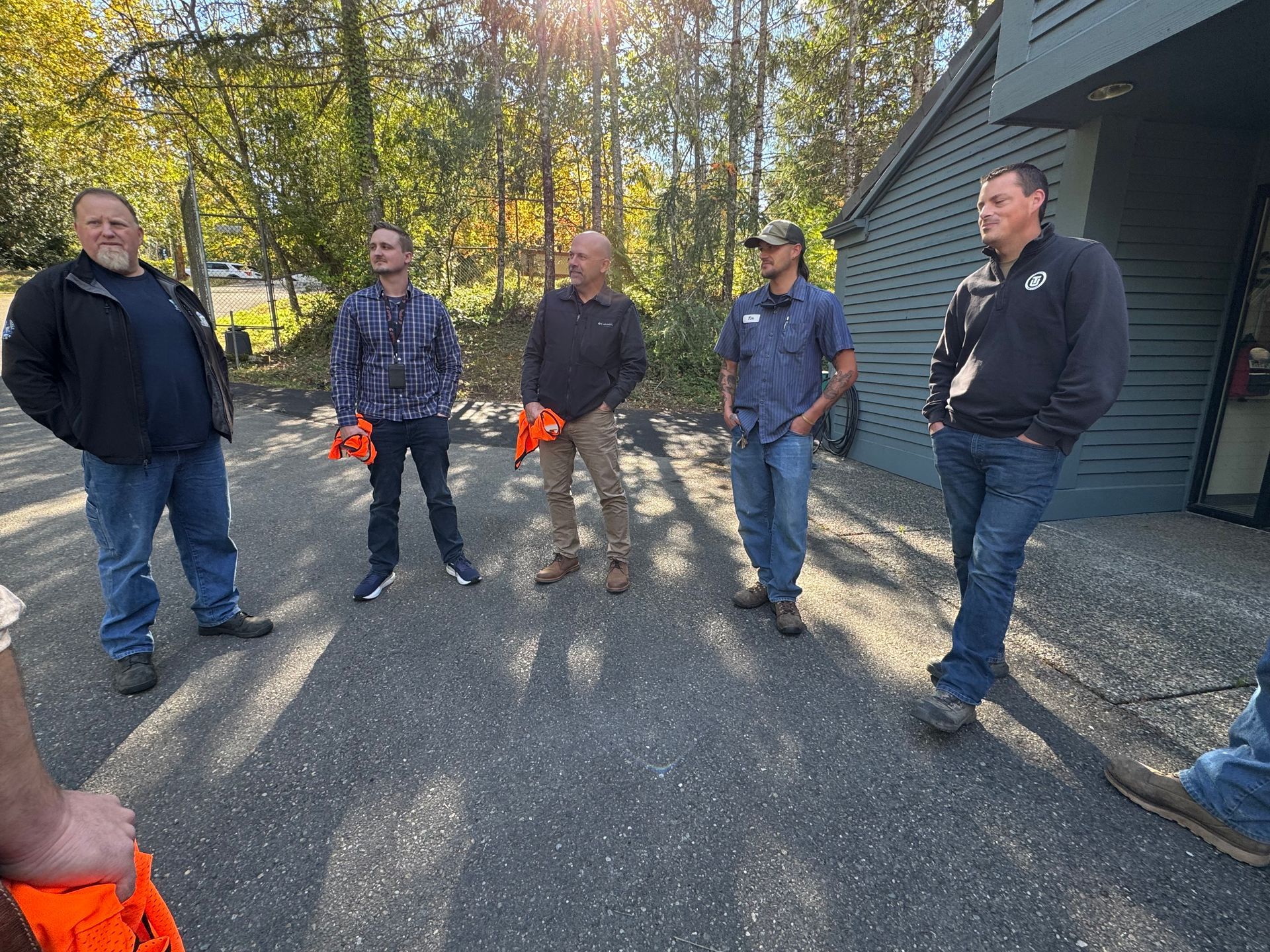
    The Community Litter Cleanup Program collects trash from county-owned roadsides, parks, trails, and illegal dump sites. The program collaborates with the Road Operations Division and the Washington State Department of Ecology, overseeing volunteers, court-ordered crews, and in-custody workers from Cedar Creek. Its main goal is to keep the community safe and healthy by removing waste and hazardous materials from areas where people live, work, and play.

    By the Numbers

    5,000+ 

    Copies of Trash Talk!, our youth recycling and waste reduction newsletter, were distributed to 160 classrooms at 32 schools 

    8

    Total active projects

    266,036

    Customer visits to the WARC

    26,380

    Customer visits to the Rainier Drop-box facility

    4,593

    Tons of waste processed at the Rainier Drop-box facility

    19,611

    Customer visits to the Rochester Drop-box facility

    2,978

    Tons of waste processed at the Rochester Drop-box facility

    20,938

    Tons of organic material diverted from the waste stream

    203,200

    Pounds of roadway litter collected

    Project Highlights
    Need caption.

    Compactor Replacement

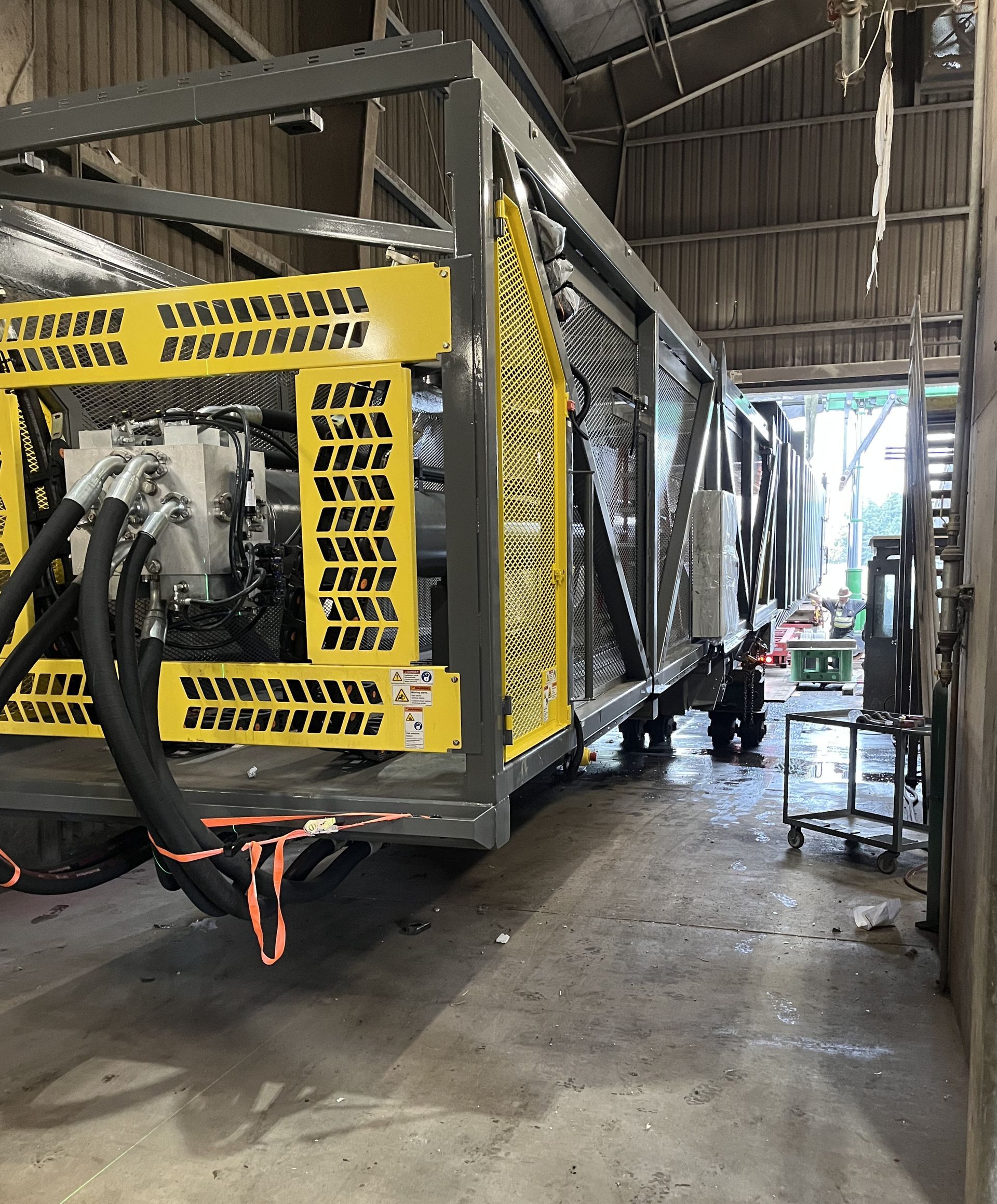
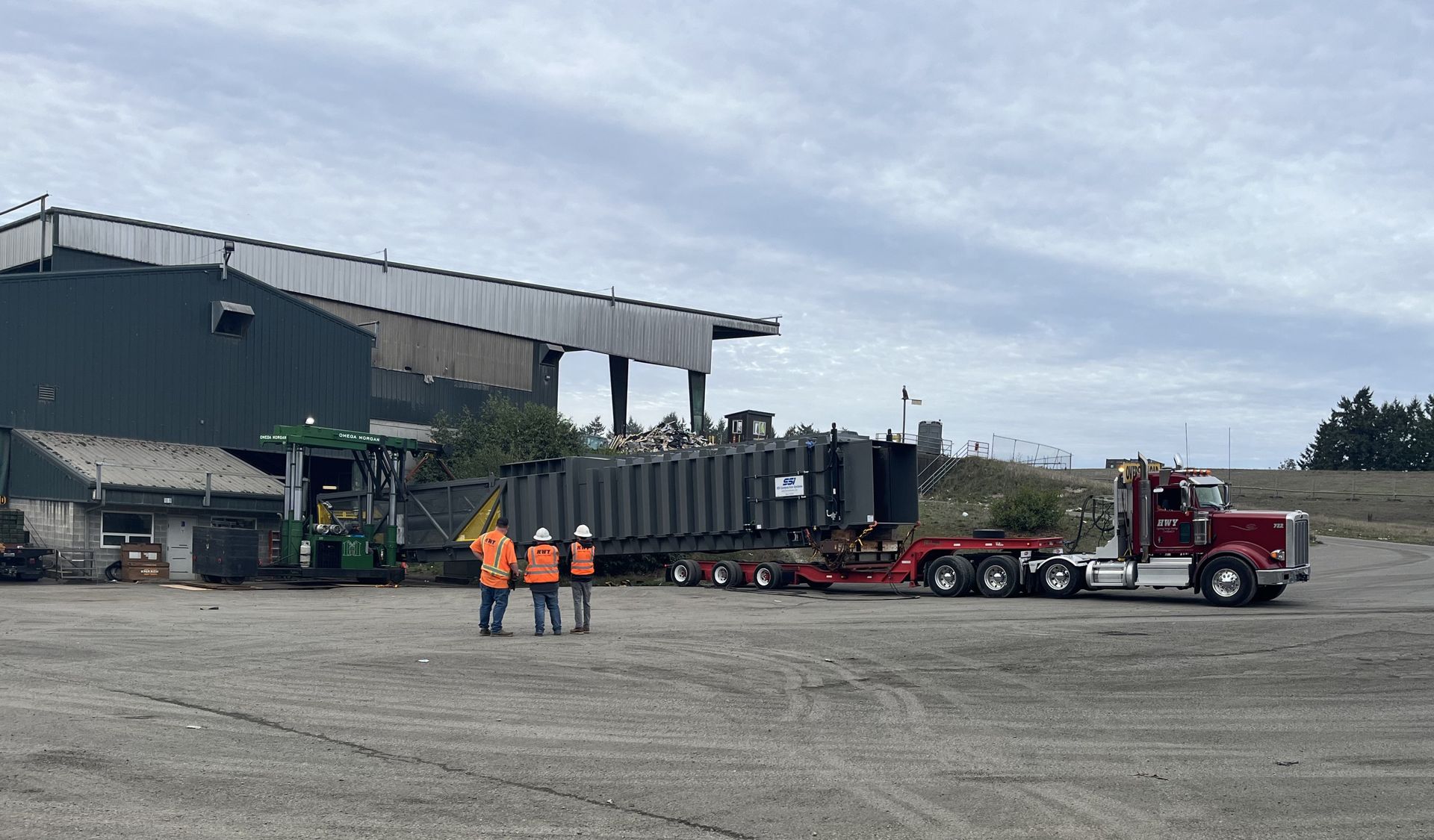
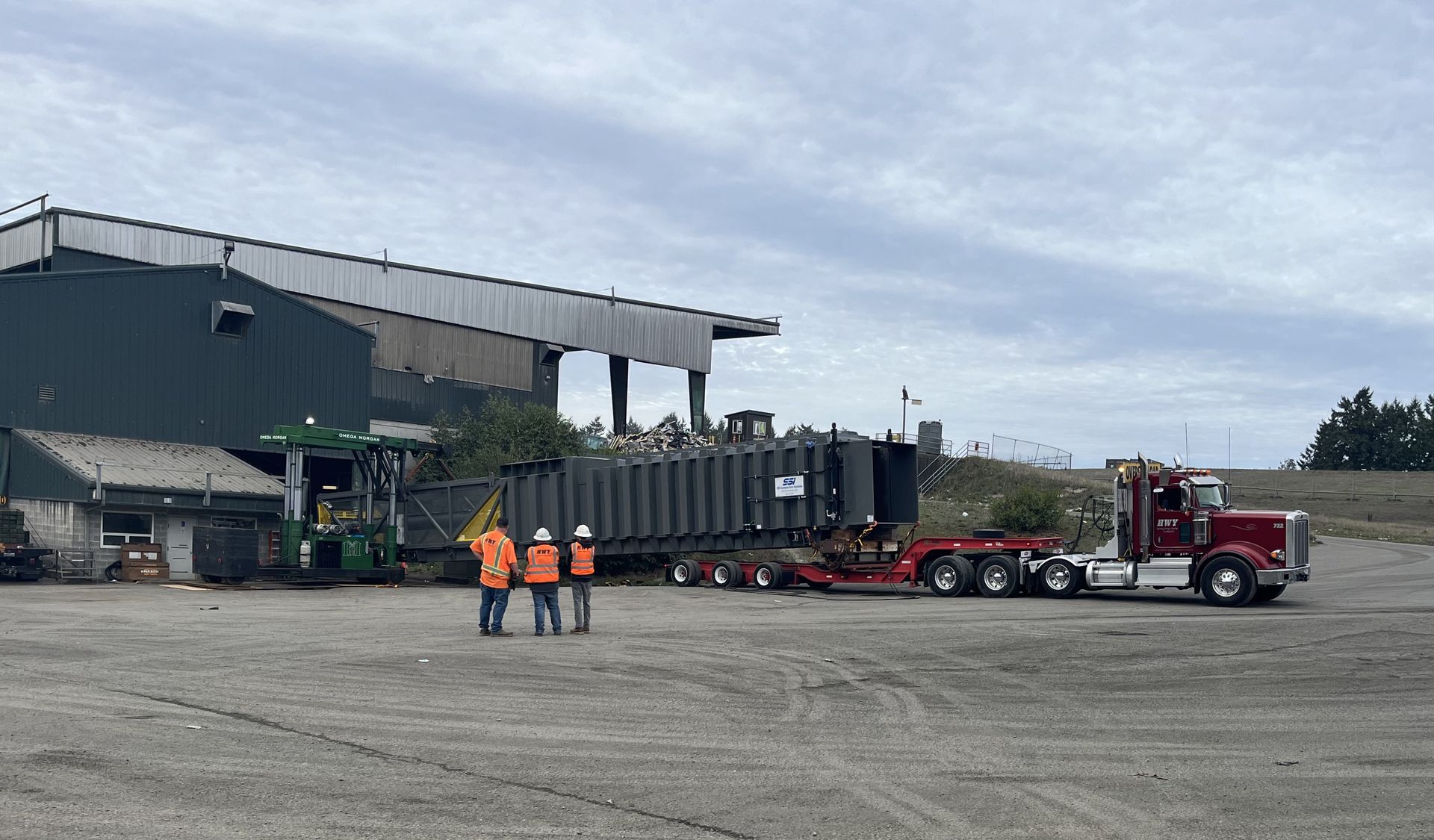
    The compactor at the Waste and Recovery Center (WARC) had reached the end of its service life and was no longer reliable, so it was replaced with a new, more efficient model. 

    Need caption.

    Need caption.

    Need caption.

    Need caption.

    Need caption.

    Fix-It Fair 

    The Fix-It Fair returned in 2025, featuring two impactful events. 


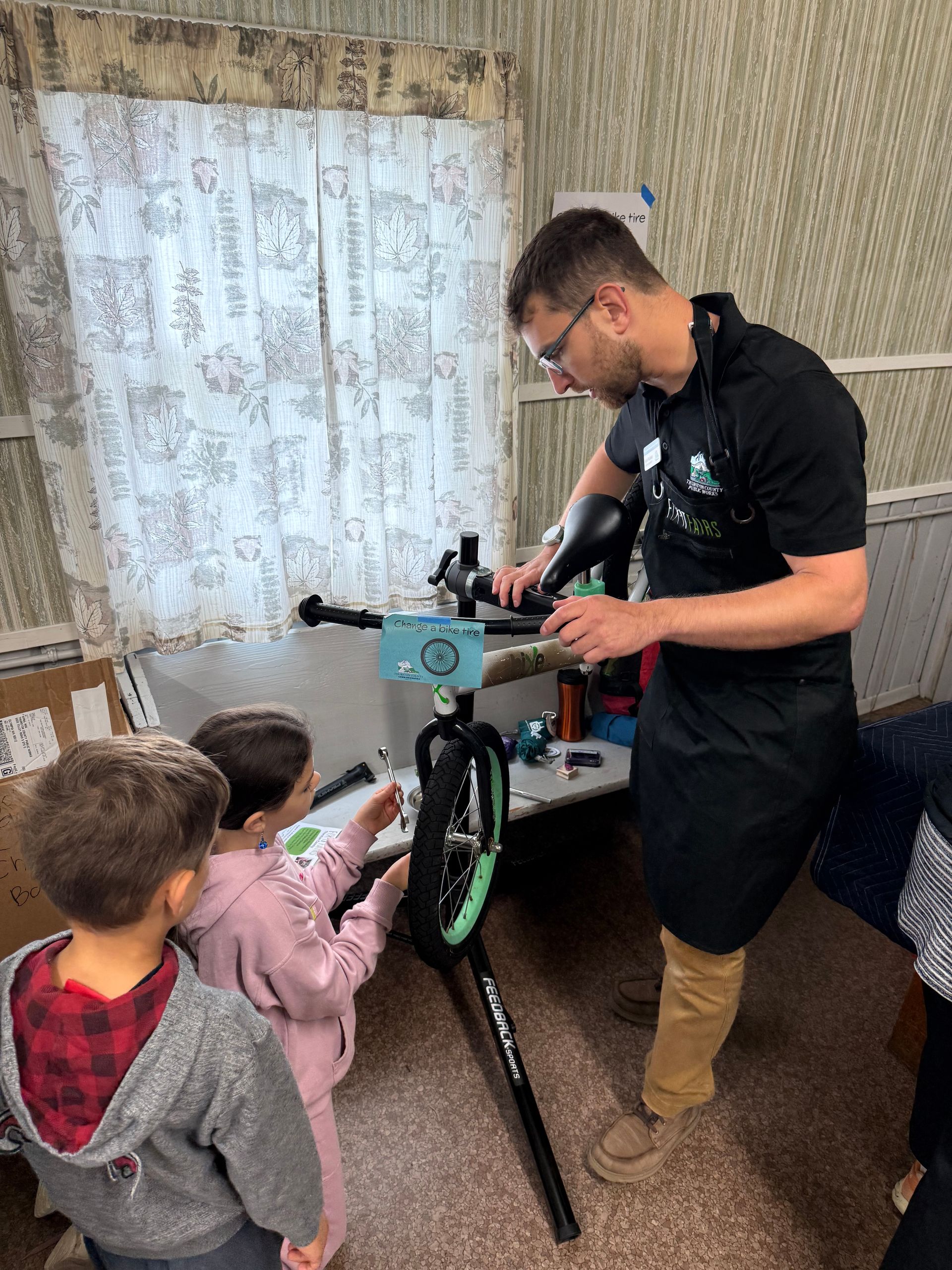
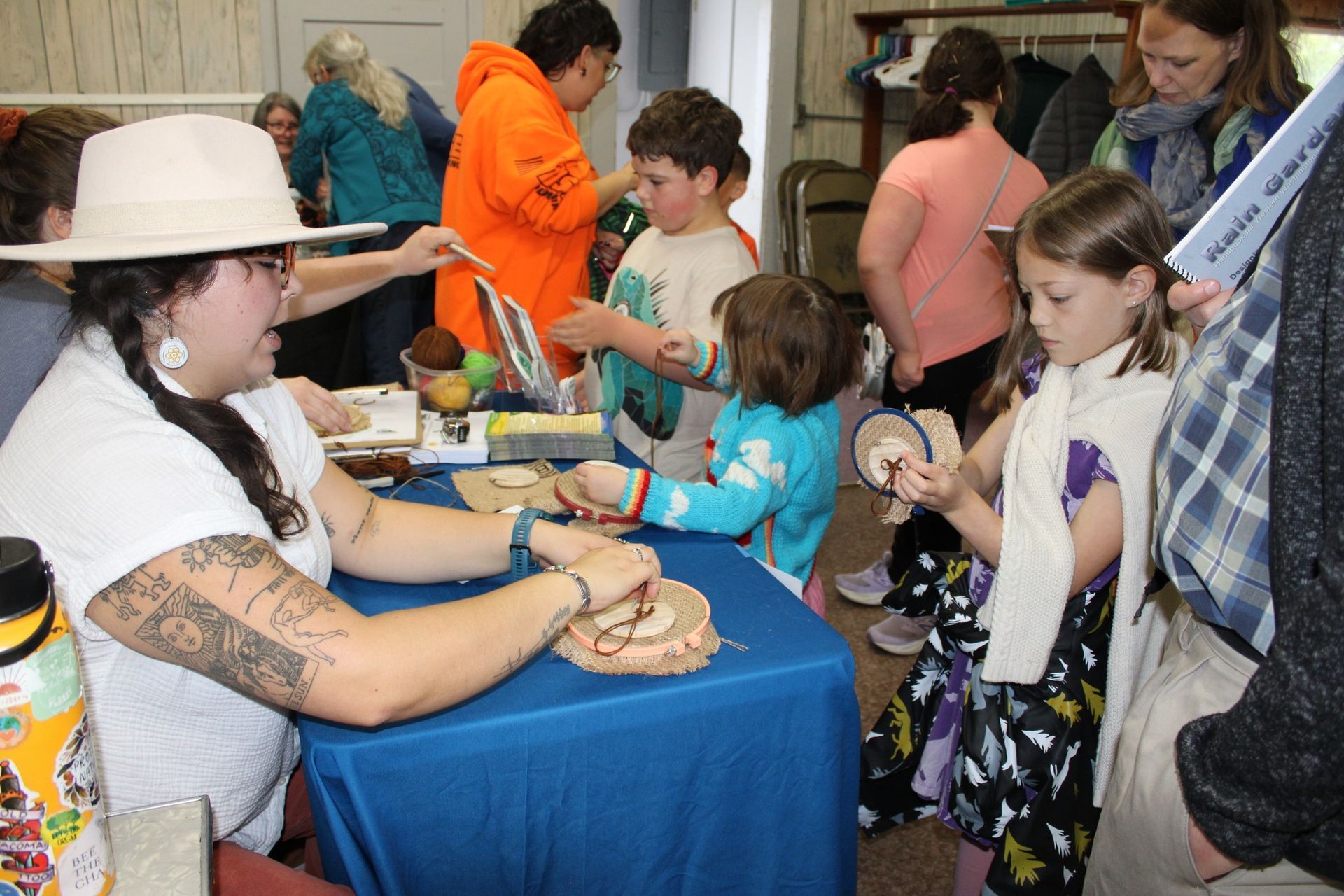
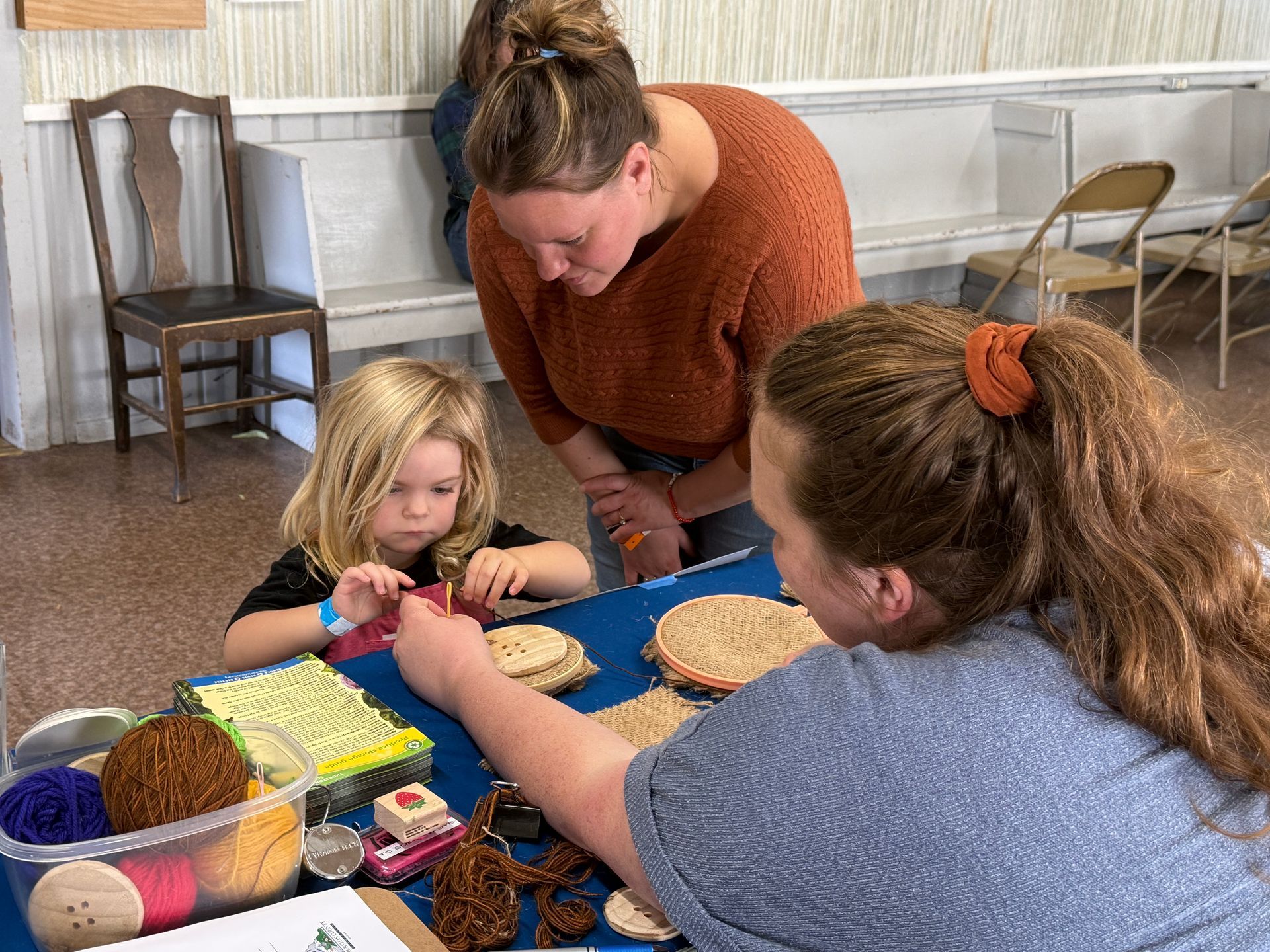
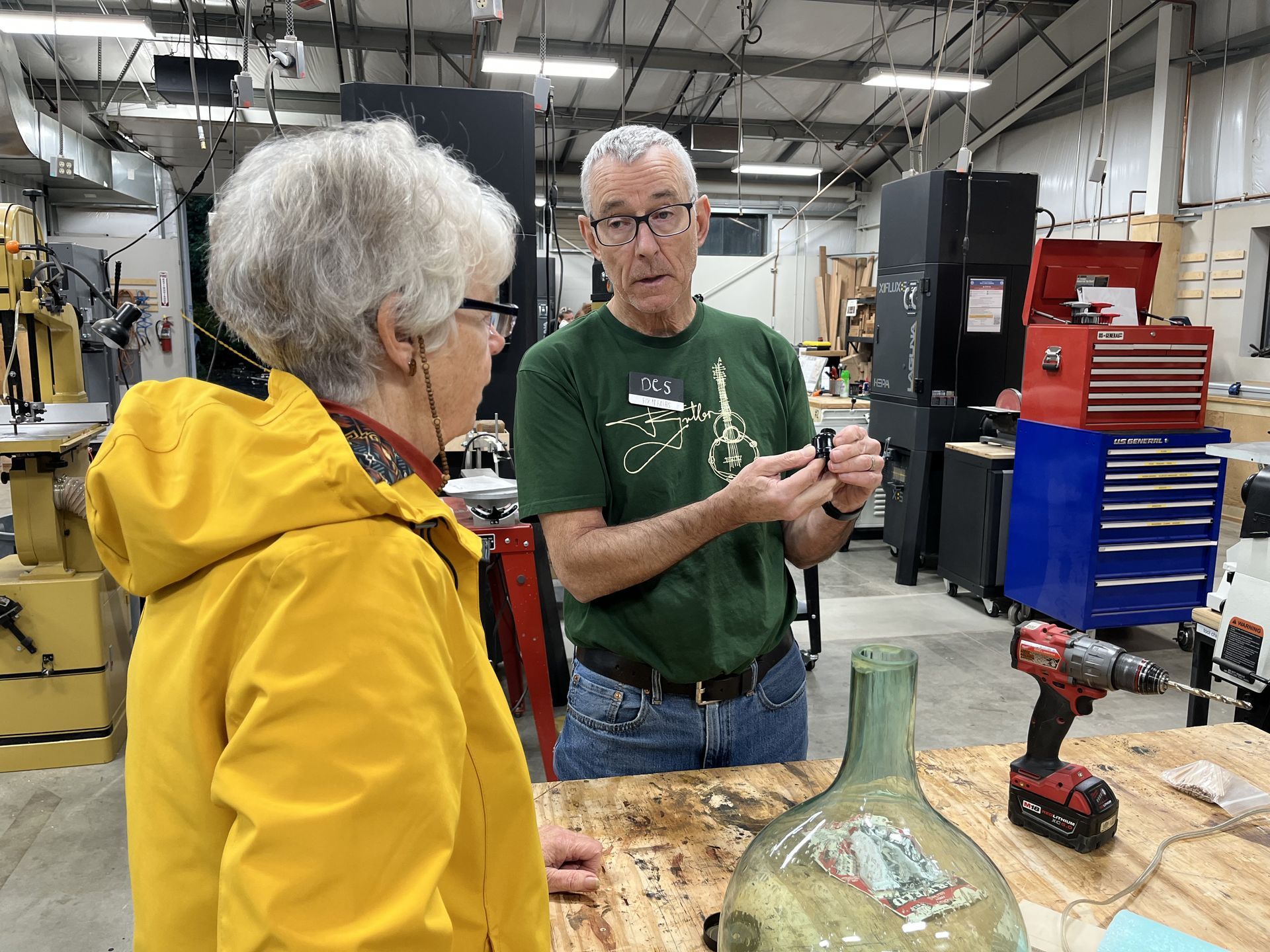
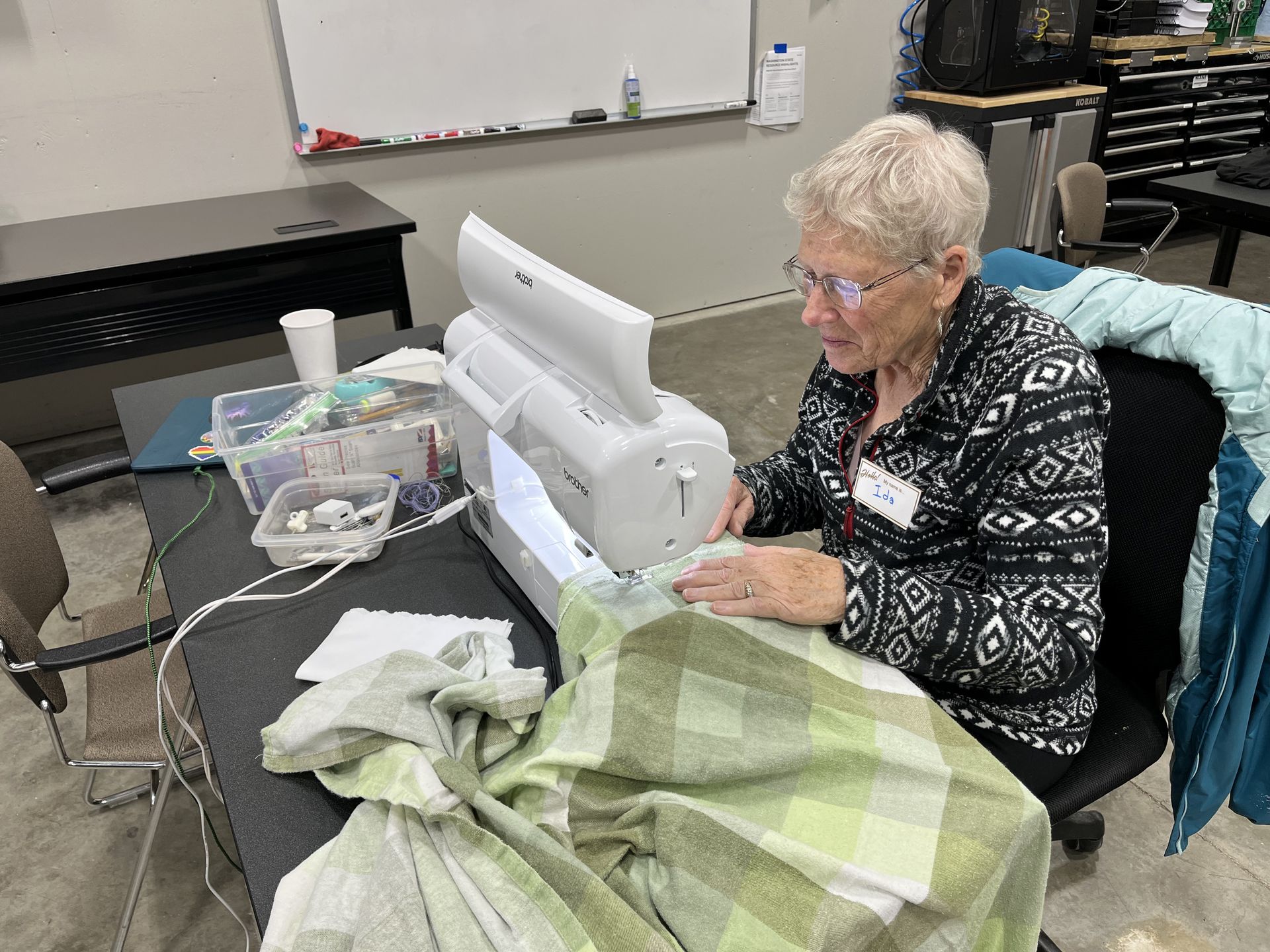
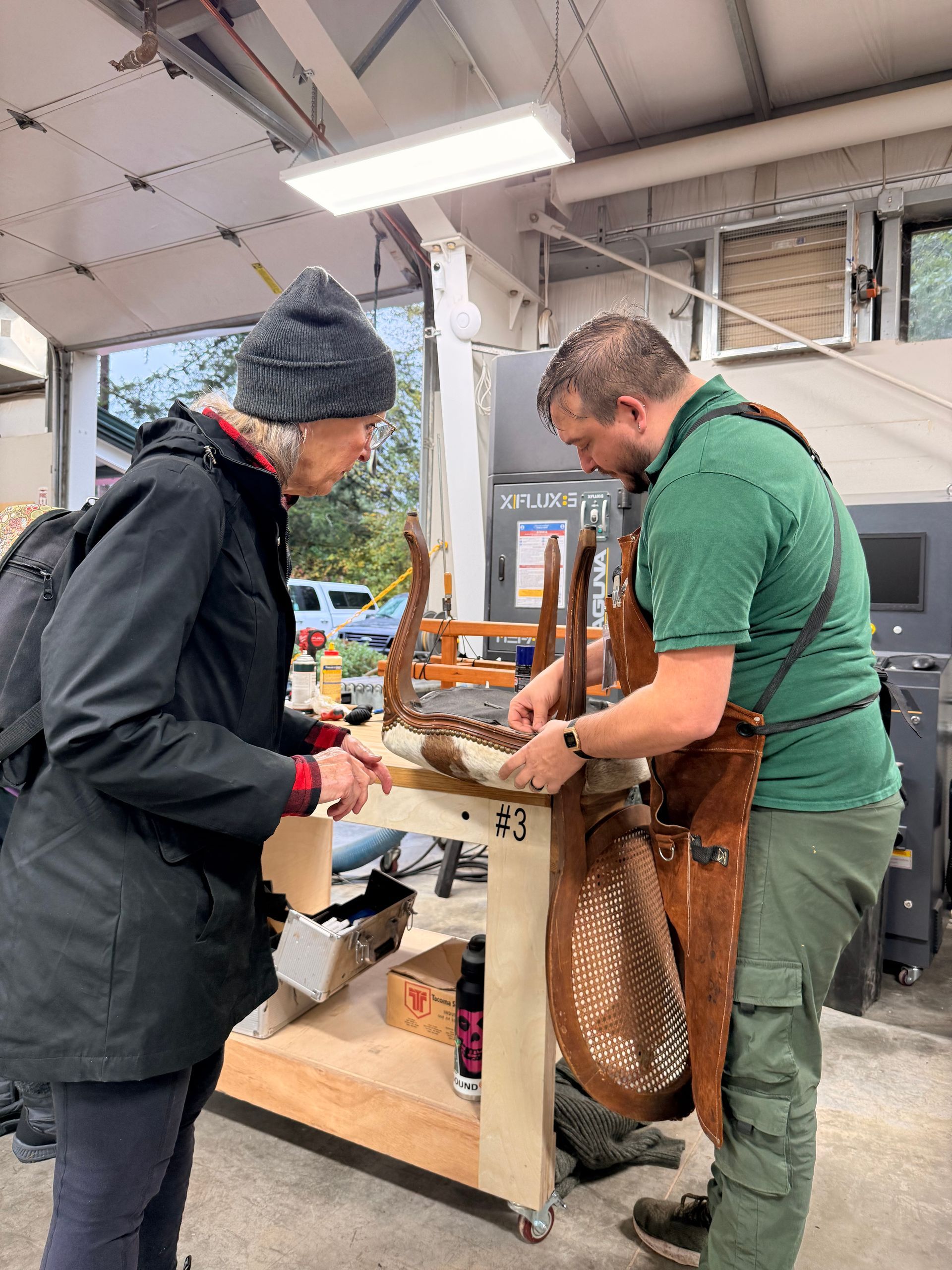
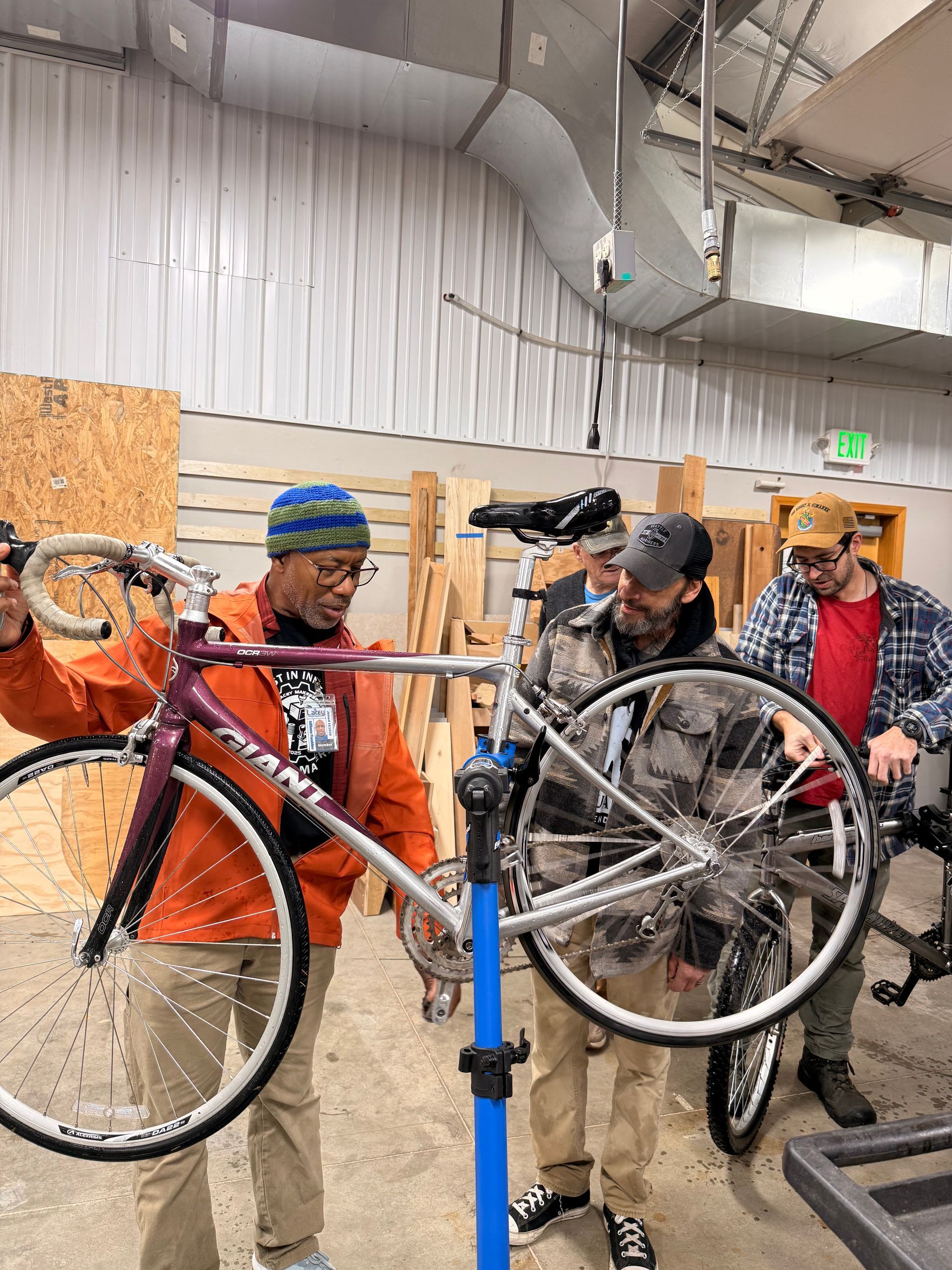
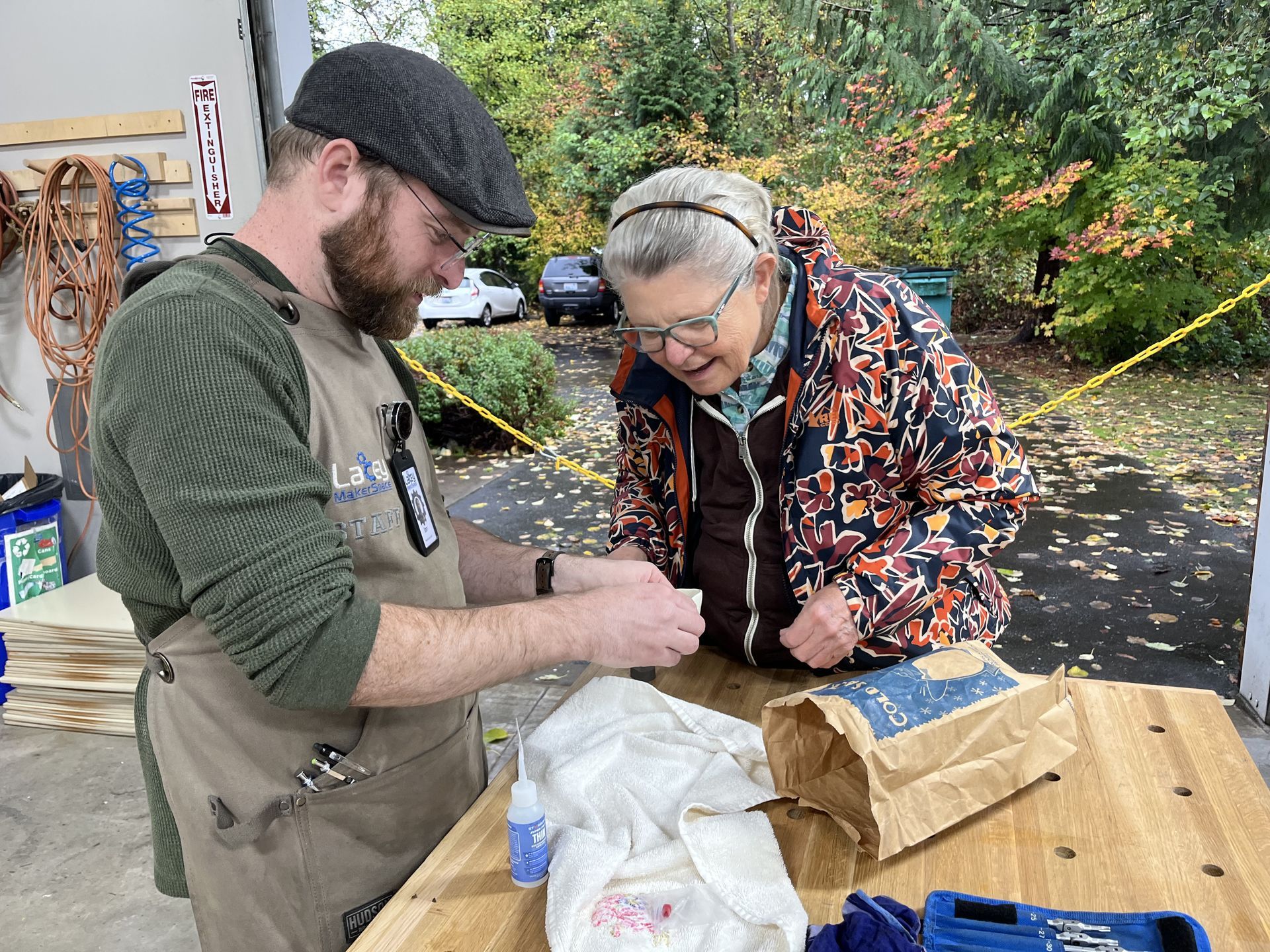
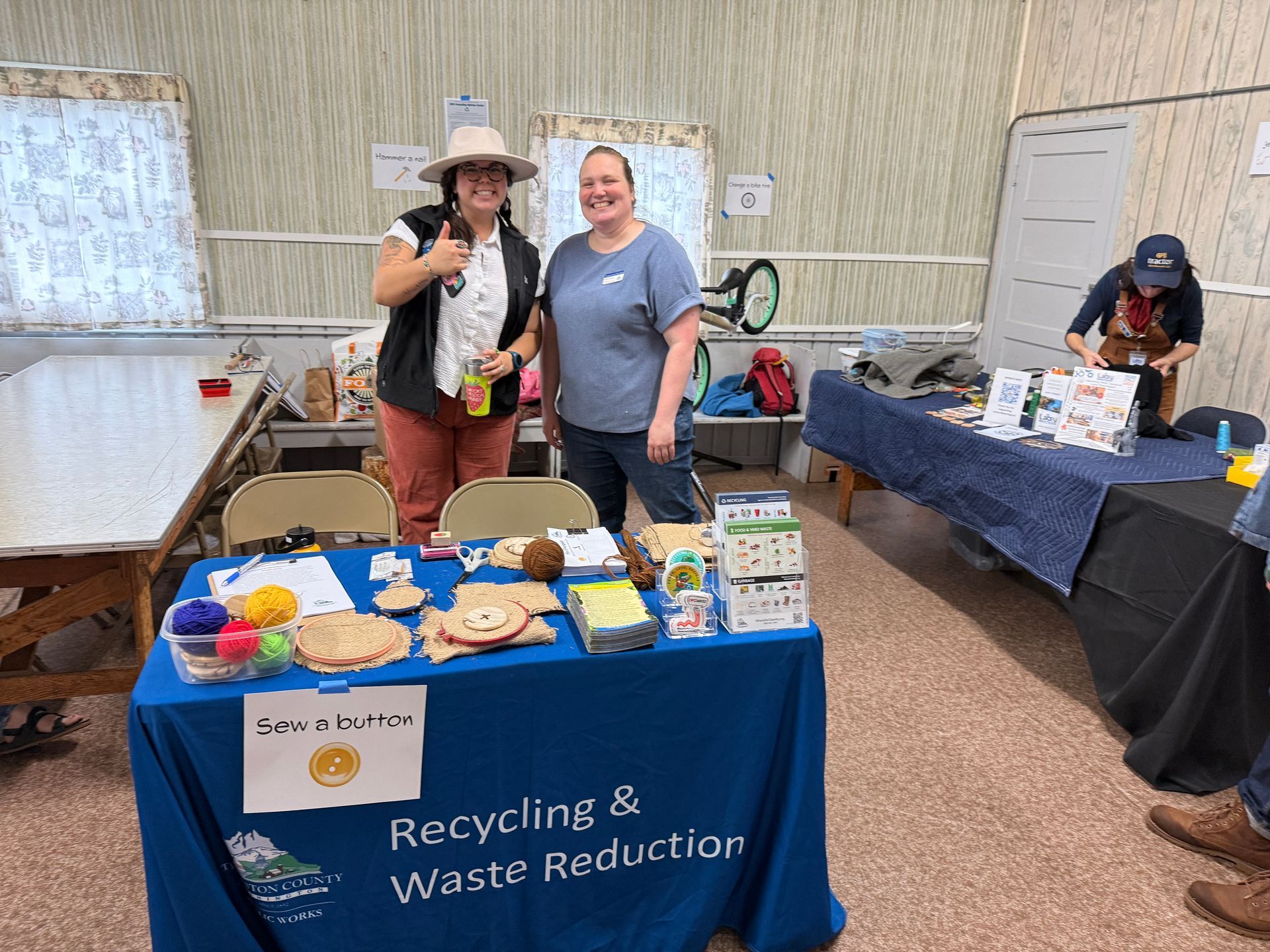
    Fix-It Fairs give the community a chance to bring broken items for repair, helping to reduce waste sent to the landfill. Solid Waste partnered with the Lacey MakerSpace and volunteers to host two successful fairs in 2025. Our April Fix-It Fair was a big success: 77 people checked in and brought 113 items, including small appliances and household tools. By the end of the event, 27 volunteers completed 92 repairs, preventing 794 pounds of material from going to the landfill. In November, 98 community members brought items for repair, and 35 volunteers fixed them. A total of 116 items were fully or partly repaired and kept out of the landfill. Solid Waste plans to hold Fix-It Fairs at least twice a year in the future.

    Need caption.

    Need caption.

    Need caption.

    Need caption.

    Security and Fire Alarm System Replacement 

    The fire and security alarm systems at the Waste and Recovery Center got a much-needed upgrade this year. 


    The old security and fire alarm system was outdated and frequently caused false alarms, leading to unnecessary calls to staff and emergency responders. The panic buttons in the scalehouses were unreliable, putting employees at risk when they needed help quickly. The new system features modern, more dependable equipment that’s easier to operate. The panic buttons work as intended, giving staff peace of mind knowing help is just a button press away. Overall, this upgrade makes the facility safer for everyone, employees and visitors alike, and ensures emergency alerts function correctly when they are needed most.

    Need caption.

    Need caption.

    Need caption.

    Waste and Recovery Center (WARC) Reconfiguration 

    The Waste and Recovery Center is entering a full site reconfiguration to address traffic flow challenges associated with the current design.


    The reconfiguration of the WARC will enhance safety for customers and staff, improve customer service, and lower ongoing maintenance issues. The contracted design-build team is working on an application to the Washington State Project Review Committee for approval to move the project forward. Once approved, the design phase will start. Construction is planned for 2027–2028, though specific dates have not been finalized. The new design features separate tipping areas for private and commercial haulers, better traffic flow, and easier access to recycling and the HazoHouse. 

    Need caption.

    Compactor Replacement

    The compactor at the Waste and Recovery Center (WARC) had reached the end of its service life and was no longer reliable, so it was replaced with a new, more efficient model.

    • Slide title

      Compactor Replacement

      Button
    • Slide title

      Compactor Replacement

      Button

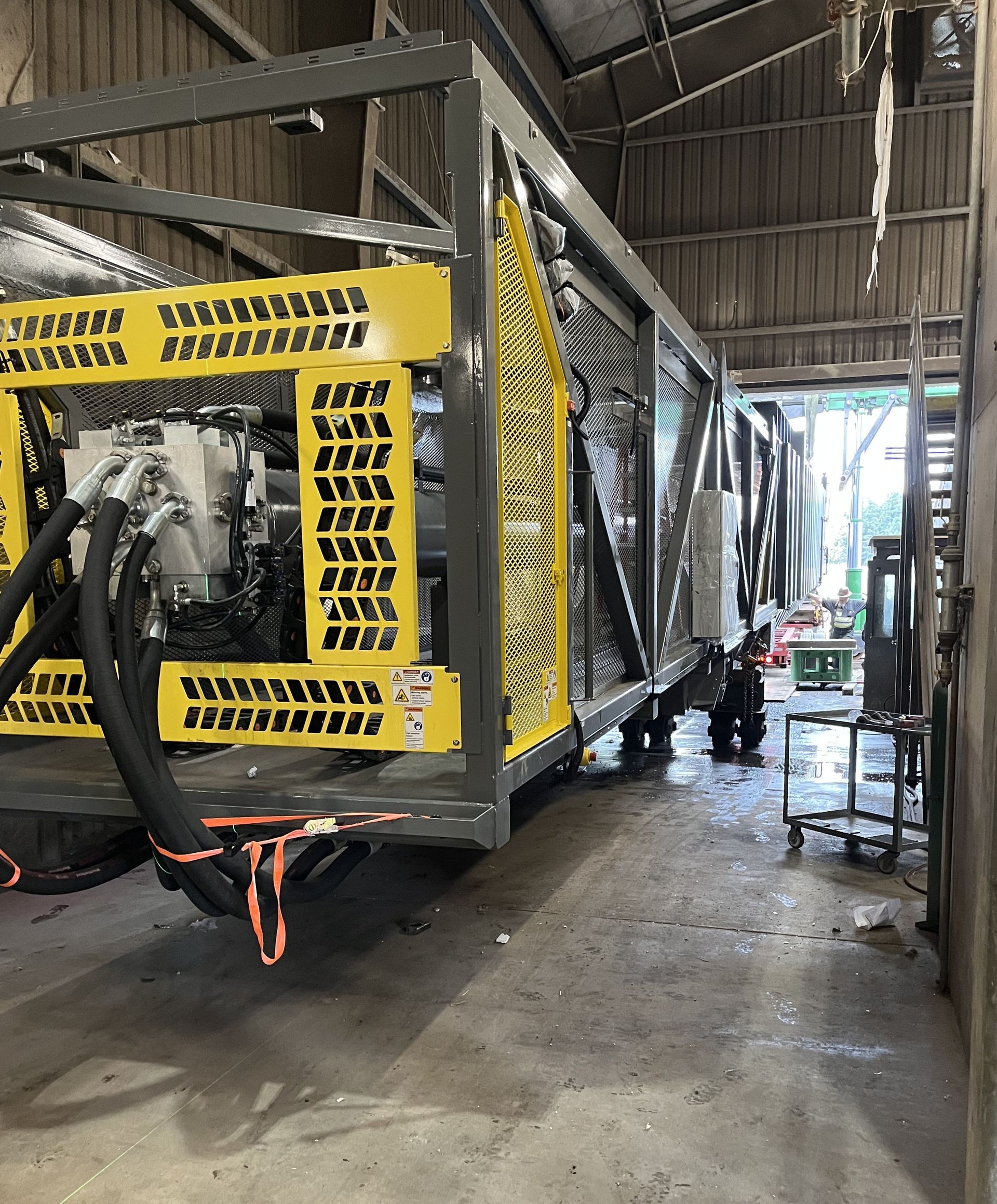
    The WARC compactor is essential equipment that crushes waste into dense bales, which are loaded into shipping containers and transported by highway and rail to the Roosevelt Regional Landfill in eastern Washington. This process improves our operations by reducing the number of trips needed to move waste, saving fuel, and keeping fewer trucks on the road. In mid-November, we installed a new compactor to replace the older unit, which had become increasingly unreliable and sometimes operated above its design capacity. The new compactor weighs 176,000 pounds and can process up to 150 tons of waste per hour. With the WARC managing about 250,000 tons of waste each year, this upgrade greatly enhances efficiency, decreases downtime, and helps the entire facility run more smoothly. Our old compactor will be refurbished as part of the WARC reconfiguration and will serve as assistance during busy times and as a backup during maintenance. The total project cost was approximately $2.9 million.

    Security and Fire Alarm System Replacement

    The fire and security alarm systems at the Waste and Recovery Center got a much-needed upgrade this year.

      The old security and fire alarm system was outdated and frequently caused false alarms, leading to unnecessary calls to staff and emergency responders. The panic buttons in the scalehouses were unreliable, putting employees at risk when they needed help quickly. The new system features modern, more dependable equipment that’s easier to operate. The panic buttons work as intended, giving staff peace of mind knowing help is just a button press away. Overall, this upgrade makes the facility safer for everyone, employees and visitors alike, and ensures emergency alerts function correctly when they are needed most.

      Waste and Recovery Center (WARC) Reconfiguration

      The Waste and Recovery Center is entering a full site reconfiguration to address traffic flow challenges associated with the current design.

        The reconfiguration of the WARC will enhance safety for customers and staff, improve customer service, and lower ongoing maintenance issues. The contracted design-build team is working on an application to the Washington State Project Review Committee for approval to move the project forward. Once approved, the design phase will start. Construction is planned for 2027–2028, though specific dates have not been finalized. The new design features separate tipping areas for private and commercial haulers, better traffic flow, and easier access to recycling and the HazoHouse.

        Fix-It Fair 

          Fix-It Fairs give the community a chance to bring broken items for repair, helping to reduce waste sent to the landfill. Solid Waste partnered with the Lacey MakerSpace and volunteers to host two successful fairs in 2025. Our April Fix-It Fair was a big success: 77 people checked in and brought 113 items, including small appliances and household tools. By the end of the event, 27 volunteers completed 92 repairs, preventing 794 pounds of material from going to the landfill. In November, 98 community members brought items for repair, and 35 volunteers fixed them. A total of 116 items were fully or partly repaired and kept out of the landfill. Solid Waste plans to hold Fix-It Fairs at least twice a year in the future.


          Water Resources

          The Water Resources Division oversees the county’s stormwater, water, and sewer systems to ensure water quality, reduce flooding, and supply safe, dependable drinking water. The division also includes the Noxious Weeds work group, which aims to protect farmland, natural areas, and local infrastructure from invasive plants that can cause harm. These programs help maintain healthy and resilient communities and environment.

          • Slide title

            Write your caption here
            Button
          • Slide title

            Write your caption here
            Button
          • Slide title

            Write your caption here
            Button
          • Slide title

            Write your caption here
            Button
          • Slide title

            Write your caption here
            Button
          • Slide title

            Write your caption here
            Button
          • Slide title

            Write your caption here
            Button
          • Slide title

            Write your caption here
            Button

          Water Resources

          The Water Resources Division oversees the county’s stormwater, water, and sewer systems to ensure water quality, reduce flooding, and supply safe, dependable drinking water. The division also includes the Noxious Weeds work group, which aims to protect farmland, natural areas, and local infrastructure from invasive plants that can cause harm. These programs help maintain healthy and resilient communities and environment.

          • Slide title

            Write your caption here
            Button
          • Slide title

            Write your caption here
            Button
          • Slide title

            Write your caption here
            Button
          • Slide title

            Write your caption here
            Button
          • Slide title

            Write your caption here
            Button

          Work Groups

          Stormwater Utility

          The Stormwater Utility work group oversees all aspects of the county’s stormwater system, from long-term planning to ensuring compliance with state and federal regulations. They review development plans, inspect systems before and after construction, and examine developments, subdivisions, and businesses to verify proper functioning. They also maintain stormwater infrastructure, provide technical support, and plan capital projects.

          Water & Sewer Utilities

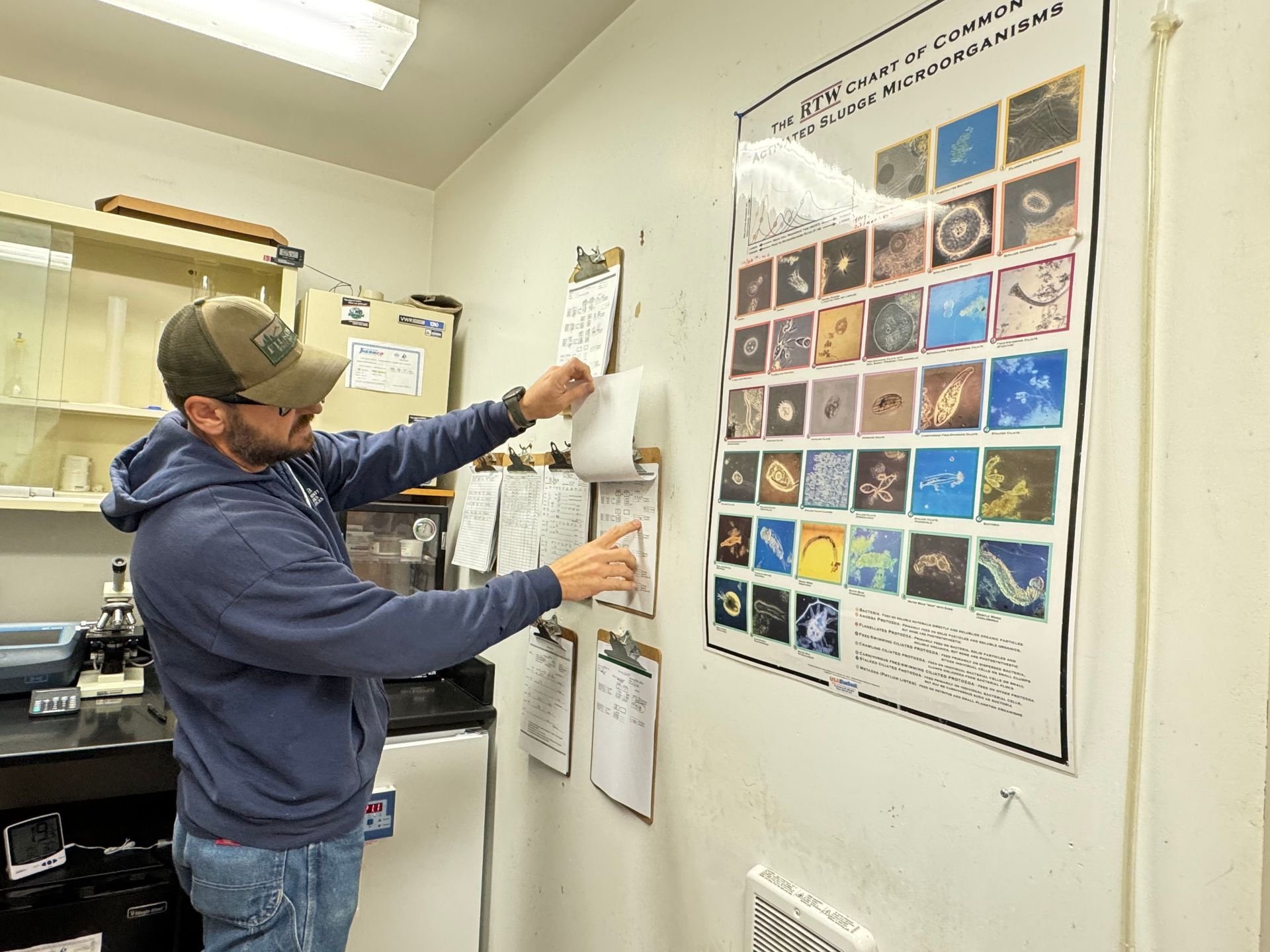
          The Water & Sewer Utilities work group provides drinking water and wastewater services to over 850 homes and businesses in the county. The team operates three water systems with five wells, three wastewater treatment plants, and a large on-site septic system. These services support the communities of Boston Harbor, Grand Mound, Olympic View, and Tamoshan.

          Noxious Weeds

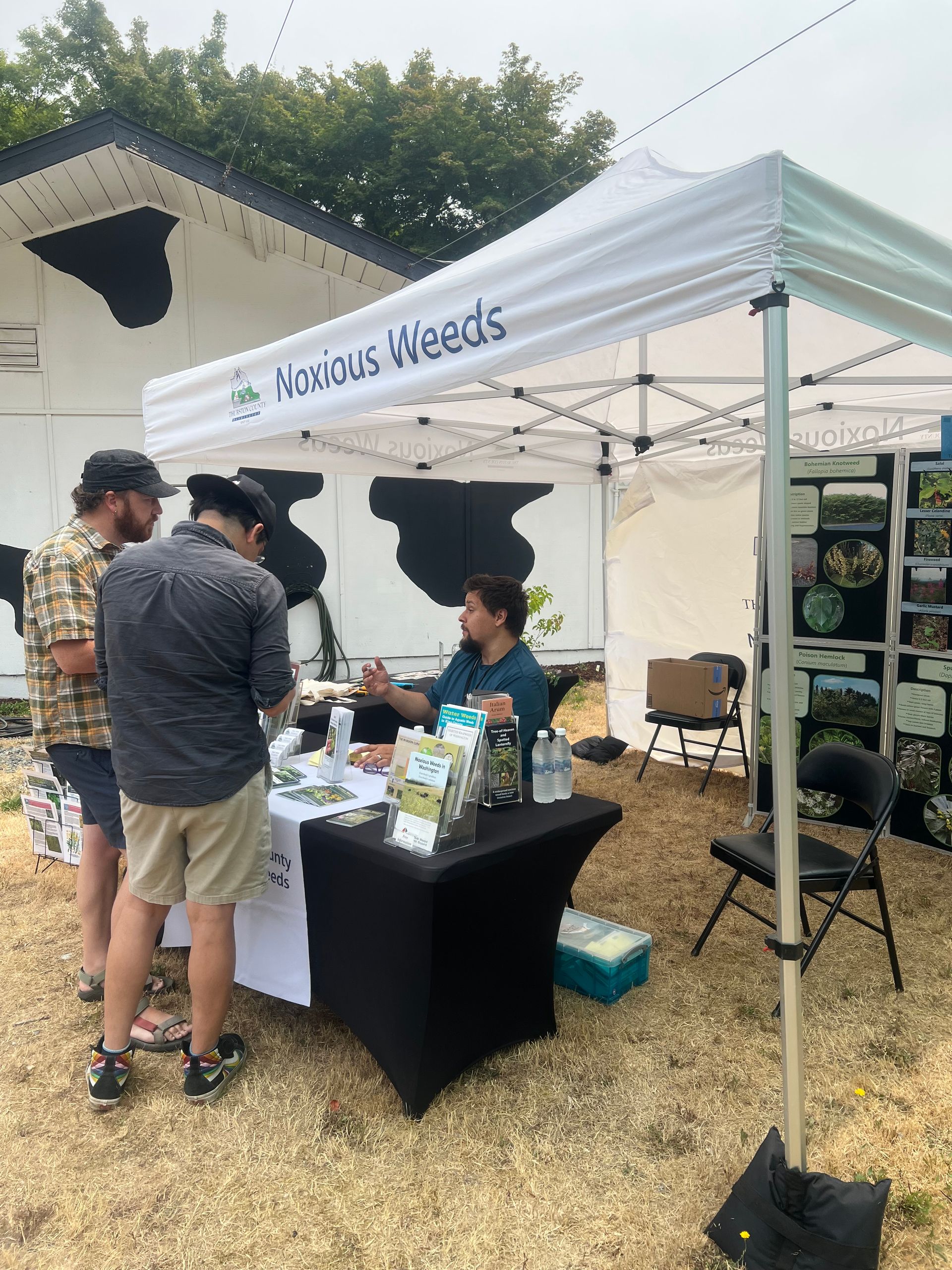
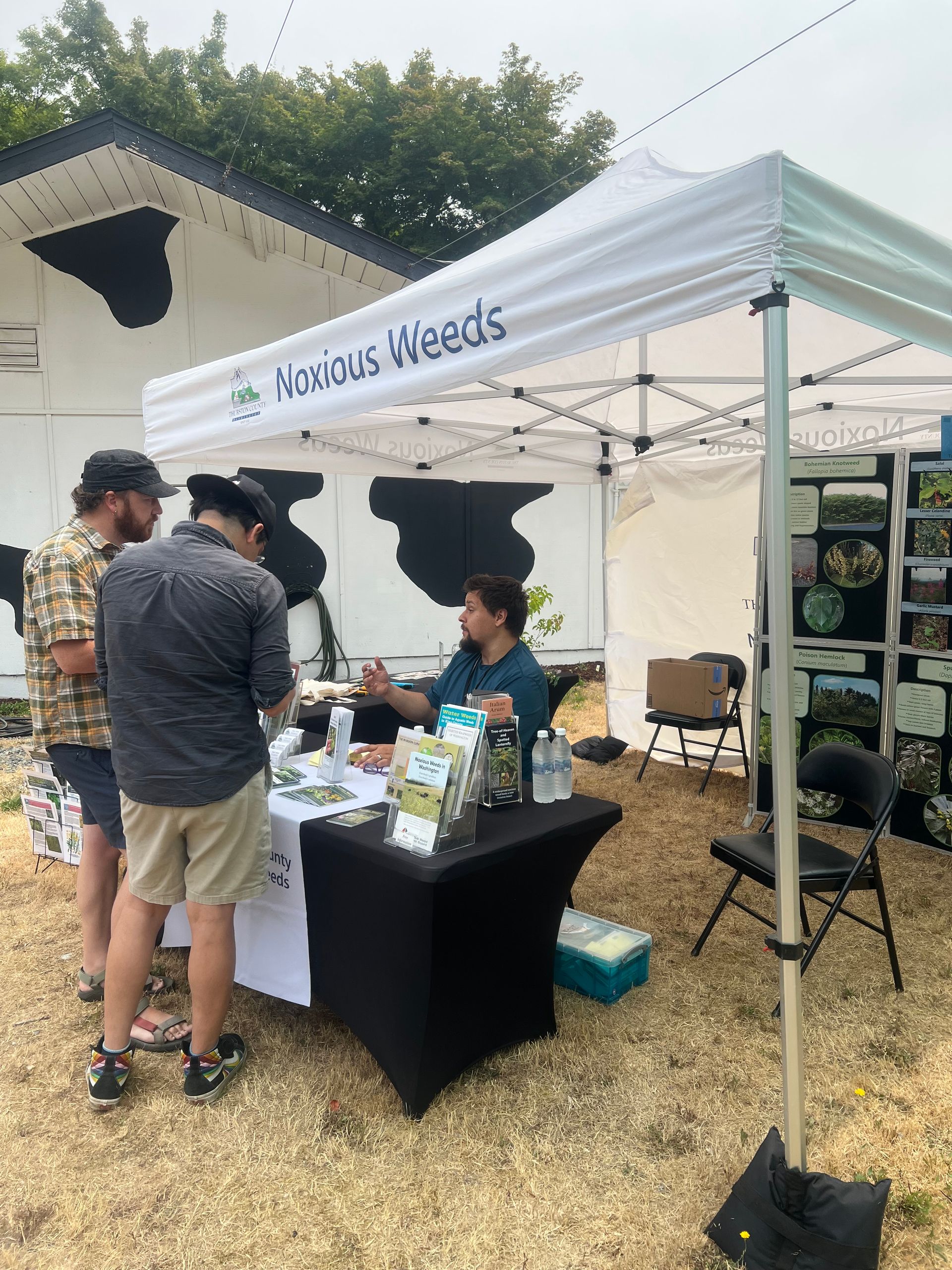
          The Noxious Weeds work group implements the work plan of the Thurston County Noxious Weed Control Board. They assist property owners throughout the county in managing invasive weeds. Their efforts protect water quality, human health, native plants, wildlife habitat, farmland, and recreation areas.

          Stormwater Utility

          The Stormwater Utility work group oversees all aspects of the county’s stormwater system, from long-term planning to ensuring compliance with state and federal regulations. They review development plans, inspect systems before and after construction, and examine developments, subdivisions, and businesses to verify proper functioning. They also maintain stormwater infrastructure, provide technical support, and plan capital projects.

          Water & Sewer Utilities

          The Water & Sewer Utilities work group provides drinking water and wastewater services to over 850 homes and businesses in the county. The team operates three water systems with five wells, three wastewater treatment plants, and a large on-site septic system. These services support the communities of Boston Harbor, Grand Mound, Olympic View, and Tamoshan.

          Noxious Weeds

          The Noxious Weeds work group implements the work plan of the Thurston County Noxious Weed Control Board. They assist property owners throughout the county in managing invasive weeds. Their efforts protect water quality, human health, native plants, wildlife habitat, farmland, and recreation areas.

          Stormwater Utility - By the Numbers

          743

          Private development infrastructure stormwater assets inspected

          4,889 Catch basins/manholes

          6,700 or 94.5 miles of Culverts/pipes

          3,593 or 112.7 miles of Ditches/swales

          969 Ponds

          37 Permeable pavements

          9,069

          Public infrastructure stormwater assets inspected

          2,717  Catch basins/manholes

          3,775 Culverts/pipes

          4,211 Ditches/swales

          62  Ponds

          8  Permeable pavements

          32 Bioretention

          705 Curb Cuts

          158 Outfalls

          920

          Stormwater assets mapped

          24

          Sediment and erosion control inspections for residential and commercial projects

          10,292

          Utility location requests processed

          6,275

          Linear feet of CCTV inspections on pipe systems and culverts

          Project Highlights

          Need captions.

          Culvert Replacement Program

          Thurston County owns and manages 3,200 culverts, many of which are aging, failing, or impeding fish passage. 


          The Culvert Replacement Program focuses on infrastructure nearing the end of its lifespan and aims to proactively retrofit or repair culverts. It targets culverts that wouldn't typically be addressed through maintenance or fish passage projects. By proactively prioritizing and repairing aging infrastructure, Public Works protects water quality, reduces localized flooding risks, and minimizes the chances of unplanned road closures. 

          Need captions.

          Need caption.

          Need caption.

          Comprehensive Study

          In 2025, the county completed its first comprehensive study of the stormwater utility.


          This comprehensive study guides the direction of the utility over the next five years and sets the stage for a stormwater rate modeling study planned for completion in late summer 2026. The study examined utility goals, regulatory requirements, current rates and financial policies, capital planning, asset management, and the potential impacts of climate change on stormwater infrastructure. It also provided recommendations for future staffing, funding, and resource needs. This effort helped us evaluate our programs to ensure regulatory compliance and continue serving our community effectively. Based on the recommendations, Public Works began a stormwater rate modeling effort with a consultant, which is expected to be completed in 2026.

          Need caption.

          Need captions.

          Need caption.

          US Hwy 101 Schneider Creek Stormwater Project 

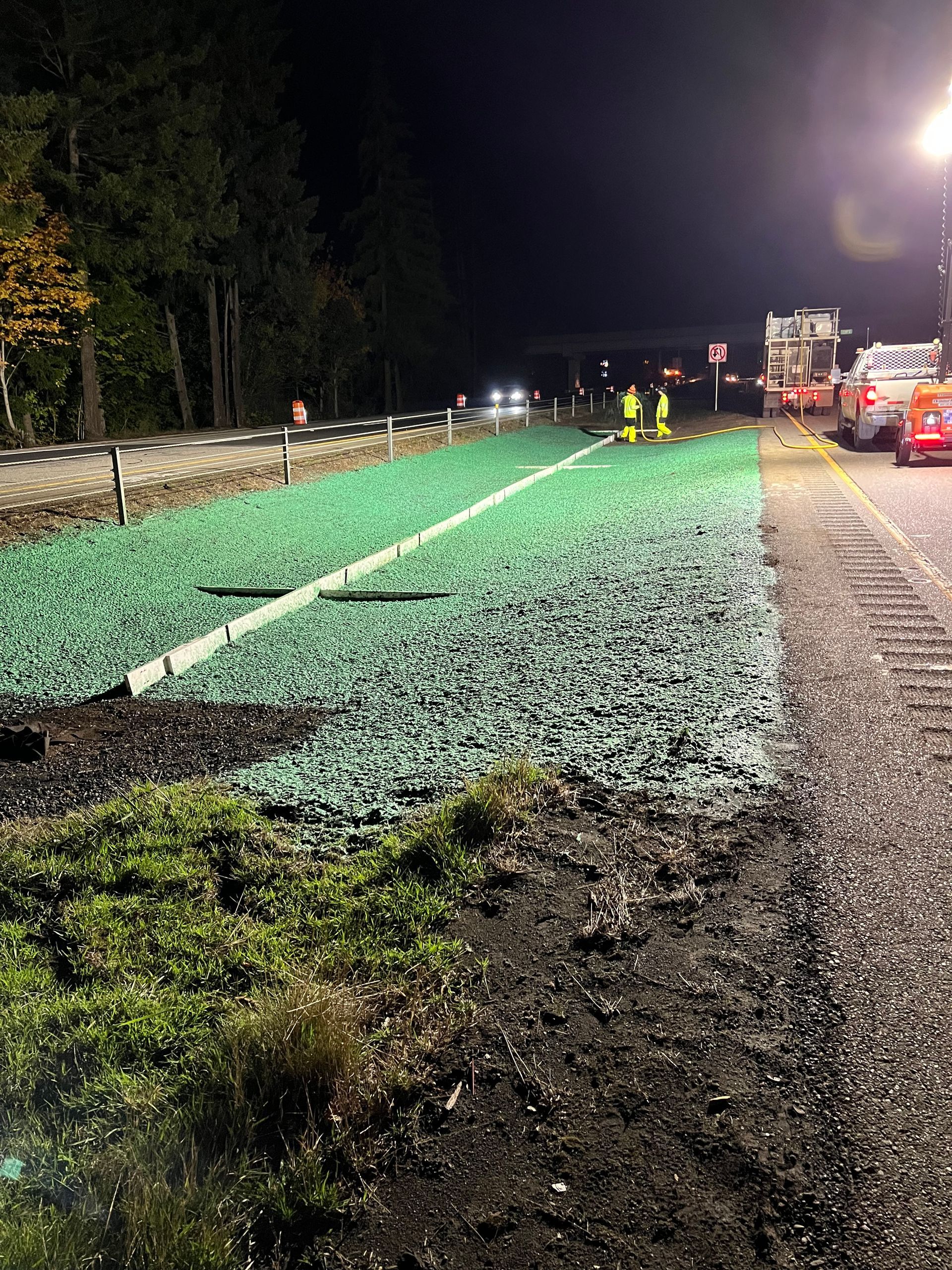
          The US Hwy 101 Schneider Creek stormwater project was successfully completed, adding biofiltration swales along the highway shoulders. Large grass patches were installed to filter and treat stormwater from US 101 before it reaches Schneider Creek. This project makes significant progress toward protecting this waterway from pollutants and supporting healthy stream habitats for fish and wildlife.

          Need caption.

          Water & Sewer Utilities - By the Numbers

          7

          Total active Water & Sewer Utilities Projects

          113,645,324*

          Public infrastructure stormwater assets inspected

          83,040,743

          Gallons of wastewater treated

          Project Highlights
          Need caption.

          Need caption.

          Water and Sewer Capital Planning

          Public Works has finalized the Grand Mound General Sewer and Wastewater Facility Plan. This plan identified the need to upgrade the Grand Mound Wastewater Treatment Plant (WWTP) to boost its capacity to support growth in the Grand Mound Urban Growth Area (UGA). This upgrade is part of the Grand Mound Phase 1 WWTP Improvement Project, which is currently in design and slated for construction in 2027.

          Need caption.

          Need caption.

          Need captions.

          Tamoshan Well

          Public Works is building a new well for the Tamoshan community. The team has finished securing the site and is now progressing with construction. This new well will replace the existing one, which has raised concerns about water quality. Although the current water meets regulatory standards, our team remains dedicated to providing safe, reliable drinking water and proactively tackling potential issues.

          Need captions.

          Safety and Security

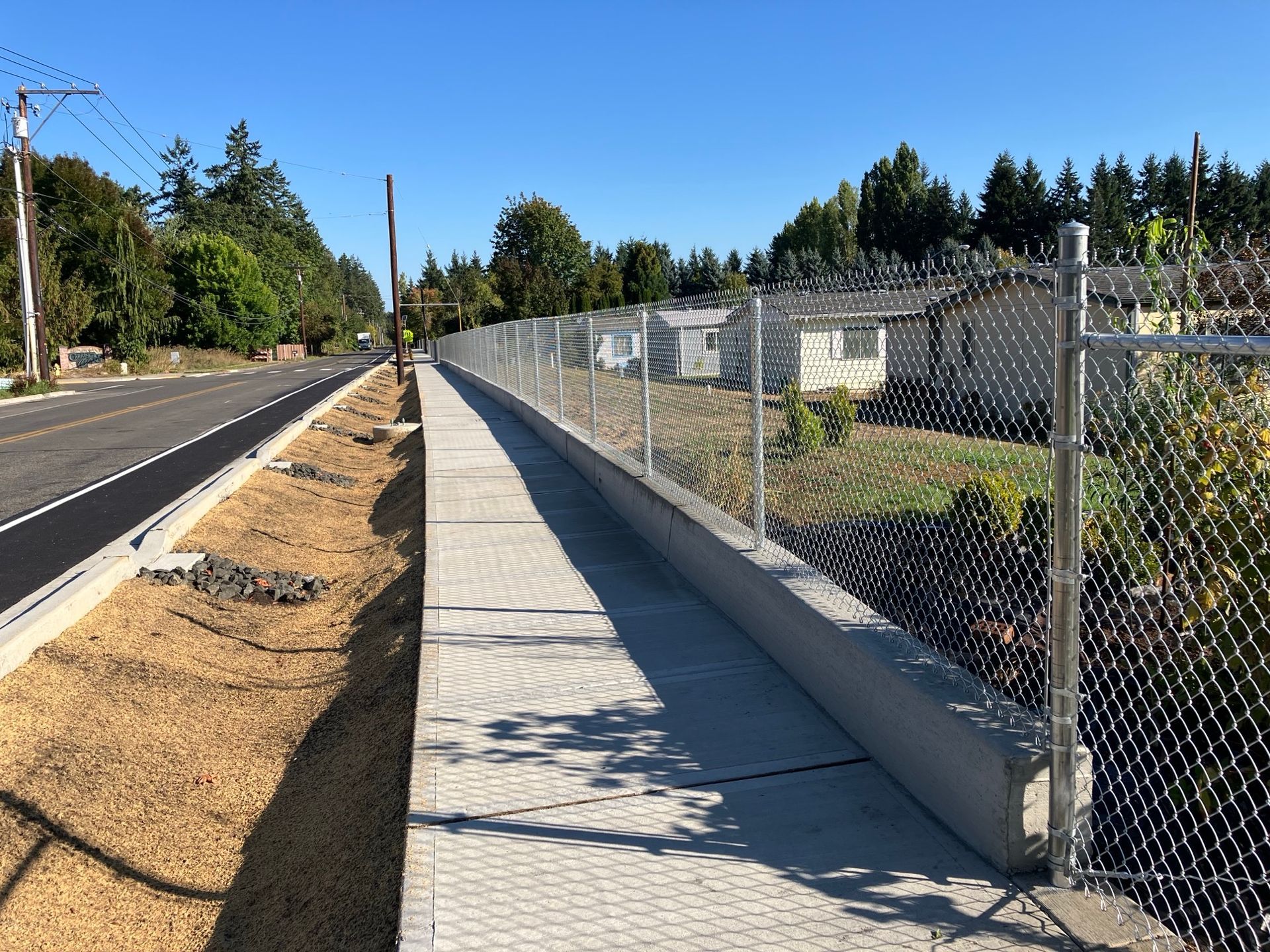
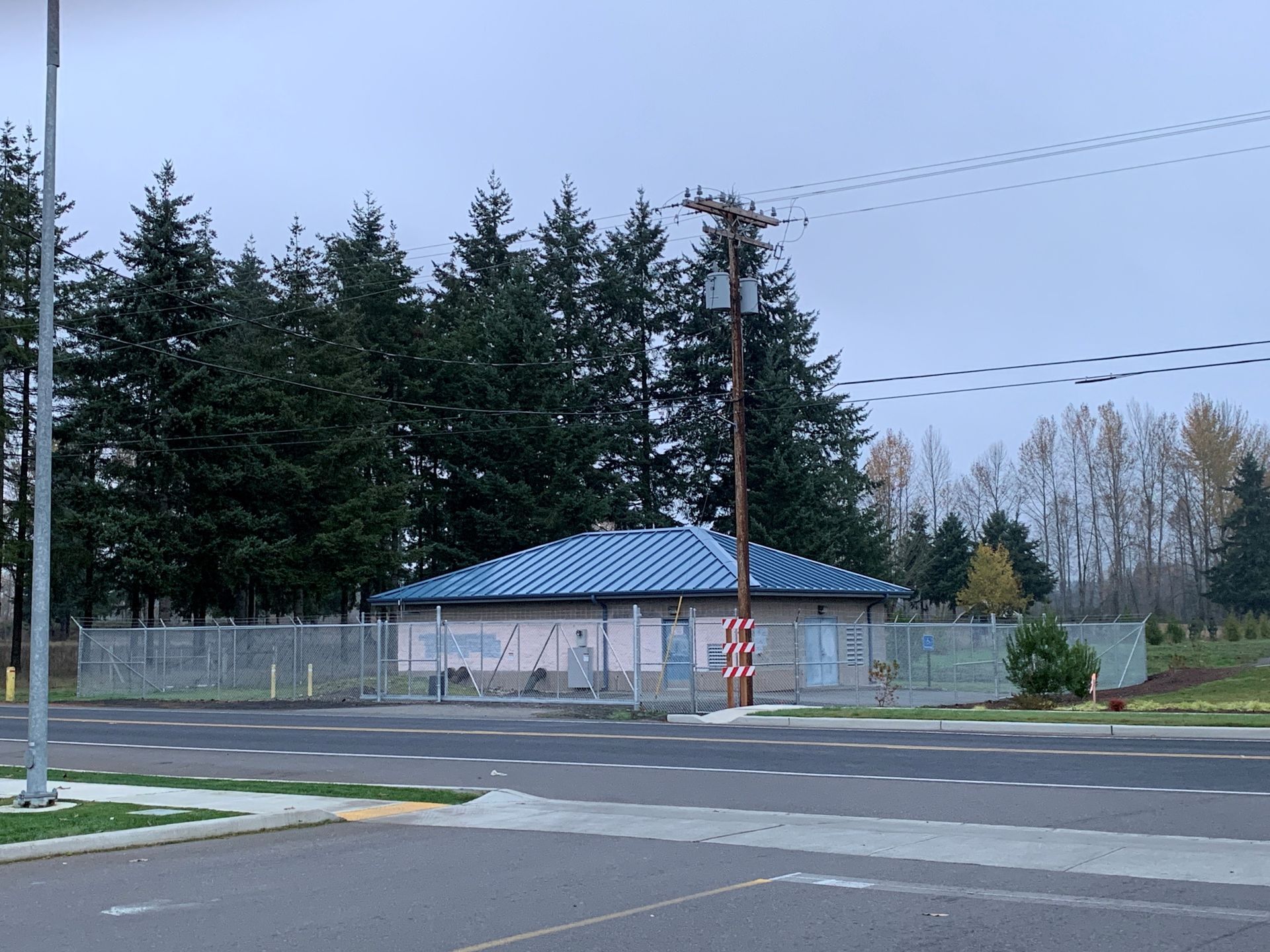
          Public Works added fencing to three existing utility facilities. The fencing improves security and guards the facilities, decreasing the risk of service interruptions.

          Need captions.

          Need captions.

          SCADA

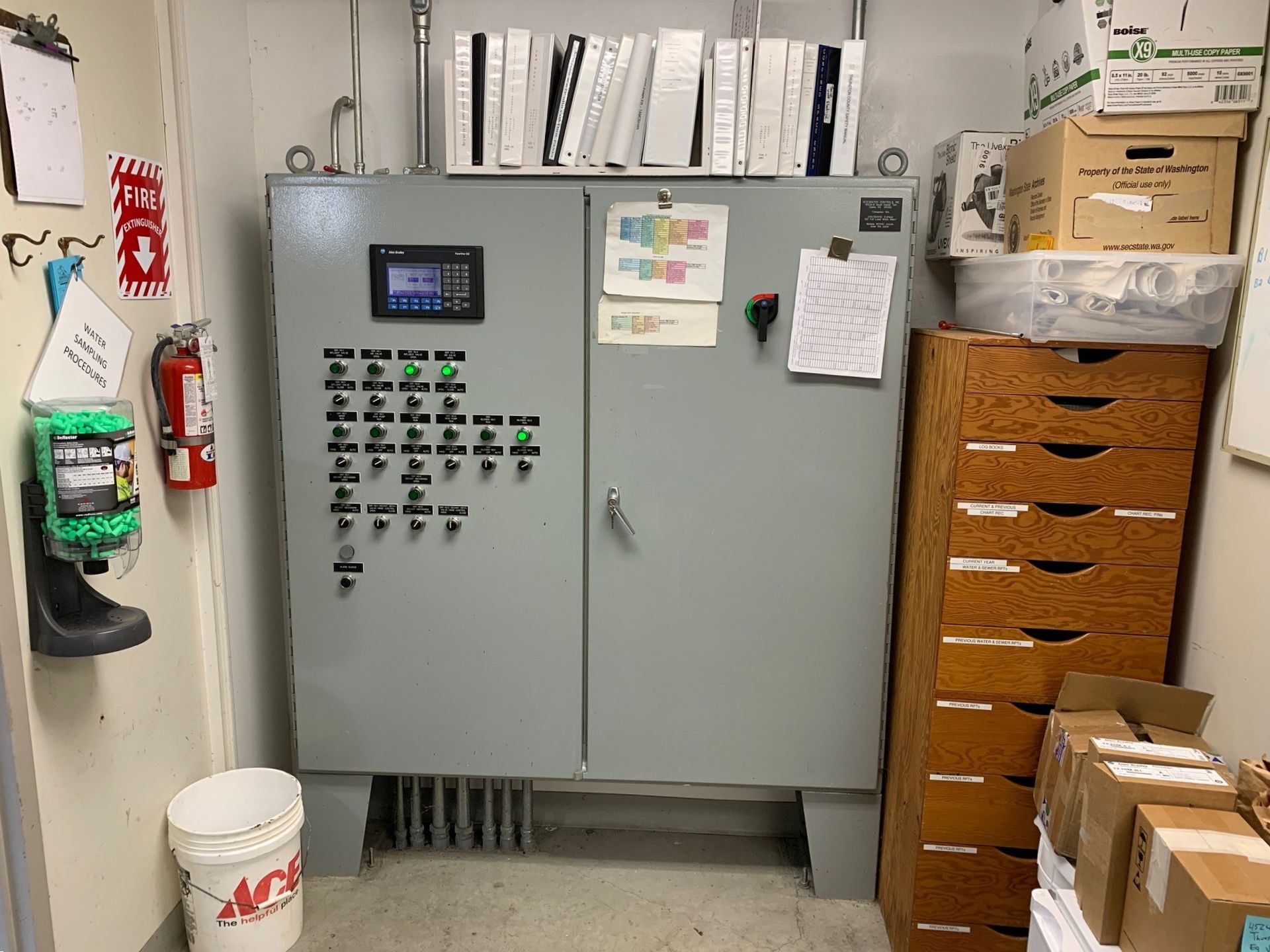
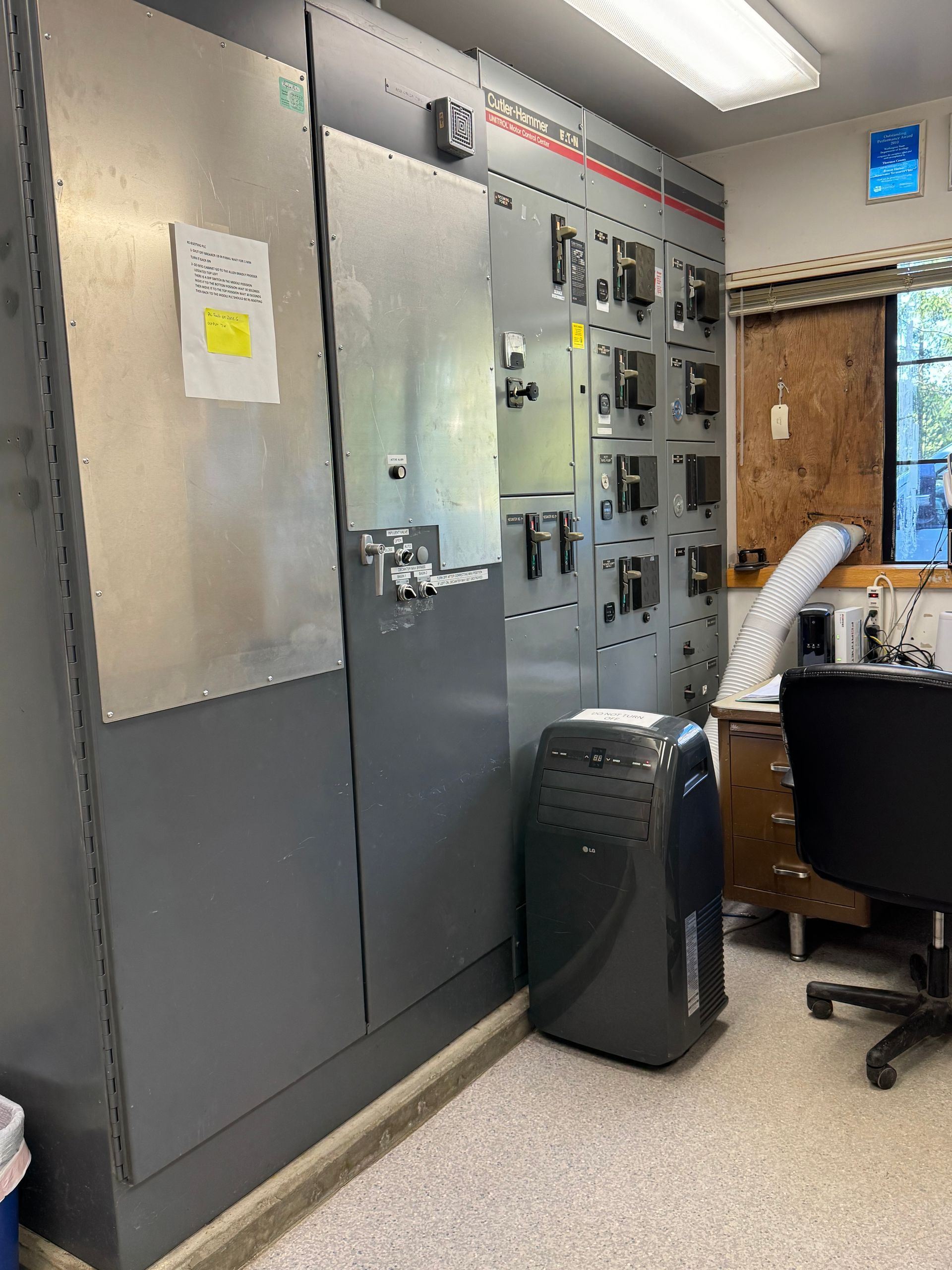
          Public Works upgraded the Supervisory Control and Data Acquisition (SCADA) systems at each of the county’s wastewater treatment plants. These upgrades improve operational reliability, enable staff to monitor systems more effectively, and ensure safe, consistent wastewater treatment for the community.

          Noxious Weeds Highlights

          Noxious Weeds collaborated closely with the Noxious Weed Board to set priorities, conducted countywide inspections, helped landowners meet control requirements, surveyed and treated roadsides, and offered education and technical support to residents. In 2025, staff monitored 50 listed species, identified two new or recently listed weeds (delta arrowhead and blueweed), engaged 1,300 residents at nine events, and distributed over 2,000 educational materials. The team also coordinated and, in some cases, assisted with seven complex waterway projects on local rivers and lakes to ensure effective treatment and permit compliance.
          Need caption.

          Need caption.

          Noxious Weeds - Rivers

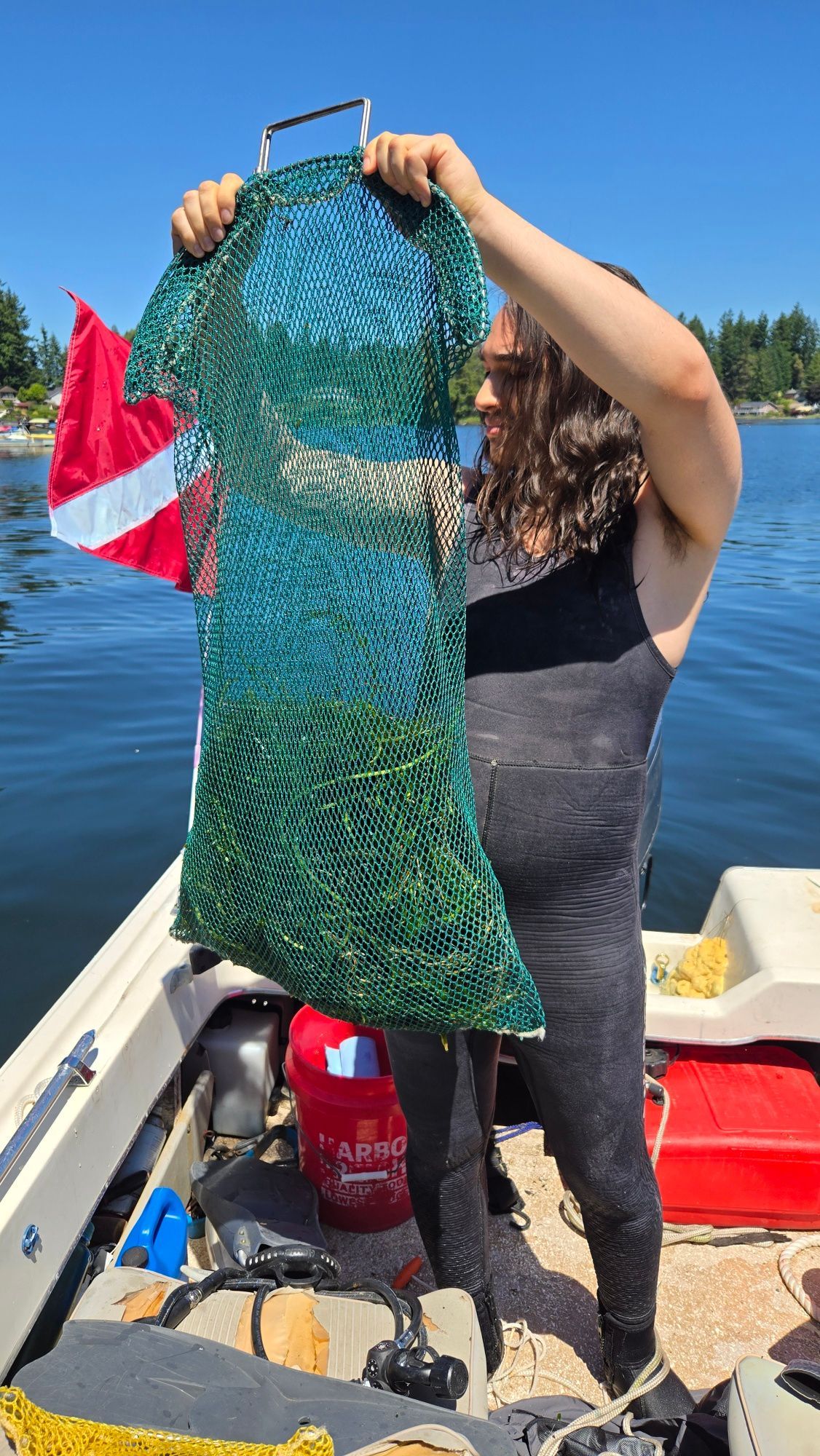
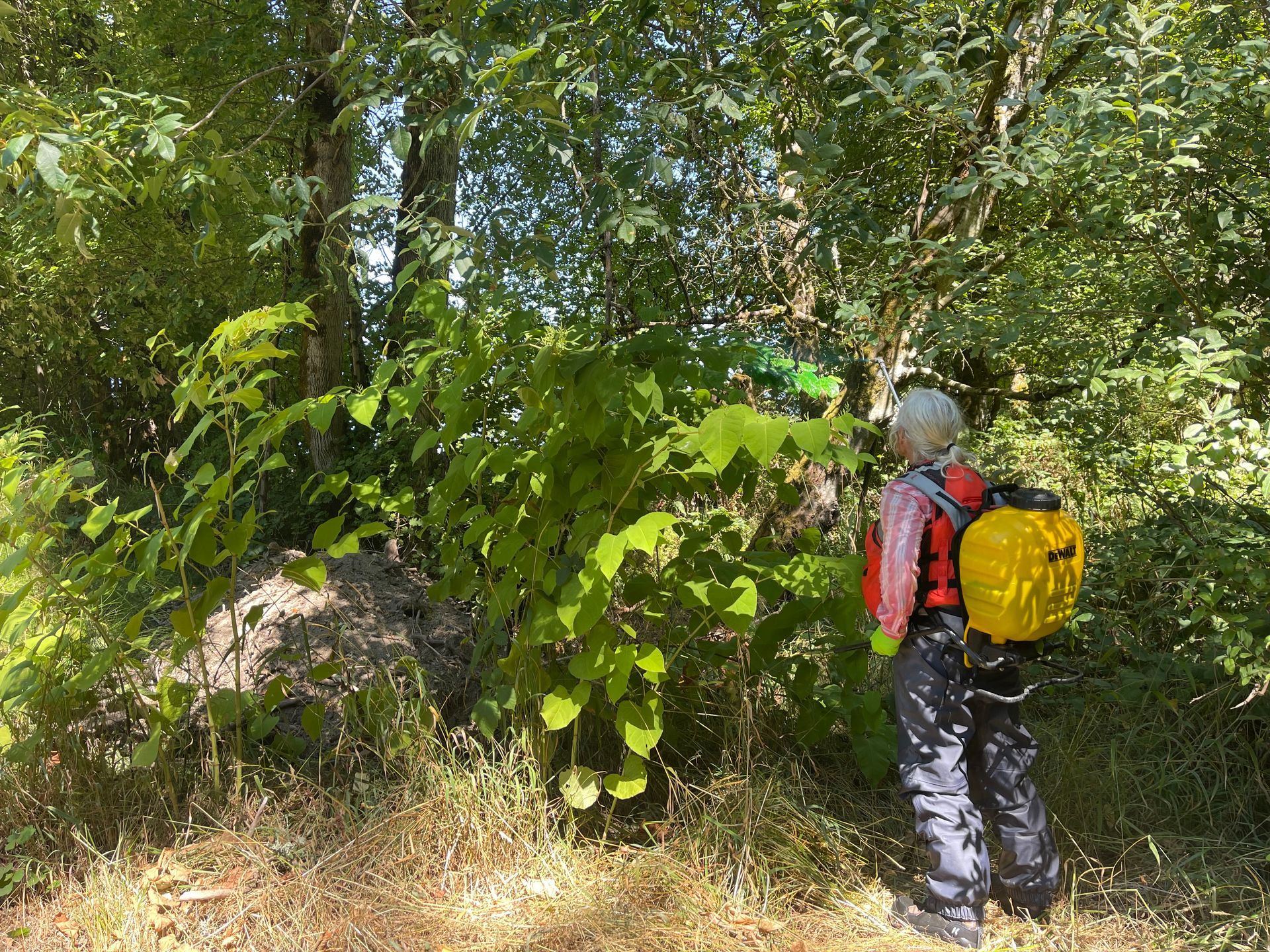
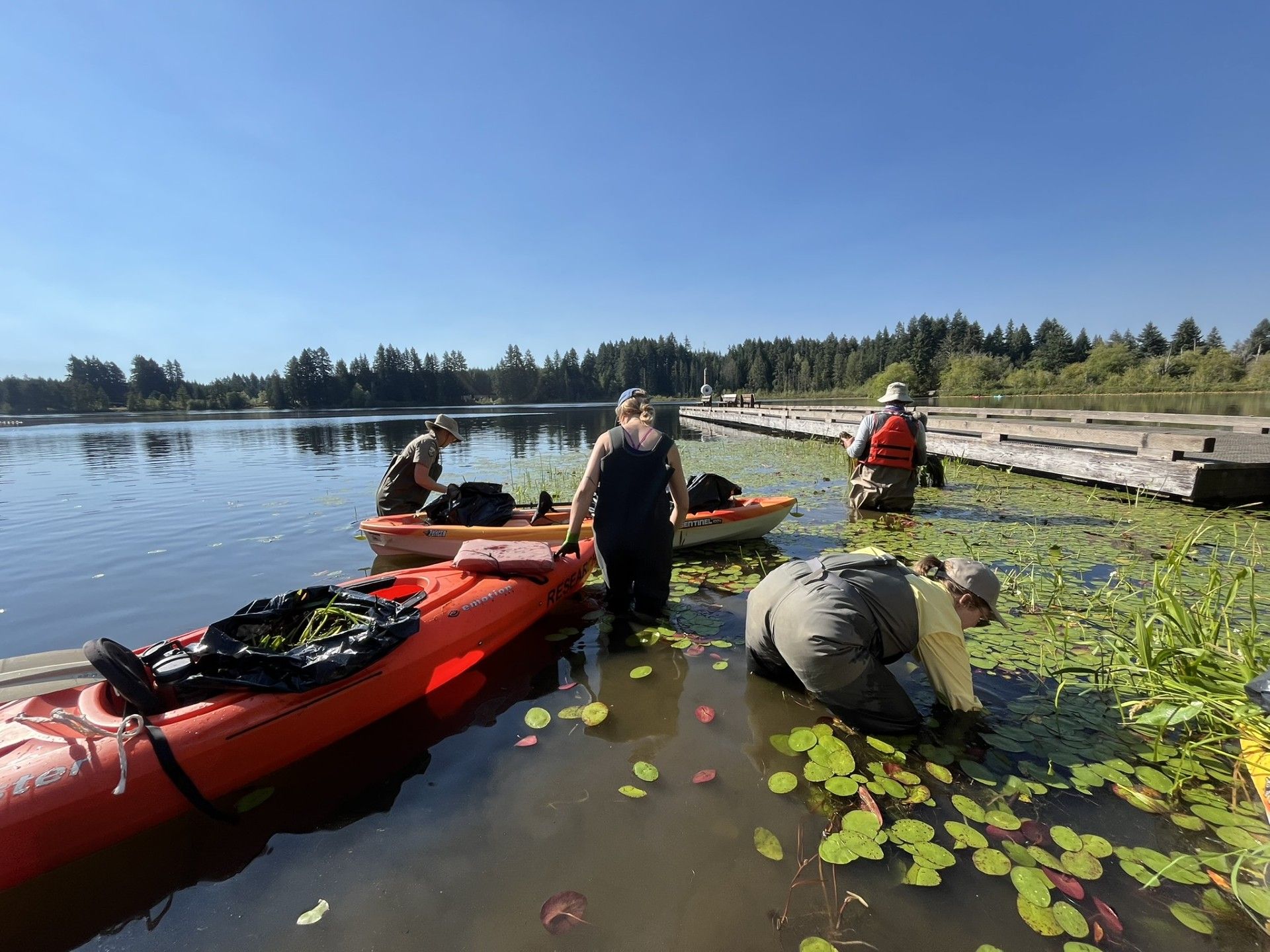
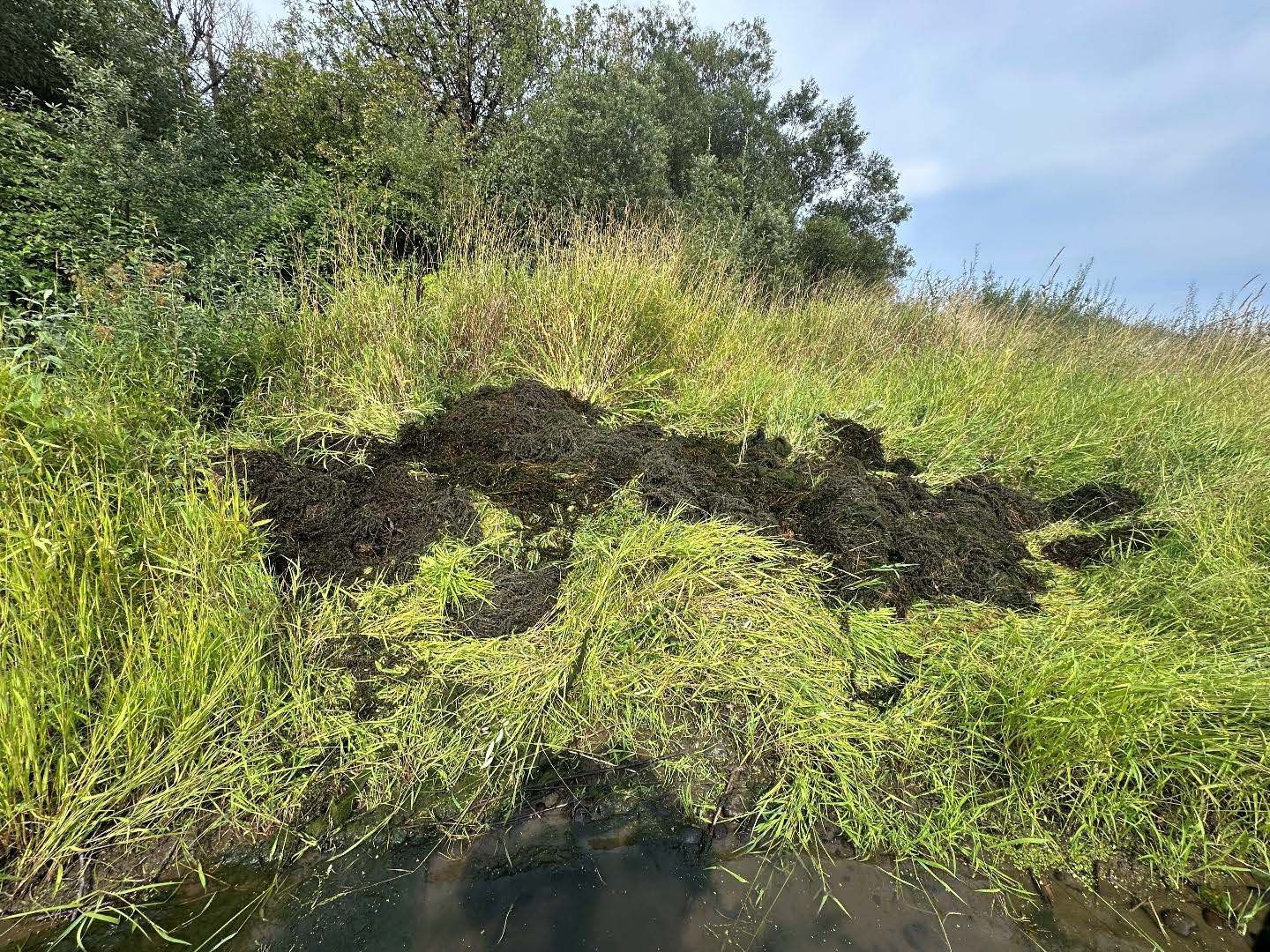
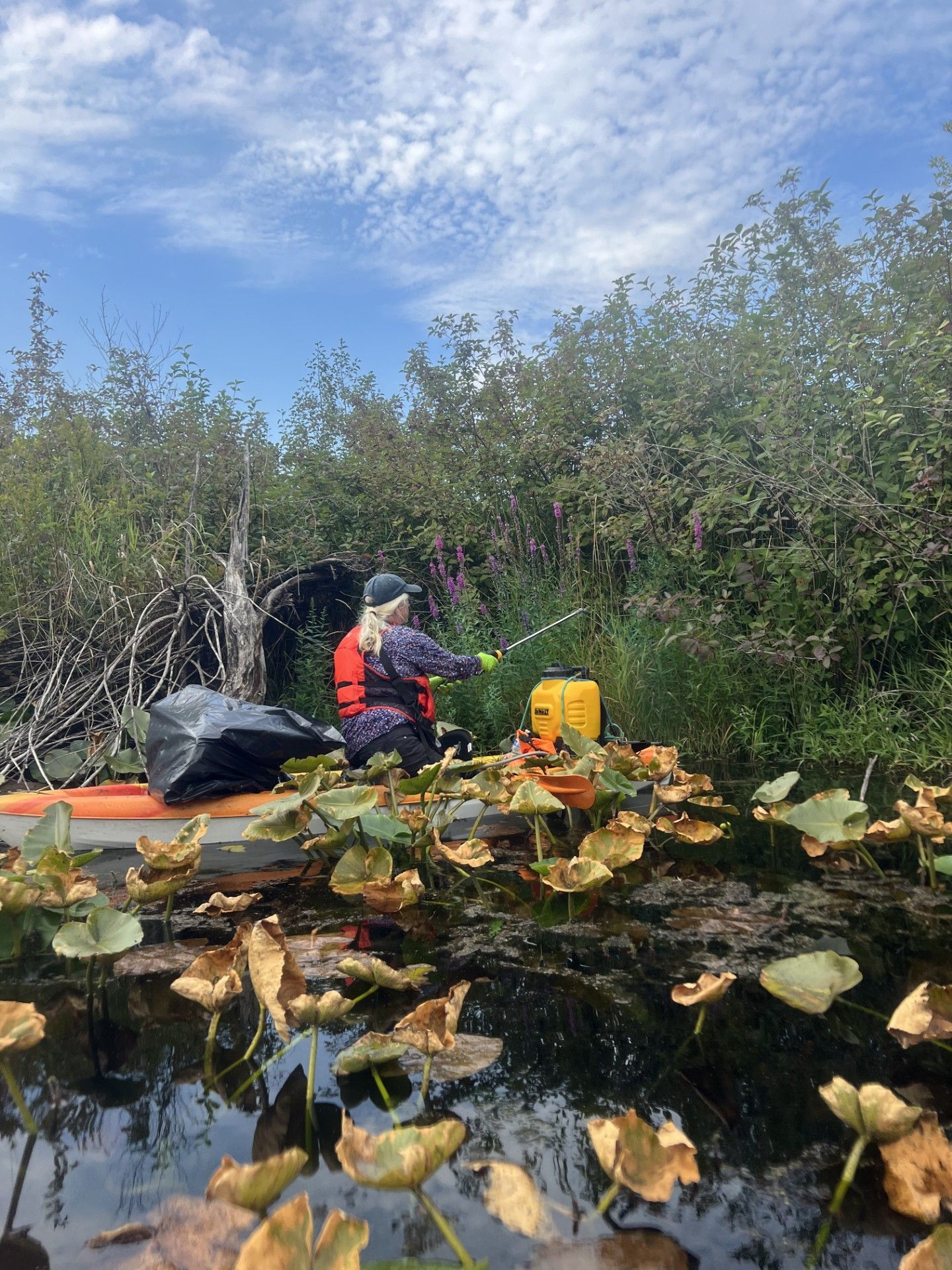
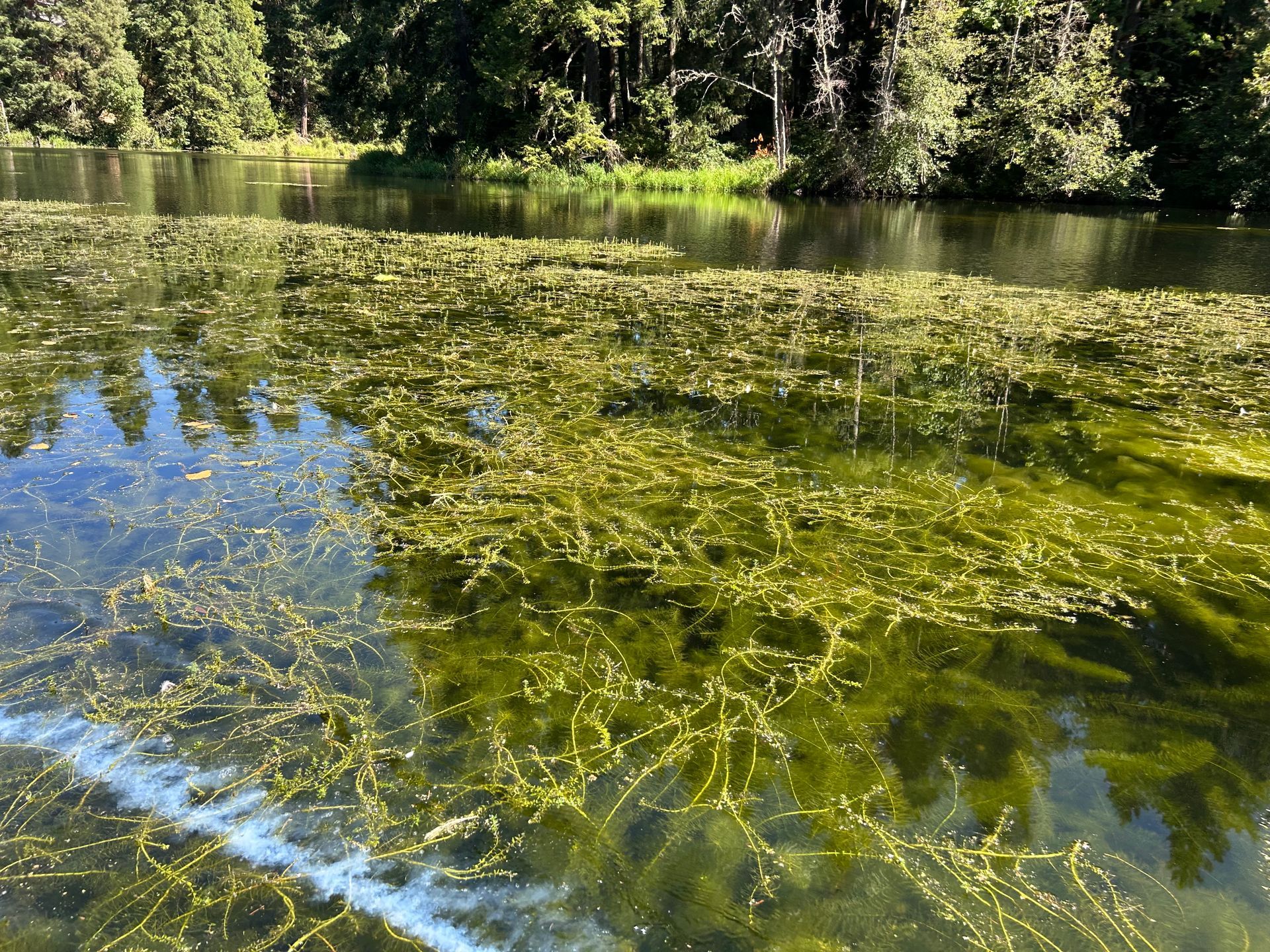
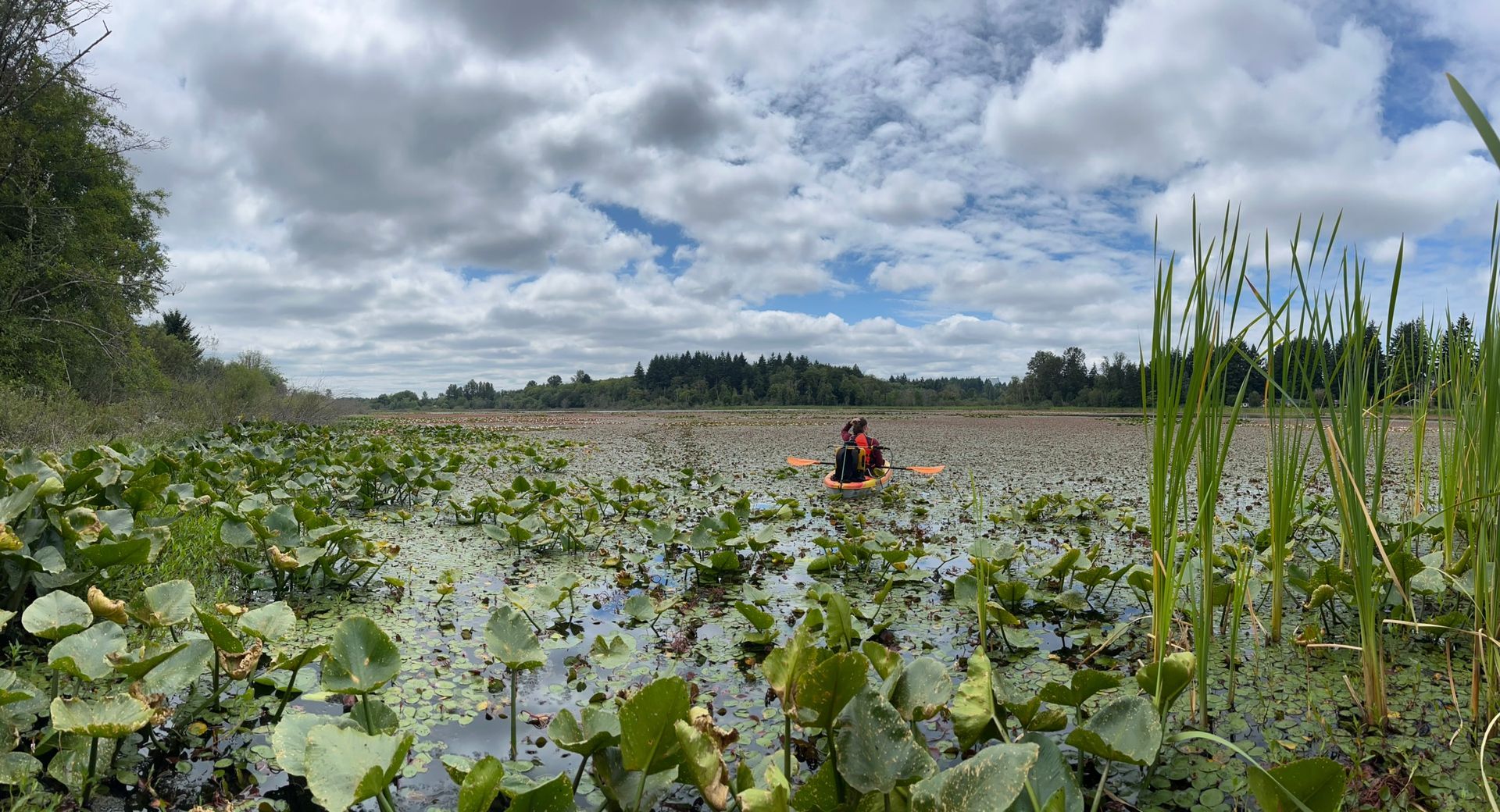
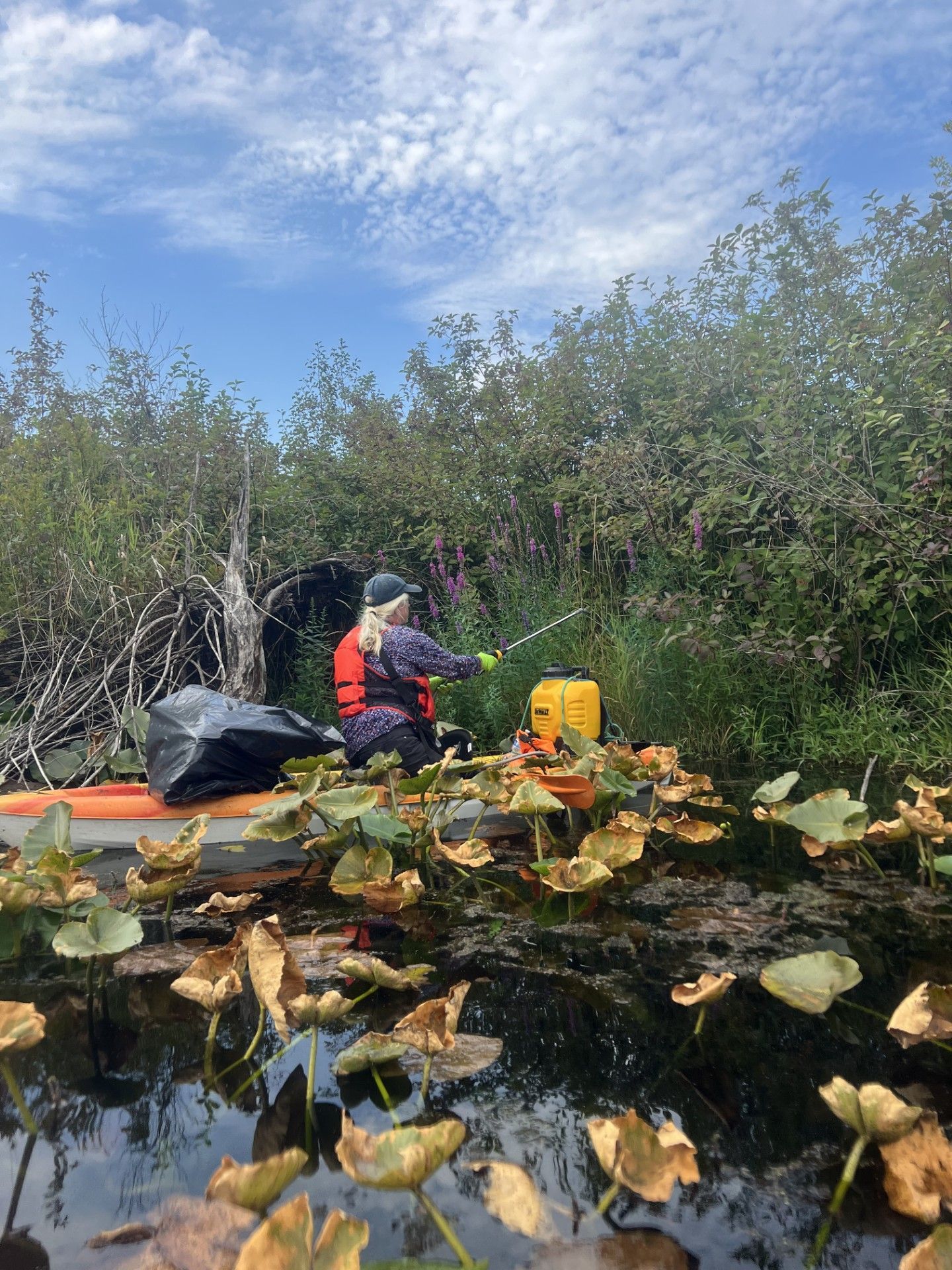
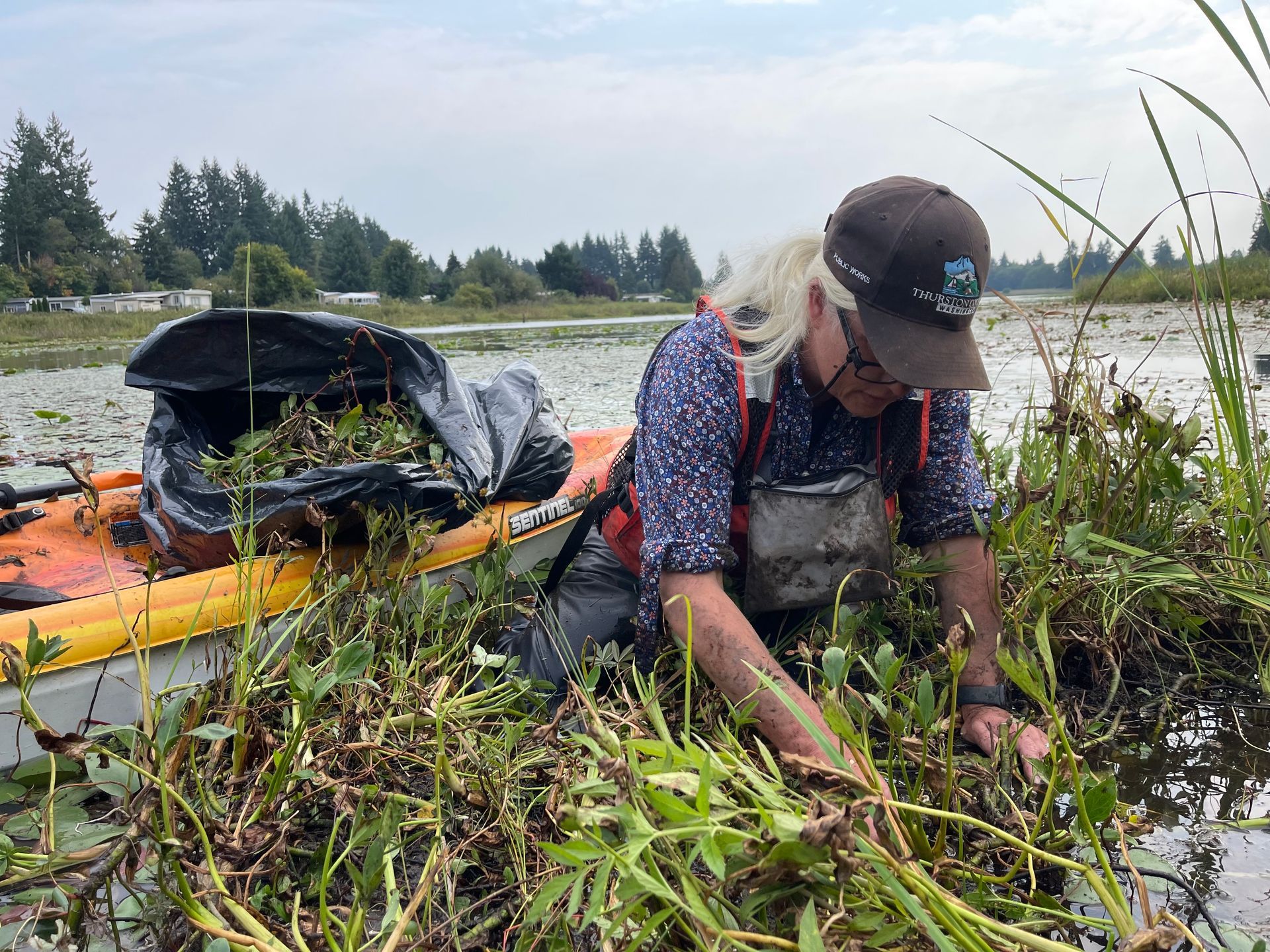
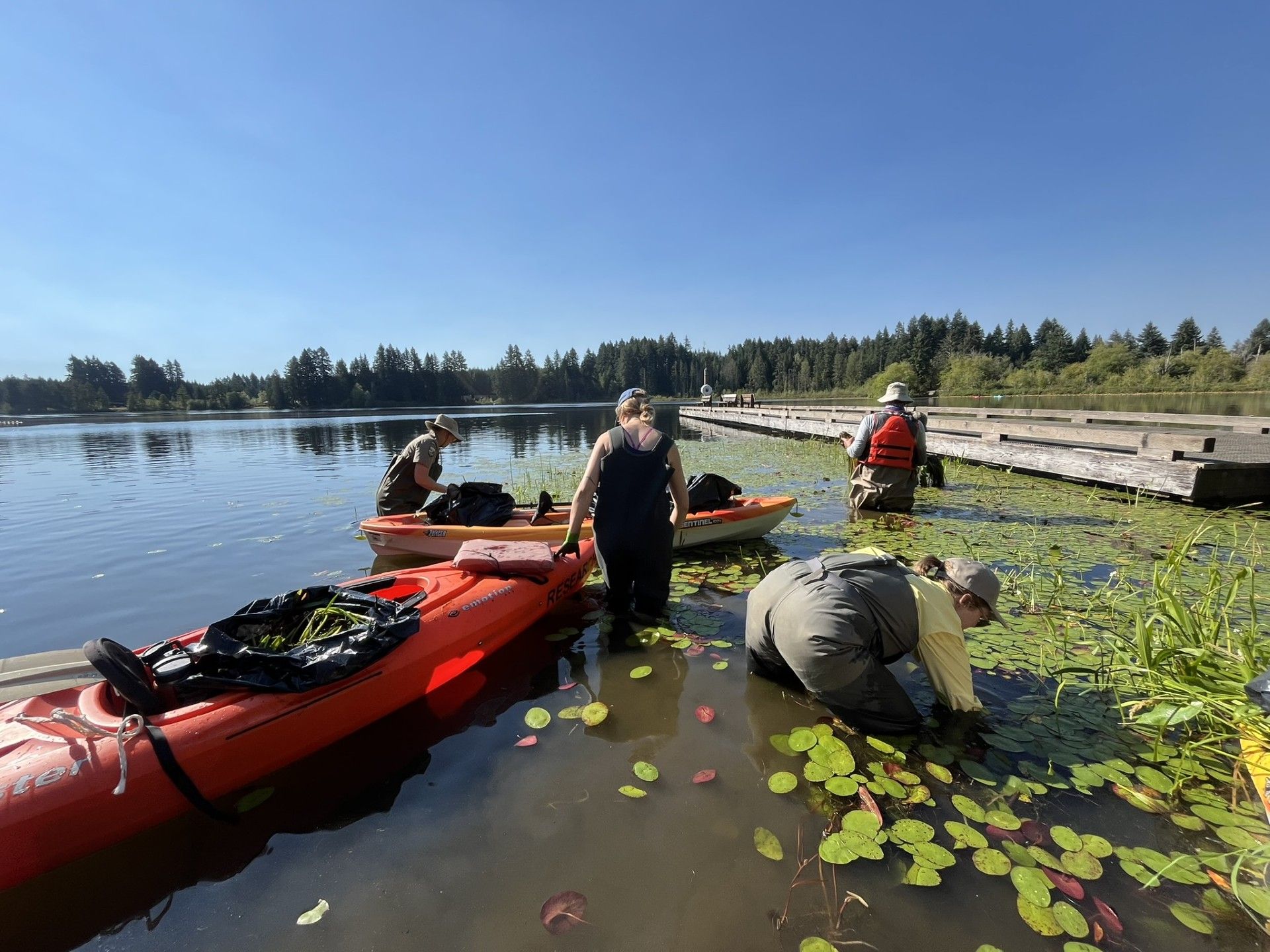
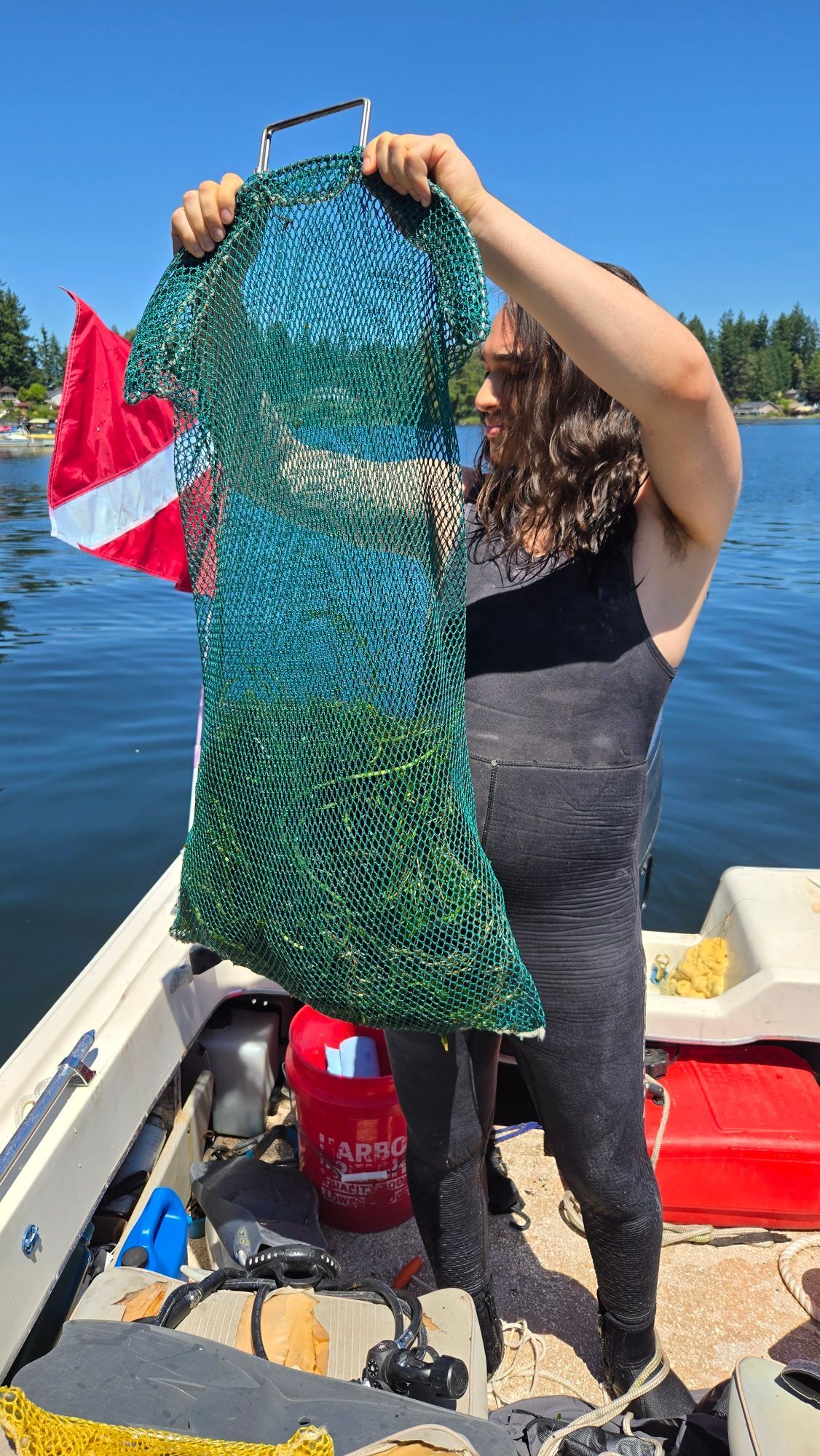
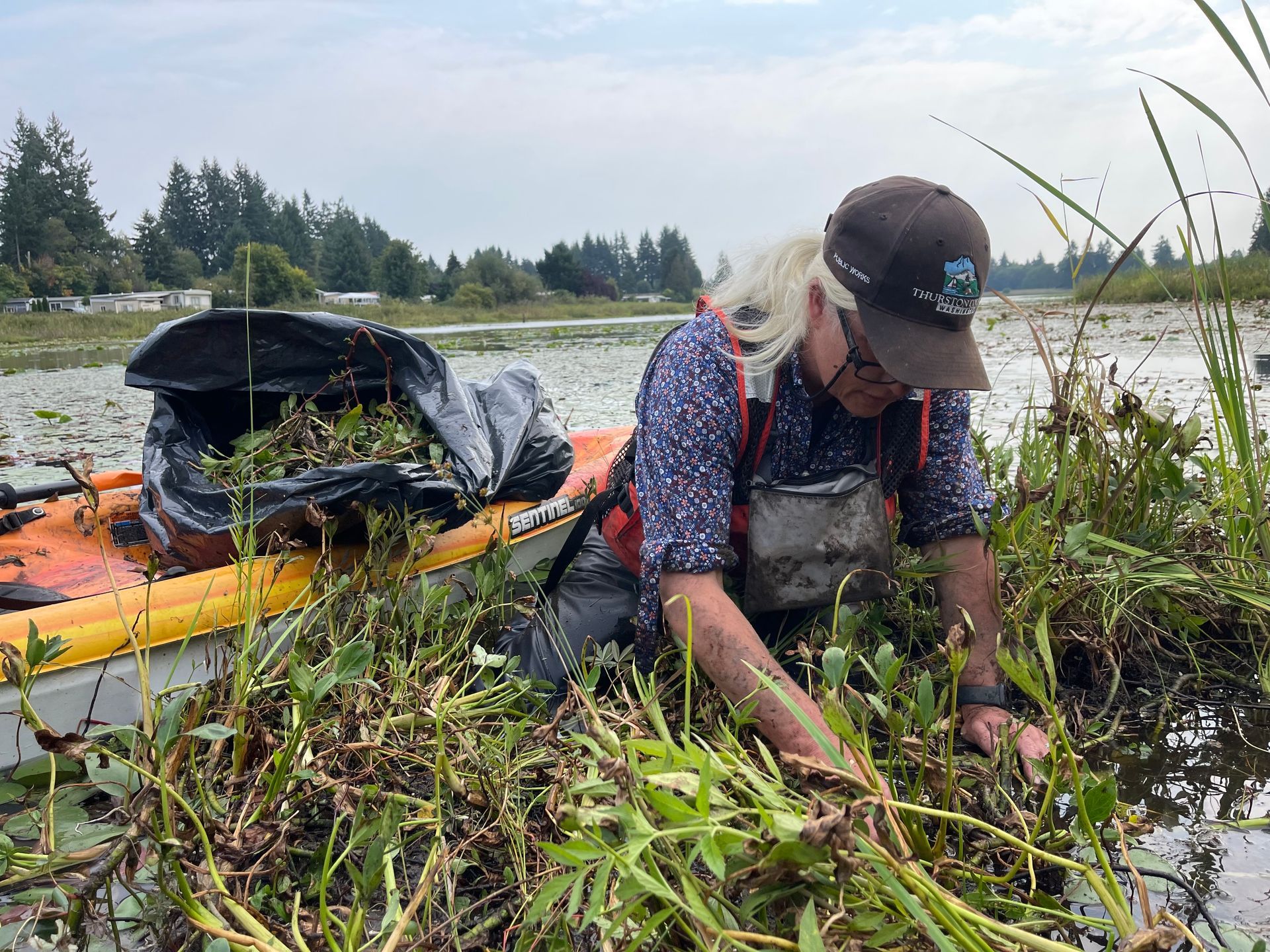
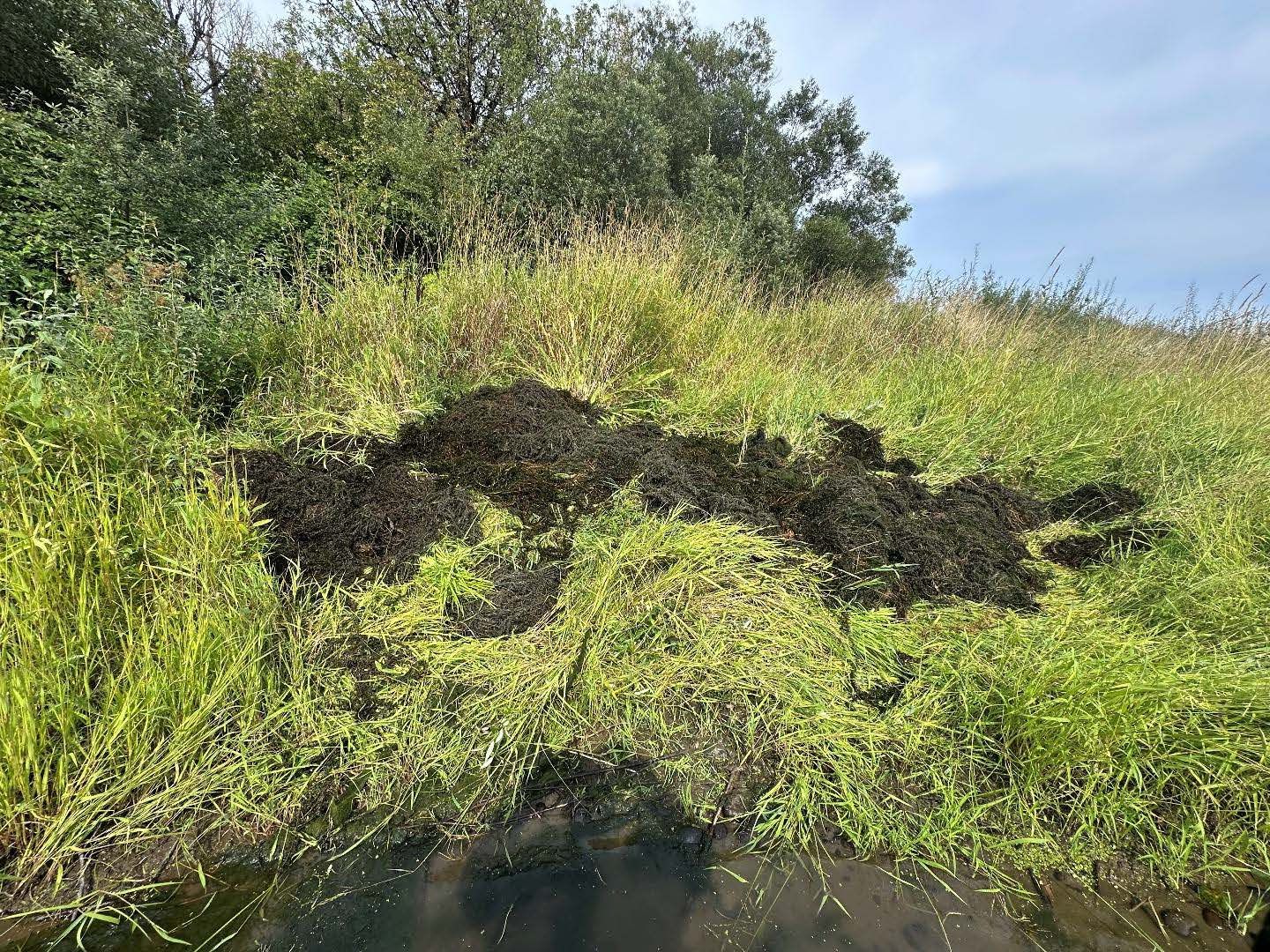
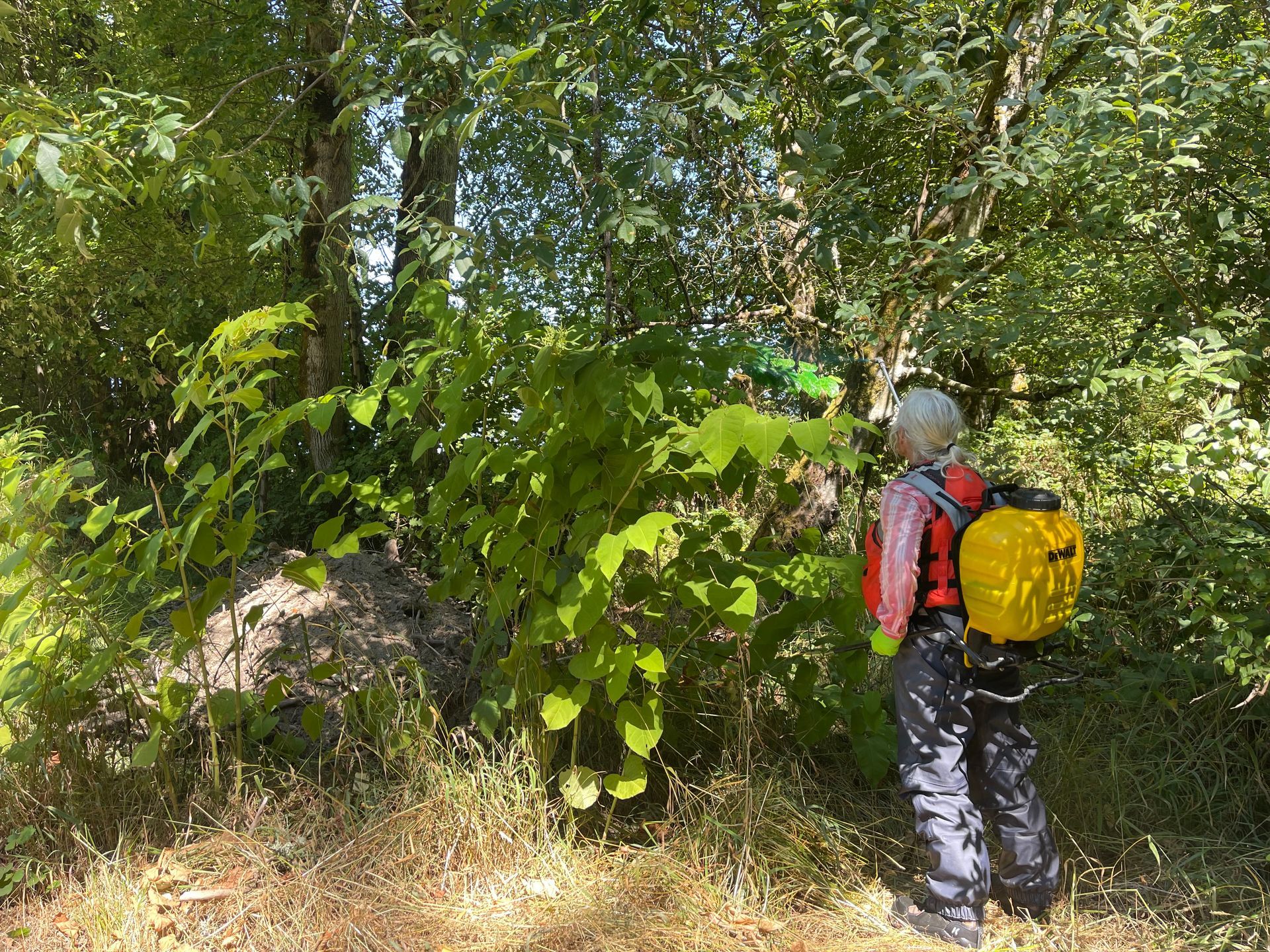
          The Noxious Weeds team conducted coordinated efforts to control invasive species along the Chehalis, Deschutes, and Black Rivers to protect aquatic habitats, shorelines, and recreational access. Crews surveyed and treated over 35 miles of river corridor, targeting knotweed, parrotfeather, Brazilian elodea, and purple loosestrife. Work included long-term management of knotweed on the Deschutes River, shoreline treatments using kayaks and floats, dive operations to remove submerged plants, and contractor support for multi-year control projects. These combined efforts help slow the spread of invasive species, restore native vegetation, and maintain healthy river ecosystems.

          Need caption.

          Need caption.

          Need caption.

          Need caption.

          Noxious Weeds - Lakes

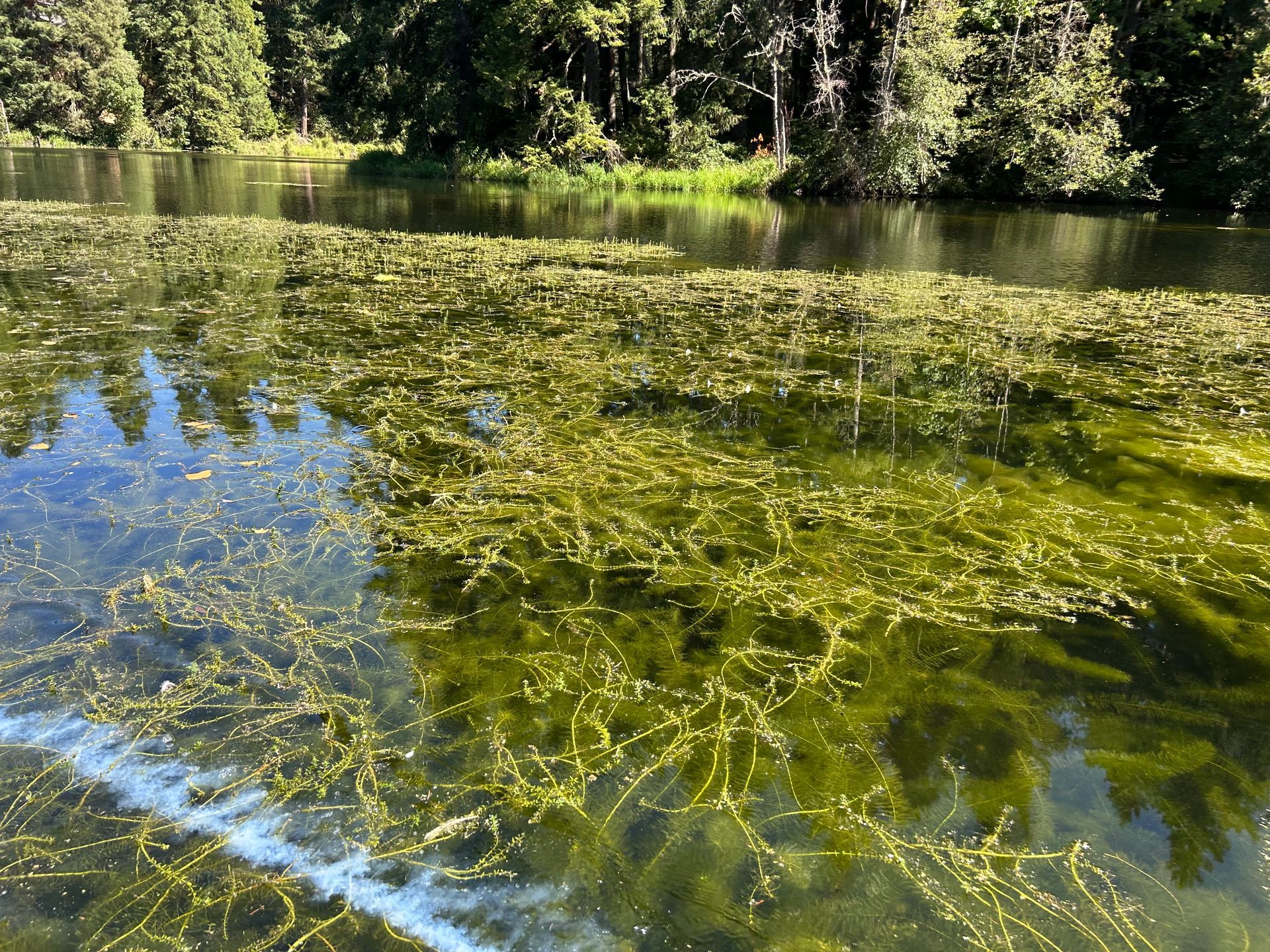
          Noxious Weeds led multi-agency invasive plant control efforts on Chambers Lake, Blue Lake, Long Lake, Deep Lake, and Lake Lawrence, focusing on early detection, ongoing treatment, and preventing spread to connected waterways. Collaborating with the Department of Ecology, Washington State Parks, Department of Natural Resources, and lake management districts, crews used a combination of chemical treatments, hand-pulling, and dive operations to remove thousands of pounds of Class A noxious weeds like floating primrose-willow, variable leaf milfoil, Brazilian elodea, delta arrowhead, and yellow flag iris. This work improves water quality, supports native plants and wildlife habitat, and helps protect lakes heavily used by the community.

          Need caption.

          Business Services

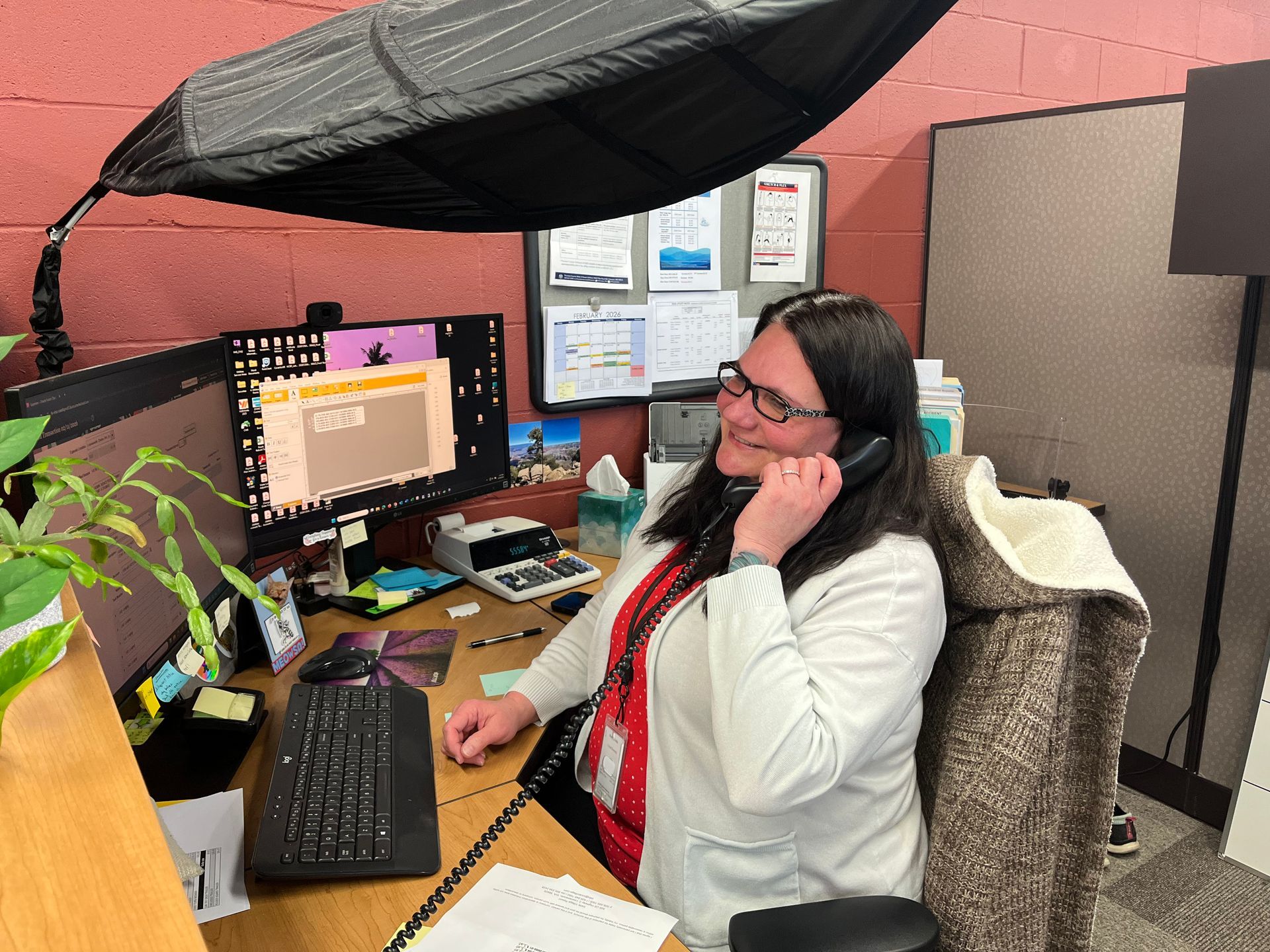
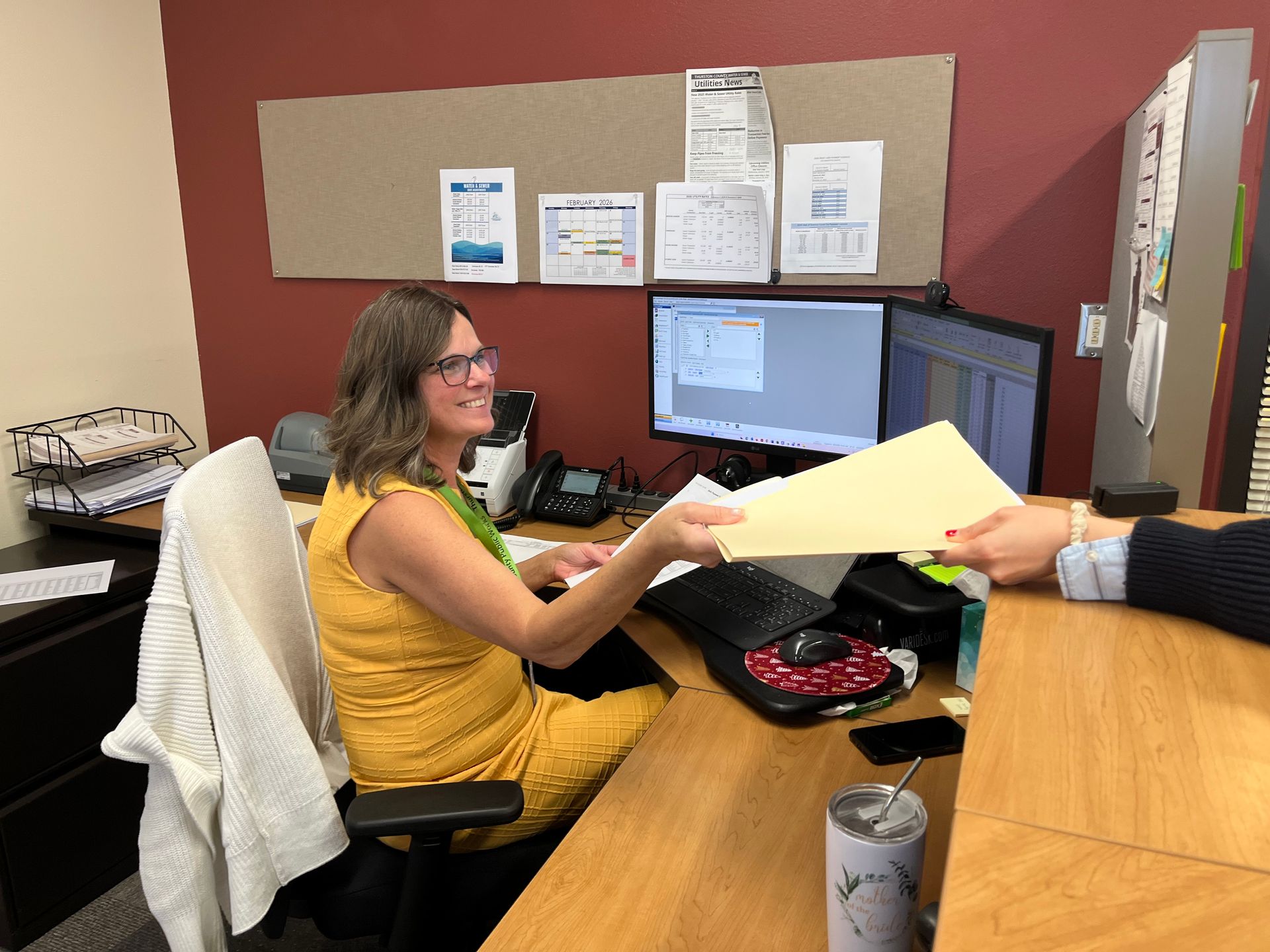
          The Business Services Division keeps Public Works running efficiently by providing essential behind-the-scenes support. The team provides financial analysis, assists with purchasing and contracting needs, and handles payroll for all Public Works divisions. The division is made up of three work groups: Finance, Procurement, and Payroll.
          • Slide title

            Write your caption here
            Button
          • Slide title

            Write your caption here
            Button

          Work Groups

          Finance

          The Finance work group manages all Public Works’ financial tasks, including budgeting, daily financial management, billing for water, sewer, and solid waste services, processing grant and property damage reimbursements, and paying vendors. Their aim is to act as responsible stewards of taxpayer dollars by providing transparent oversight and robust audit practices for all Public Works assets.

          Procurement 

          The Procurement work group assists Public Works in purchasing the goods and services necessary for community projects and daily operations. They ensure all contracting and purchasing comply with federal, state, and county rules. The team offers expert guidance to divisions to ensure contracts are solid, cost-effective, properly documented from start to finish, and compliant with federal, state, and county policies and requirements.

          Payroll

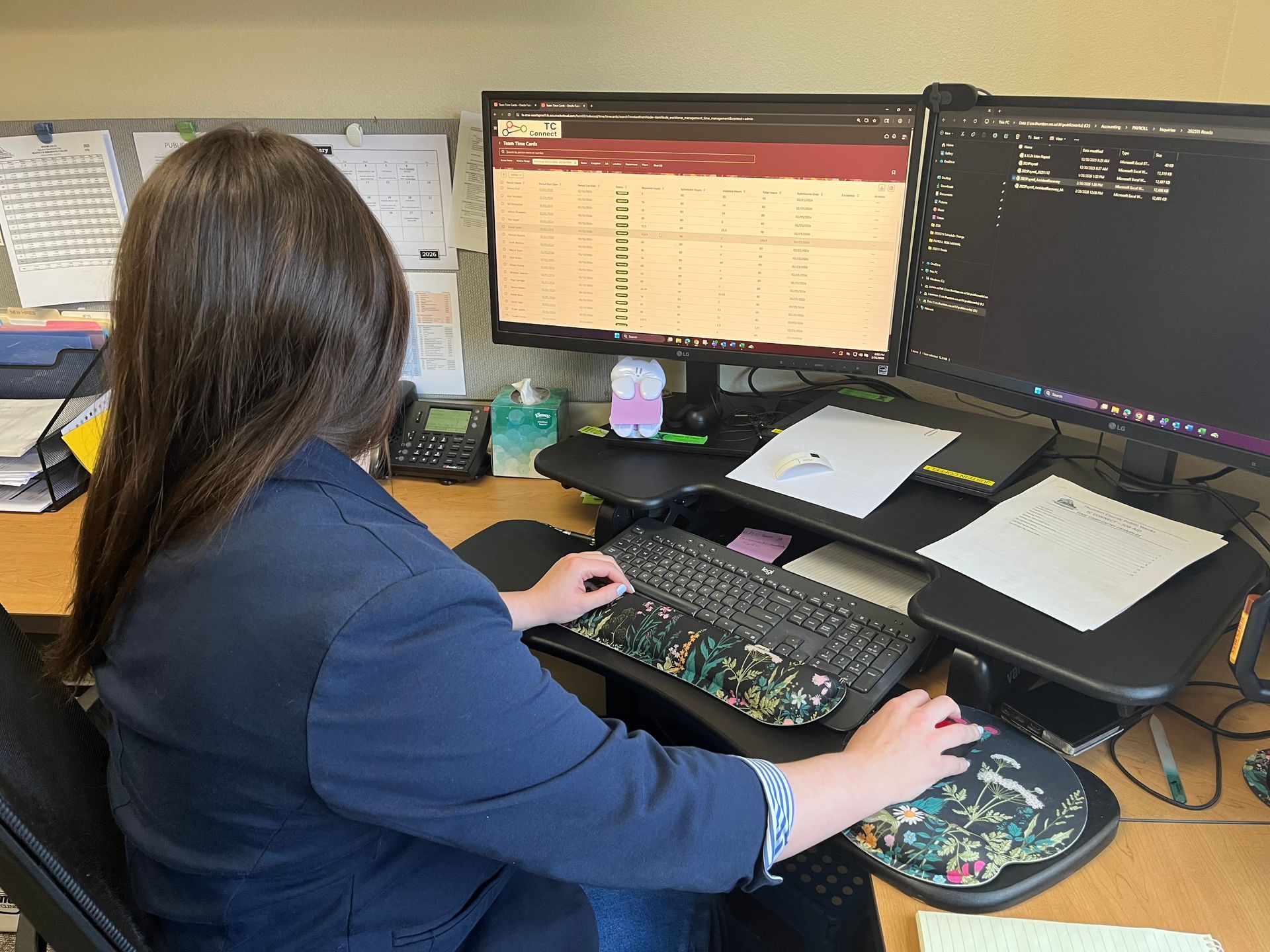
          The Payroll work group manages all payroll services for Public Works and prioritizes providing excellent customer service to employees. They ensure accurate timekeeping so managers have dependable information for decision-making and that payroll records satisfy all grant reimbursement requirements. The team collaborates closely with Human Resources and guarantees that all payroll processes comply with federal, state, and county rules and policies.

          By the Numbers

          Project Highlights
          Need caption.

          TC Connect improvements

          TC Connect, the new county Enterprise Resource Planning system, is modernizing how we manage payroll, projects, and purchasing across the county.


          The Business Services team participated in countywide testing of the new payroll module, which makes it easier and faster for employees to enter their timecards. Finance staff also explored the project module, learning to use this powerful budgeting tool to generate real-time reports that help managers make better decisions with the most current information. On the purchasing side, staff increased their knowledge of the procurement system. This work improves how we track spending, match expenses to the correct funds, and report financial information accurately and promptly.

          Need caption.

          Need caption.

          Annual audit

          Creative process improvements were made to strengthen our annual audit.


          A new monthly report was introduced to streamline the Public Works audit, and Financial Services refined the reconciliation process for new assets. Staff improved their understanding of the procurement module, making it easier to track open purchase orders at year's end. In 2024, the team completed the first audit using data from the new TC Connect system. Although the transition posed challenges, Financial Services focused on lessons learned and implemented improved practices in preparation for the 2025 audit.

          Need caption.

          Need caption.

          2026-2027 Budget Work 

          A new budgeting system improved how Public Works plans.


          Public Works implemented a new budgeting system, Enterprise Planning and Management, which simplifies planning and managing long-term funding. Staff used it to update the 2024-2025 budget and to create a new baseline for 2026-2027, which was approved by the Board of County Commissioners on December 16, 2025. Accountants incorporated the new figures into 10-year financial plans to help managers better forecast costs and needs. With a closer look at long-term projects and strategies to reduce spending, the department is positioned for stronger, more stable budgeting in the years ahead. practices in preparation for the 2025 audit.

          Need caption.

          Administrative Services

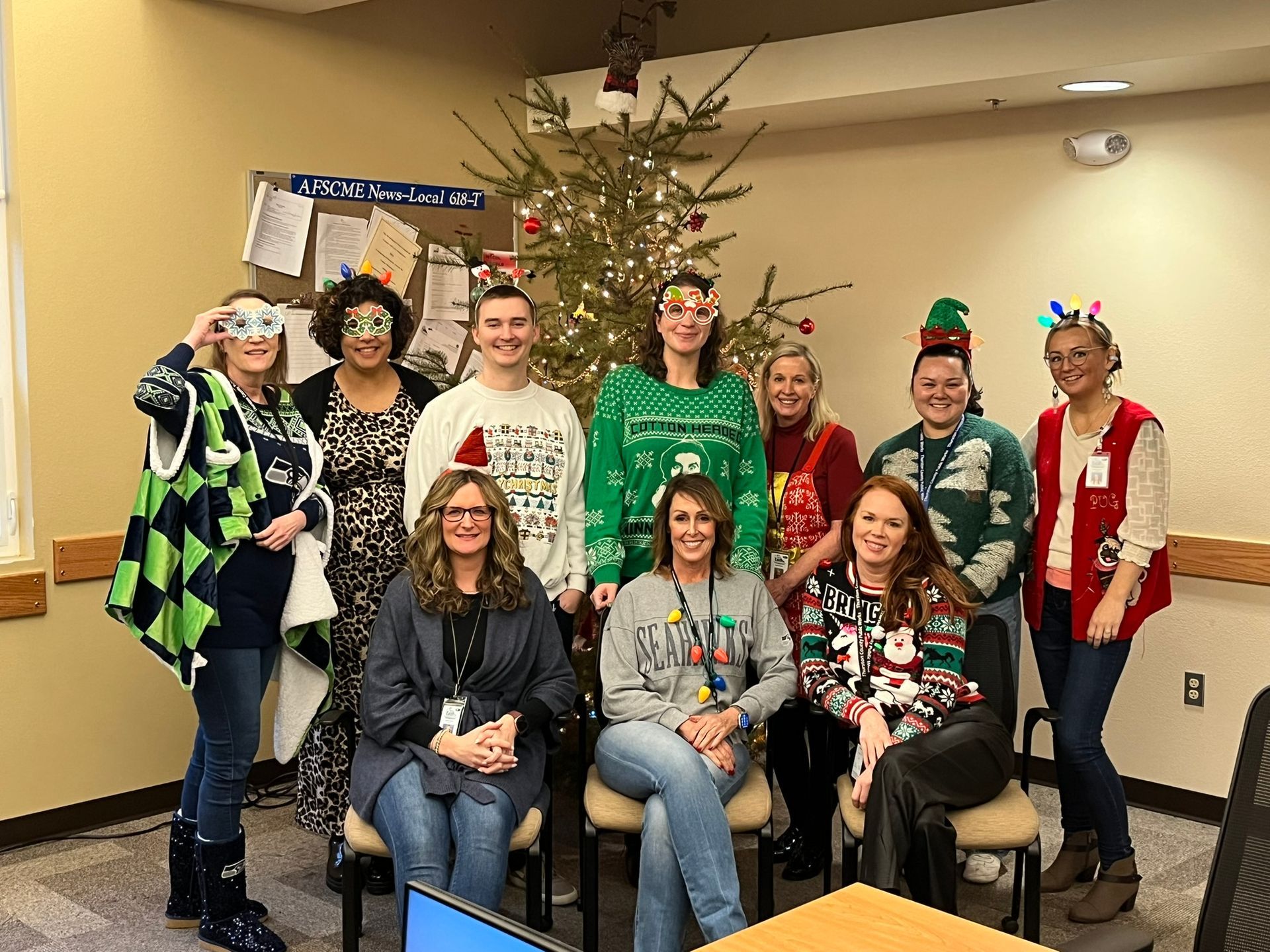
          The Administrative Services Division handles core administrative functions and maintains strict safety standards within the department through the Administrative Services and Training work groups. This division is in charge of records management, policies and procedures, recruiting, and training. 
          • Slide title

            Write your caption here
            Button
          • Slide title

            Write your caption here
            Button
          • Slide title

            Write your caption here
            Button
          • Slide title

            Write your caption here
            Button

          Work Groups

          Administrative Services Staff

          The Administrative Services Staff work group handles a wide range of administrative tasks, including managing records and ensuring all divisions have the resources and support they need to operate effectively. They also manage scheduling, coordinate meetings, recruit new employees, facilitate onboarding, and assist with implementing policies and procedures to ensure the smooth functioning of Public Works services.

          Training

          The Training work group develops and manages both required and elective training for the department. They are responsible for ensuring the department complies with county, state, and federal-mandated training. Their responsibilities also include onboarding new employees and overseeing the stormwater training plan. They serve as the training liaison to Human Resources and provide guidance and training for the county learning system.

          By the Numbers

          81.9% 

          First Aid/CPR Certified Public Works Staff

          162

          Equipment Certifications

          173

          Public Records Requests Received

          161

          Public Records Requests Closed

          Records retentions:

          34  Destruction Logs Created


          122,000 Documents Destroyed

          86

          Board Agenda Item Submitted

          244

          Employee Hiring Interviews

          2000+

          Training & Travel Requests Processed

          Total Service Requests:

          Parks: 63

          Noxious Weeds: 46

          Road Ops: 1193

          Traffic Ops: 383

          Solid Waste: 167

          Stormwater: 270

          Water/Sewer Utilities: 108


          400+

          Park Shelter Reservations

          100+

          Park Lodge Reservations

          Project Highlights
          Need caption.

          Records Management Project 

          The Administrative Services Staff work group made major progress this year on a big project to digitize, organize, and preserve historic records. 


          Administrative Staff digitized 34 survey books and uploaded all scanned maps, collaborating with IT to update map and survey templates and add a new “Old Road Names” section to address historical gaps. They also began cataloging historic road names, logging 333 survey cards (roads A–C) with right-of-way, deeds, plats, and location details into a temporary database. Upcoming tasks include completing 179 additional survey books, processing 32 flood-related books, road logging and inventory, organizing seven bridge books, and preserving two late-1800s transit books.

          Need caption.

          Need caption.

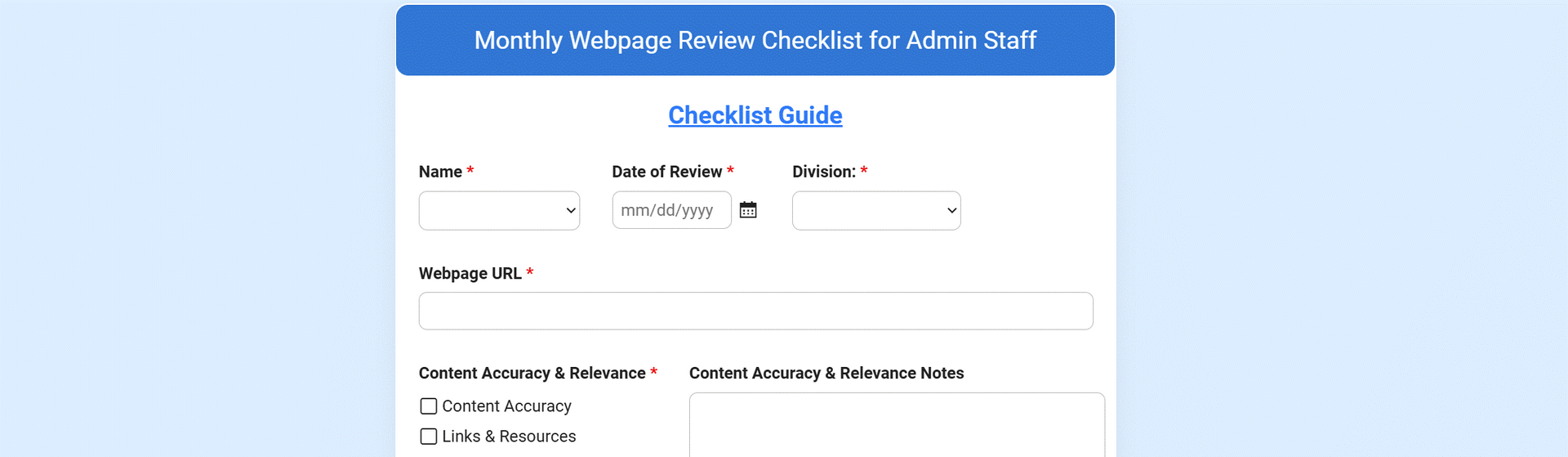
          Webpage Reviews

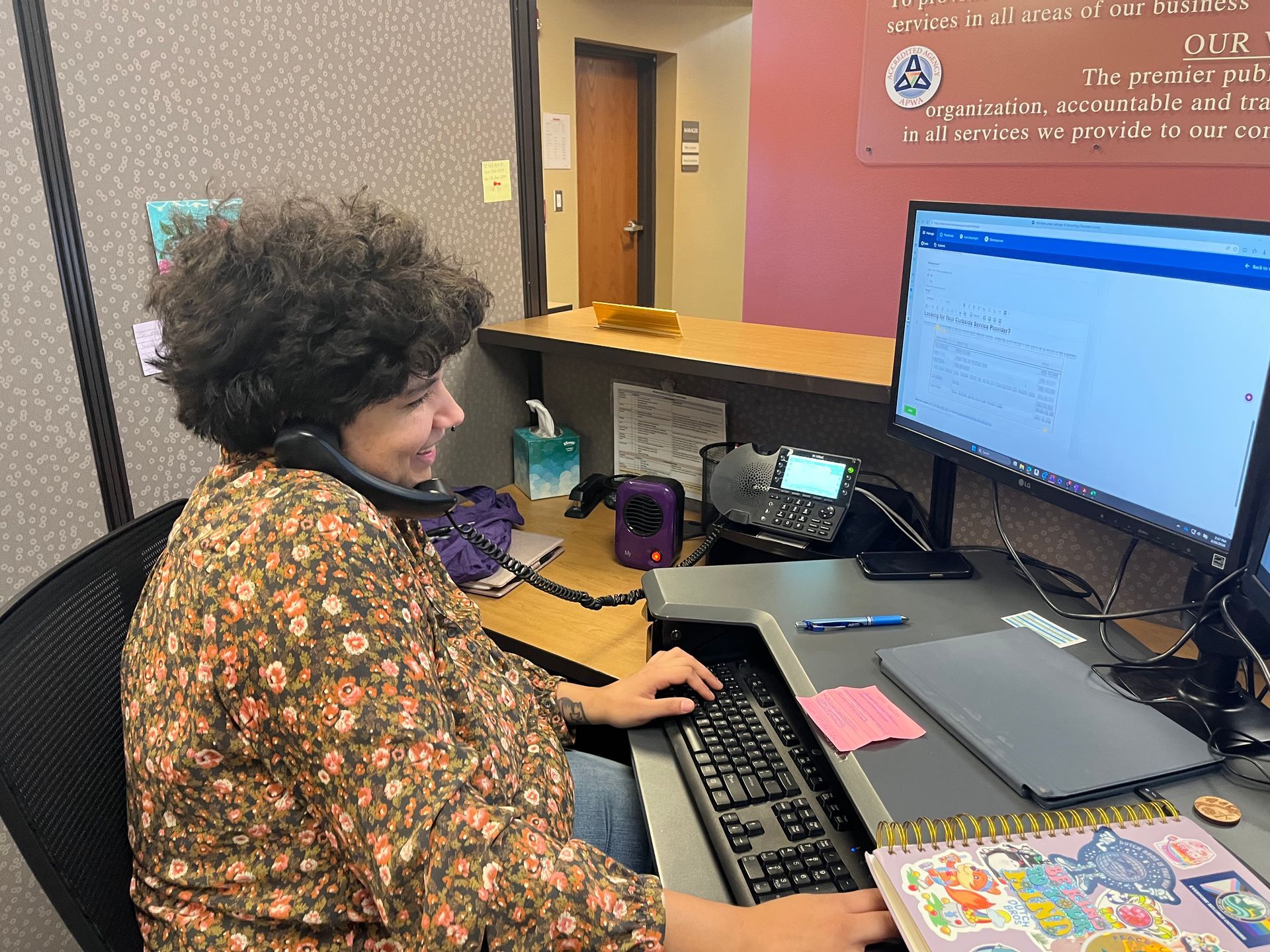
          To ensure accuracy, relevancy, and consistency across Public Works’ webpages, the Administrative Staff work group collaborated with the Communications team to submit regular webpage edits. 


          Each month, the Administrative Staff work group systematically reviews Public Works webpages. Since the process started in August, nearly 70 webpages have been reviewed. Typical updates include fixing outdated documents, correcting minor typos, and resolving accessibility issues. The Communications team supports these efforts by gathering missing information and publishing edits to ensure each webpage is current. 

          Need caption.

          Office of the Assistant Director

          The Assistant Director’s Office comprises three work groups focused on safety, communication, and infrastructure assets. The Safety team establishes standards, conducts inspections, offers training, and prepares for emergencies. The Communications team supports internal communication and connects Public Works with the community by sharing information on projects, decision-making, and the role of public input. The Asset Management Program inventories assets and collects data to prioritize projects, guide long-term budgeting, and enhance Thurston County’s infrastructure.

            Work Groups

            Safety

            The Safety work group develops and enforces safety regulations, conducts regular inspections and risk assessments, and provides training to prevent accidents and ensure compliance with health and safety laws. They ensure staff have the necessary resources to work safely every day and lead emergency planning efforts that establish a clear response framework and include exercises to improve departmental preparedness. 

            Communications

            The Communications work group connects Public Works with the community through clear, accessible, and meaningful messaging. Their work extends beyond project updates; they produce dynamic content that explains what’s happening and why it matters, using digital tools, printed materials, and in-person outreach to meet people where they are. From emergency updates to long-term project storytelling, the team helps foster public trust and understanding while also supporting staff by sharing information and highlighting work across the department.

            Asset Management

            The Asset Management Program work group oversees the department’s asset management efforts and ensures infrastructure remains functional and durable. They assist divisions in tracking and assessing infrastructure, monitoring maintenance and costs, and planning work more efficiently. They also develop GIS and information systems to support consistent service and provide reliable data for budgeting, financial planning, and long-term decisions.

            By the Numbers

            20+

            Asset Management portable support devices deployed in the field

            5

            Asset Management new pilot processes

            4

            Ribbon-cutting events

            4

            Open Houses coordinated

            Project Highlights
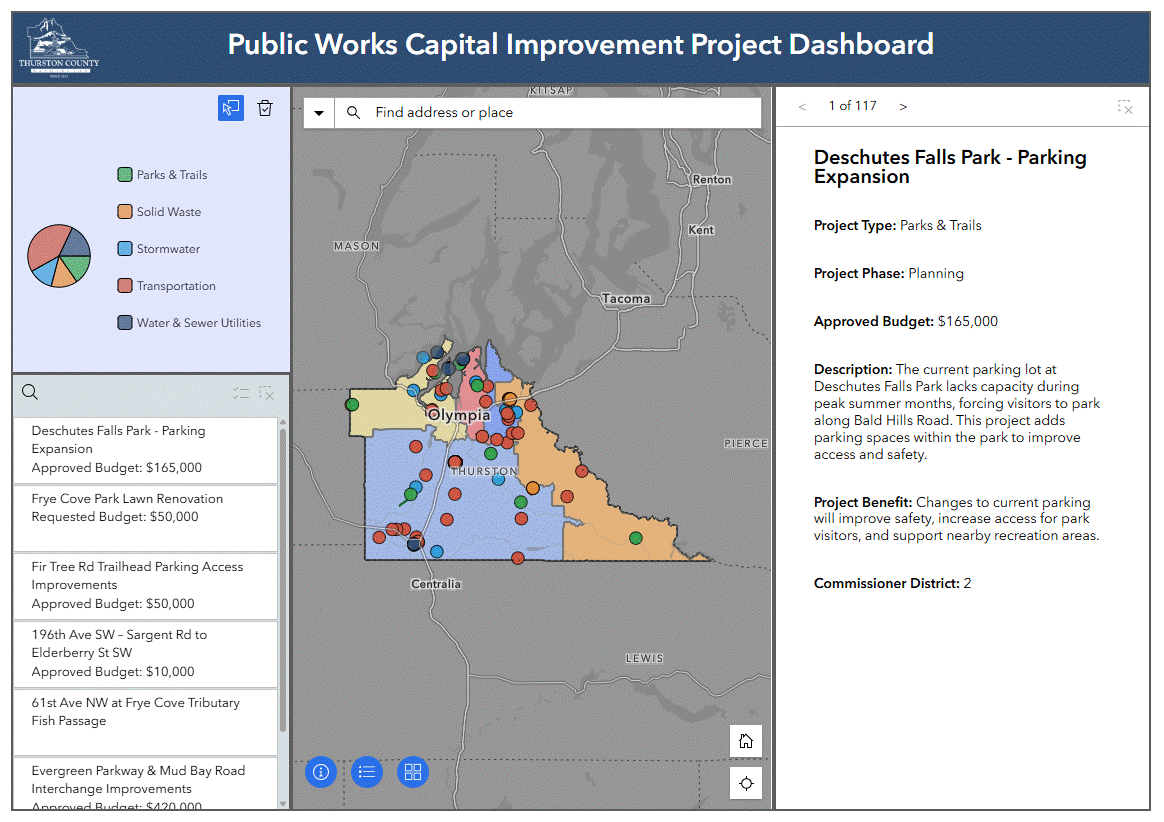
            Need caption.

            Capital Improvement Project Dashboard 

            Making it easier for the public to see where and how infrastructure dollars are being invested.


            The Communications, Asset Management, and Project Management teams collaborated to launch a new interactive Capital Improvement Program Dashboard, replacing a lengthy printed report that was difficult to navigate and update. The new tool provides residents with a clear, accessible view of how Public Works is investing in their communities. With simple navigation and detailed project information, including timelines, locations, and funding sources, the dashboard enhances transparency and helps the public better understand the scope and impact of local infrastructure projects.

            Need caption.

            Need caption.

            The Great ShakeOut

            Public Works joined millions of people worldwide in the annual earthquake drill. 


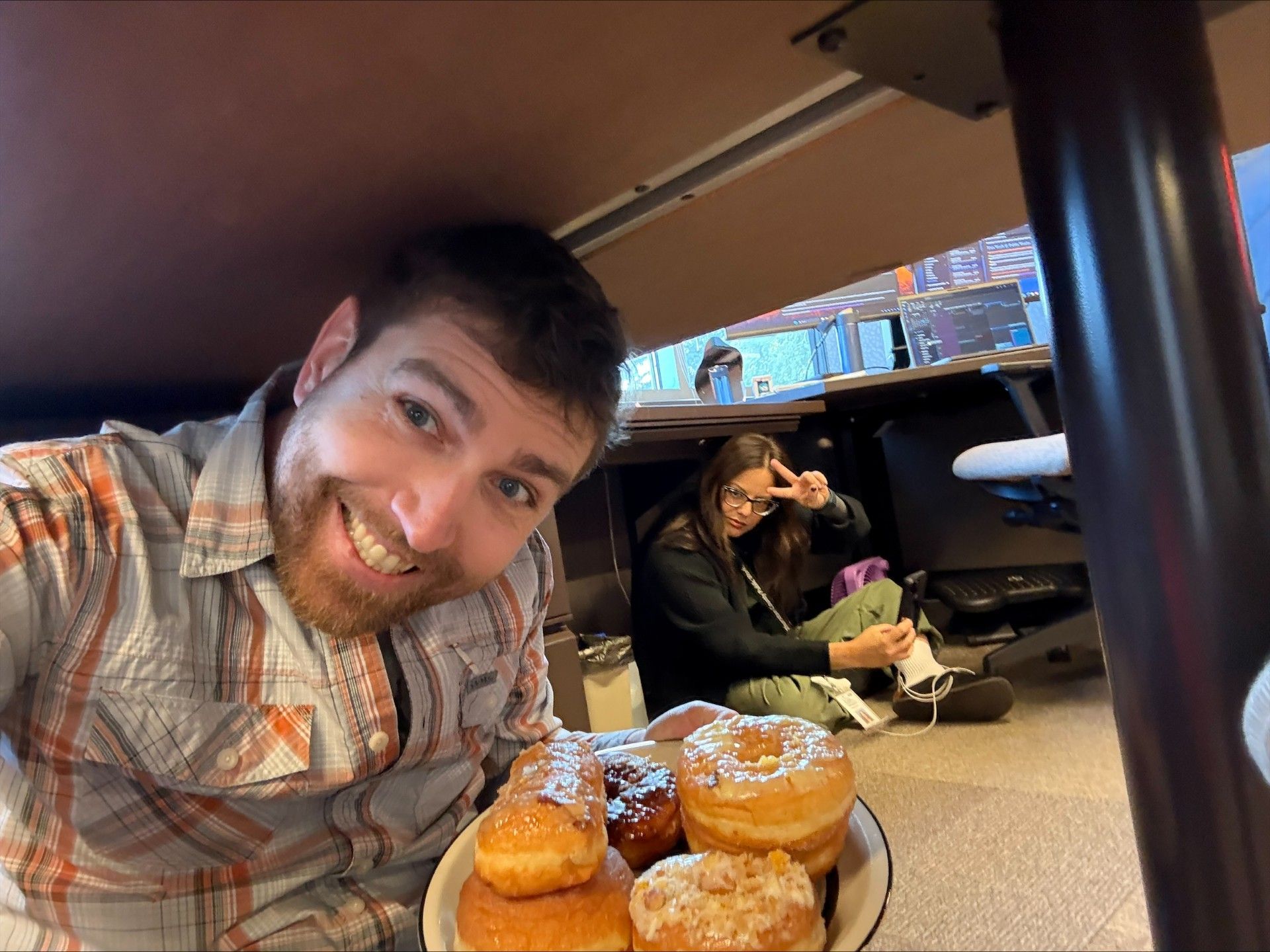
            During the annual Great ShakeOut earthquake drill on October 16, Public Works staff began with training for our Tilley Emergency Coordinators. Once the drill started, employees practiced “Drop, Cover, and Hold On” during the simulated earthquake. Nearly everyone took shelter under their desks for safety. After the simulated quake ended, Public Works staff evacuated their buildings, headed to designated gathering areas, and were accounted for by the Tilley Emergency Coordinators. Field crews also tested radio communications by sharing location and status updates. By regularly practicing our emergency plan, staff and coordinators stay safe and prepared for a disaster.

            Need caption.

            Need caption.

            A Year of Growth 

            The Communications work group planned, created, improved, reported, edited, and promoted just about everything at Public Works in 2025.


            In 2025, the Communications team added an extra staff member, opening the door to more creative storytelling and stronger support across Public Works. With increased capacity, the team planned and hosted ribbon-cutting ceremonies for projects including the Green Cove Creek Fish Passage Enhancement project and upgrades to water and wastewater treatment systems in Tamoshan and Boston Harbor. These events brought together staff, residents, partners, and elected officials. Communications helped shape how Public Works connects with the public and staff by leading coverage for over 25 events, creating interactive charts and infographics, and bolstering the Public Works brand with a unified voice and visual identity. The team also refreshed lobby TV displays, revamped the employee newsletter, celebrated staff with kudos, submitted award nominations, and welcomed visitors on-site to see Public Works in action. These efforts helped bring the story of Public Works to life, demonstrating how daily work and long-term planning are building a safe and resilient future for Thurston County.

            Need caption.

            Need caption.

            Need caption.

            Asset Management Program Expands 

            Building an asset system grounded in real conditions.


            In 2025, the Asset Management Program expanded the VUEWorks Asset Management Information System to include the Parks & Trails Program. This effort went beyond a simple technical rollout. It involved translating years of staff knowledge about parks, trails, and facilities into a system that accurately reflects what exists on the ground and how it is used. Asset Management staff collaborated with Parks & Trails staff to define assets, assess conditions, and ensure the system aligns with daily maintenance and operations. Site visits played a key role in the process, allowing staff to see assets in context, verify details, and confirm that the data reflects real conditions.

            Need caption.

            Need caption.

            Building Pilot Processes 

            Turning shared knowledge and expertise into better decisions.


            The Asset Management team collaborated with the Road Operations team to implement pilot processes that support field-based planning, work tracking, documentation, and reporting using portable tablets and phones. Shared dashboards offered supervisors a timely view of active work, enabling informed adjustments and decisions. Improving Road Operations work enhances coordination with other Public Works Divisions, including Stormwater and Traffic Operations, and supports shared activities like sweeping, mowing, plowing, sanding, and vactoring.

            Need caption.

            Need caption.

            Return to Work Program 

            Our Return to Work Program helps injured employees safely return to medically approved light-duty or transitional work while they recover.


            The creative approach of the Return to Work Program promotes quicker recovery, keeps employees engaged and valued as part of the team, and lowers workers’ compensation costs. The results are impressive. We observed $55,000 in savings from potential lost labor. Our team members experience less downtime and less isolation that often accompanies being out of work. This program is a great example of the innovation and caring culture at Public Works. Thurston County also improved its Insurance Experience Rating in 2025, with Public Works being the largest contributor to the estimated $800,000 in savings on Workers' Comp insurance premiums for 2026. 

            Need caption.

            Need caption.

            Emergency Preparedness Month 

            During Emergency Preparedness Month, the Safety team led activities to strengthen employee readiness and reinforce our safety culture.


            During Emergency Preparedness Month, Public Works took several steps to help employees and the community prepare for emergencies. Staff participated in an Emergency Handbook quiz to refresh their knowledge and learn more about what to do in different situations. We also updated 60 office evacuation kits to ensure supplies were current and ready if needed. A brown-bag discussion was held to talk about personal preparedness. This gave employees a chance to share ideas, ask questions, and learn practical tips for staying prepared both at work and at home. Public Works also emphasized the importance of having emergency kits in your home and vehicle. These efforts demonstrate Public Works’ commitment to safety, preparedness, and caring for our people and community.

            Need caption.

            Need caption.

            Regional Asset Management Practitioner’s Forums 

            The Thurston County Public Works Asset Management Program hosted the first two Regional Asset Management Practitioner (RAMP) Forums.


            In May and November 2025, Thurston County Public Works hosted RAMP Forums. These gatherings included representatives from Thurston, Lewis, and Pierce Counties, as well as Tumwater, Lacey, Yelm, DuPont, and LOTT Clean Water Alliance. Attendees ranged from frontline staff to directors and assistant directors. The high level of participation highlighted the interest and need for a local group of asset management professionals to support one another as they progress in their asset management journeys. These forums allow organizations to share processes, tools, experiences, and lessons learned from their programs. 

            Need caption.

            < 2025 Annual Report

            Careers & People >