Year in Review
Welcoming New Leadership

At the start of 2025,
Karen Weiss stepped into her new role as Public Works Director. Karen has been an important part of Public Works for years, helping select a new solid waste service provider in 2023 and leading improvements during the transition of Water and Sewer Utilities. Her leadership is bringing a new sense of empowerment to our teams.

Amy Gillespie joined as our new Assistant Director in April, coming from the Pierce County Department of Emergency Management, and we’re excited to see the positive impact she will have in the year ahead.

Andrea Thomas became our Administrative Services Manager this fall. A long-time Thurston County resident, Andrea brings years of experience in Human Resources and Business Administration, and her collaborative, positive attitude is already making a difference.

Rose V
joined as our new Assistant Director in April, coming from the Pierce County Department of Emergency Management, and we’re excited to see the positive impact she will have in the year ahead.
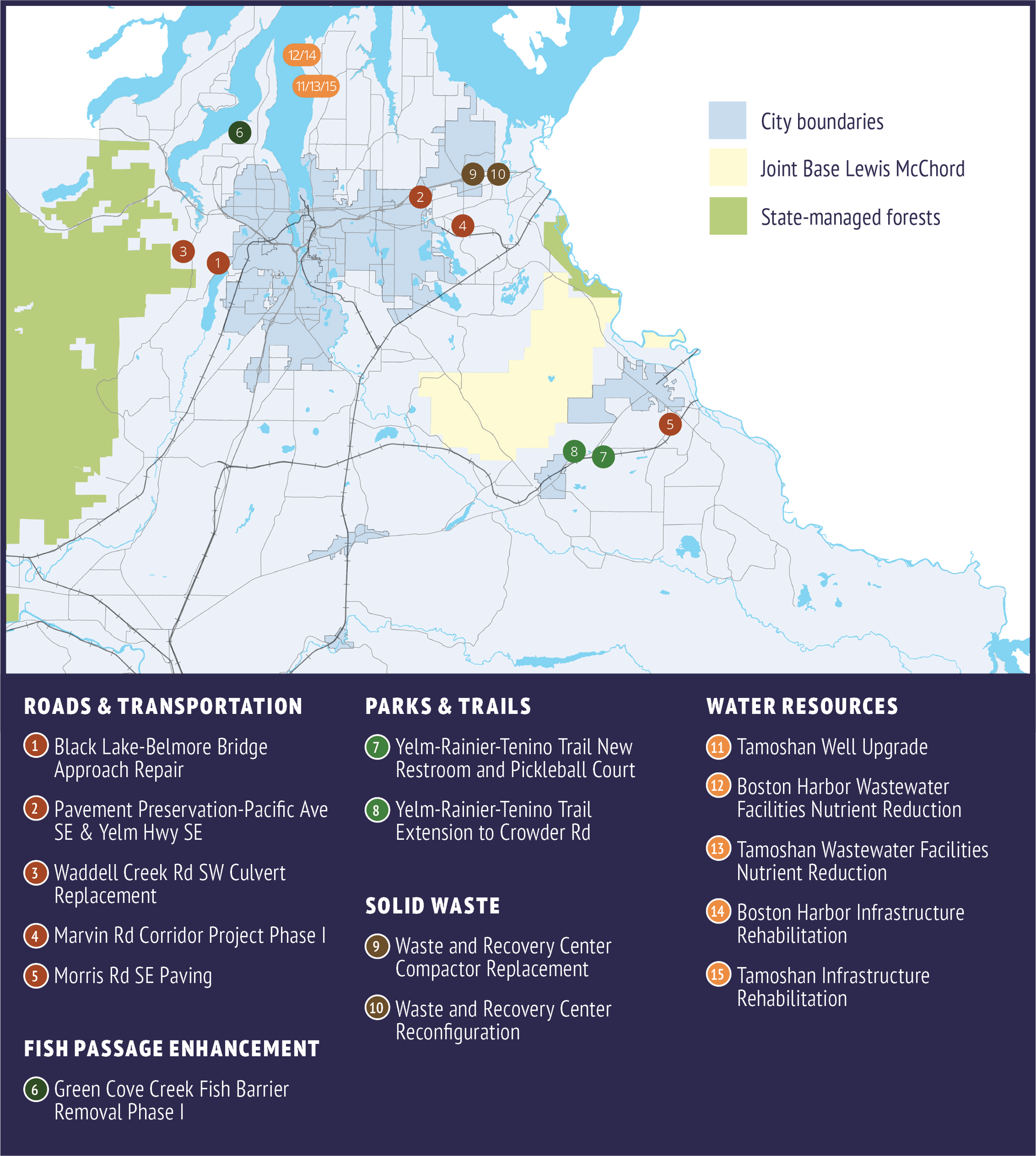
Green Cove Creek
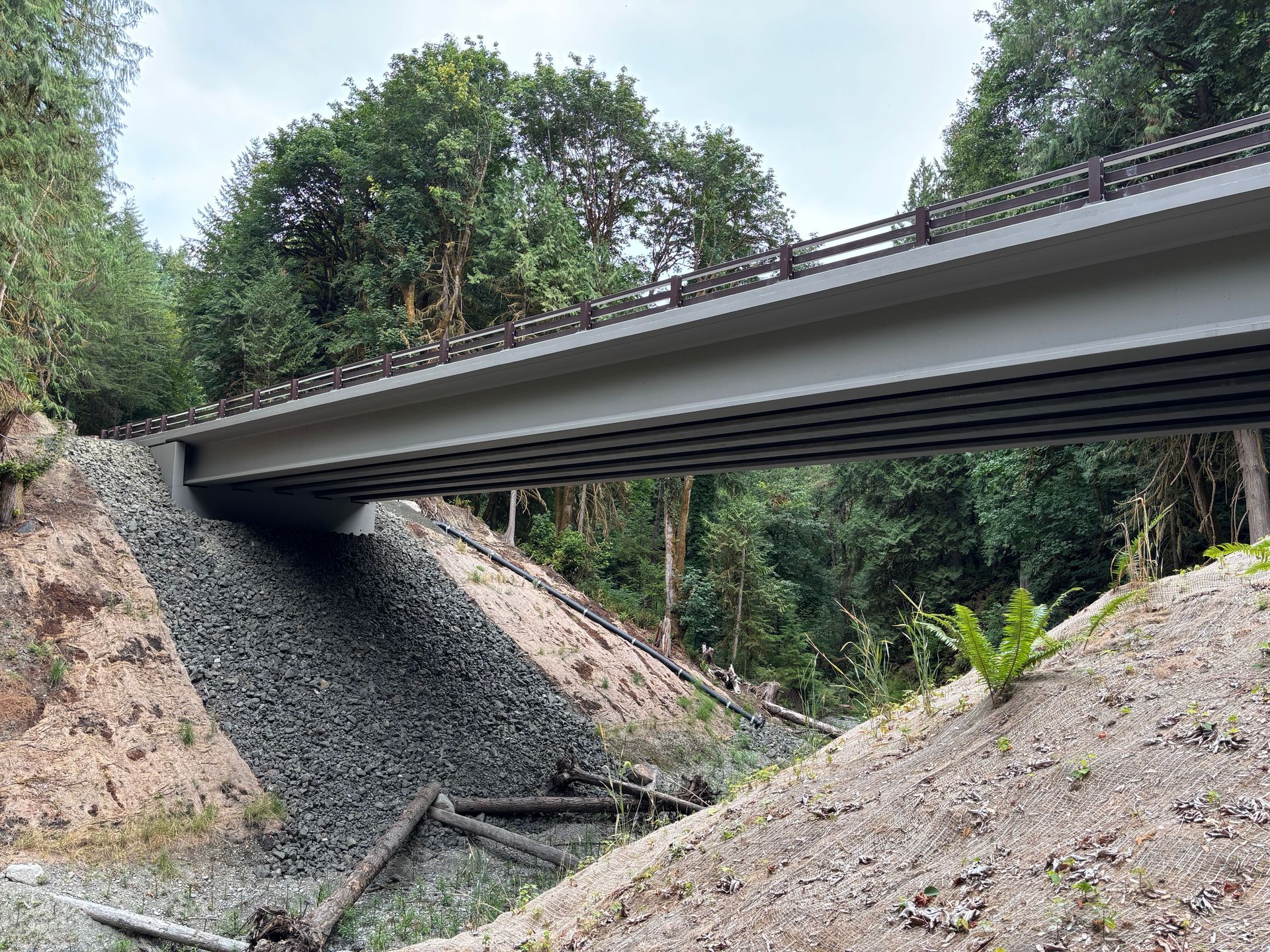
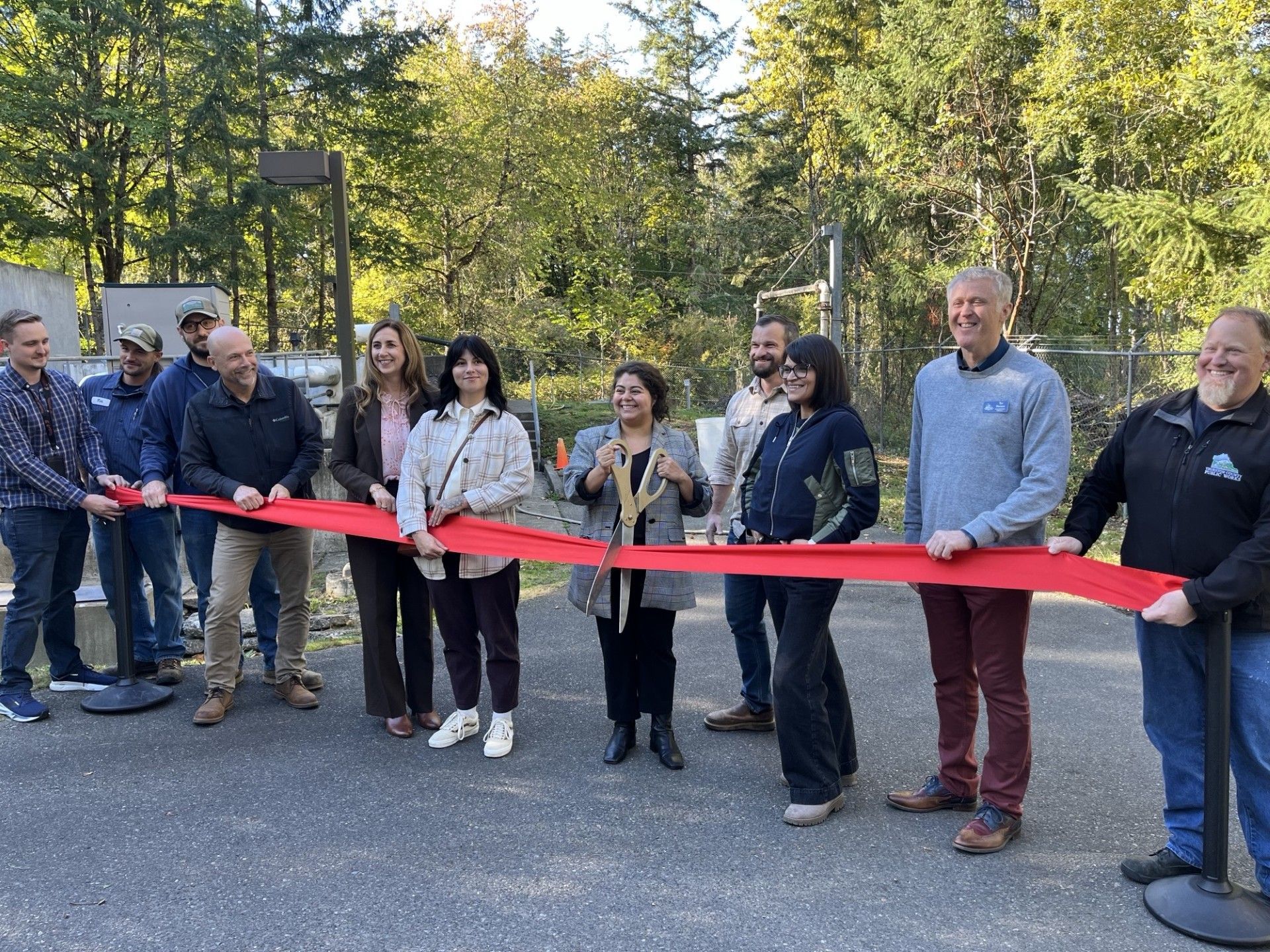
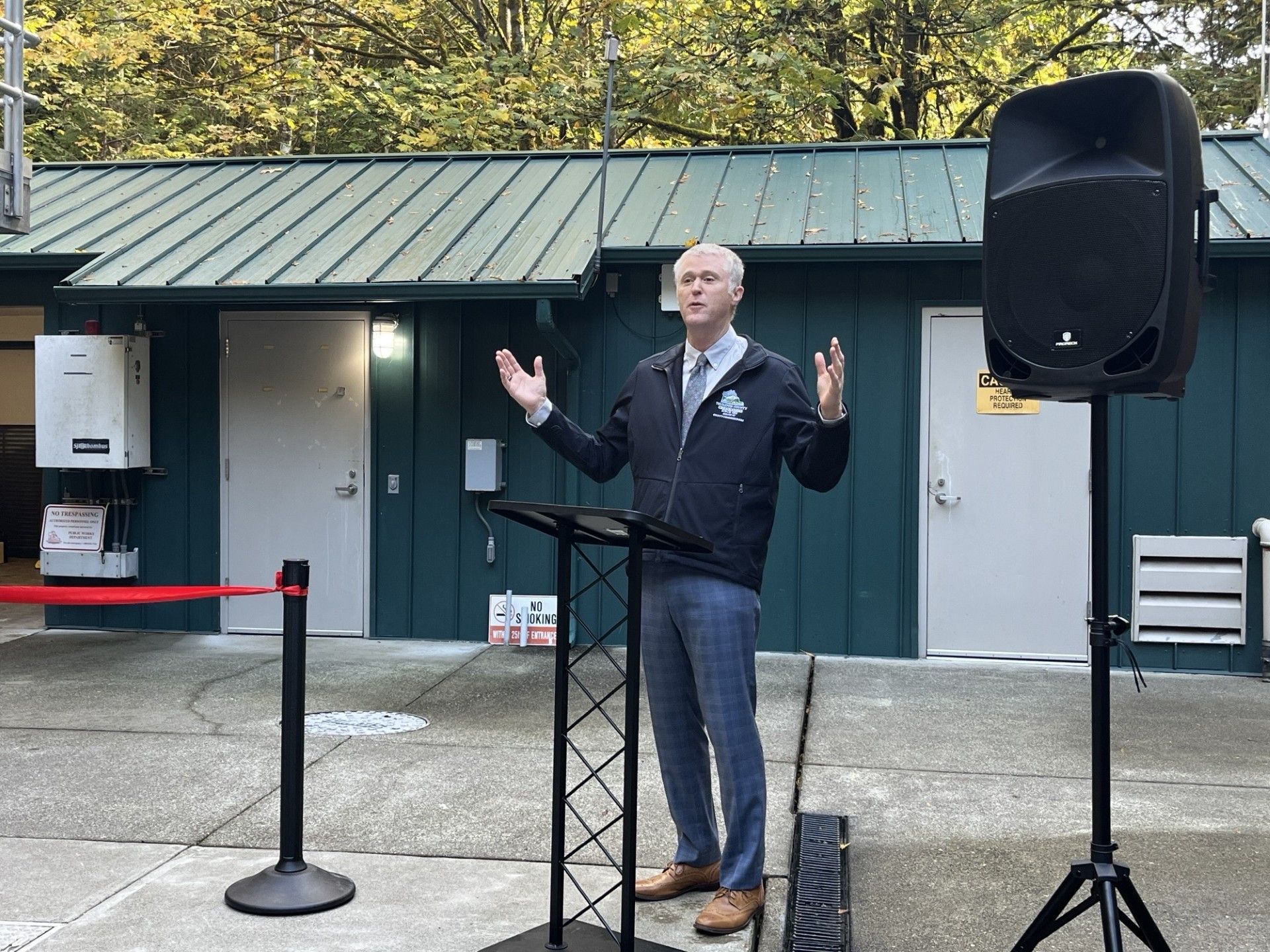
In August, Thurston County Commissioners, the project team, Green Cove residents, and Congresswoman Marilyn Strickland gathered for a ribbon-cutting to celebrate the Green Cove Creek Fish Barrier Removal Project.
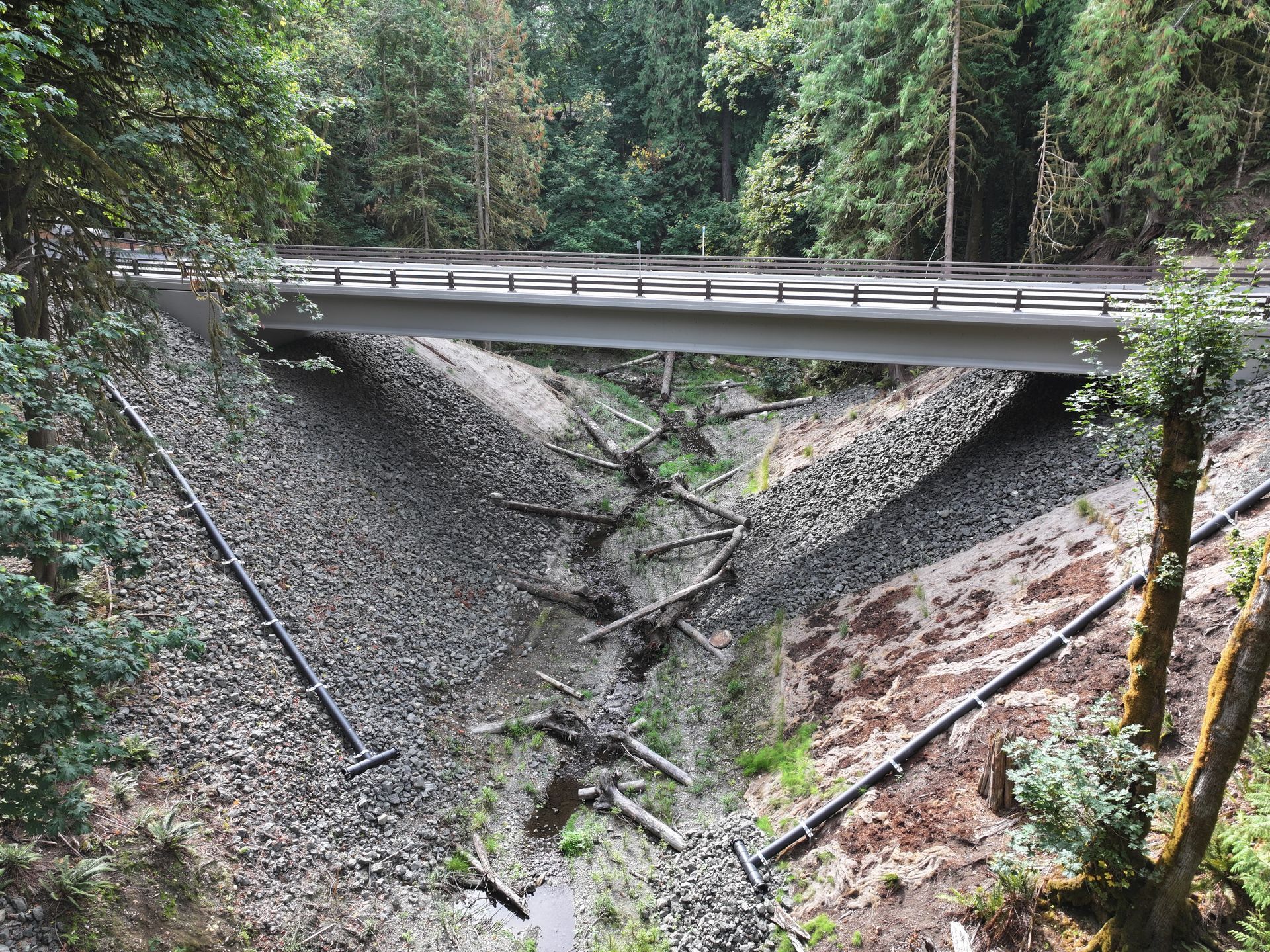
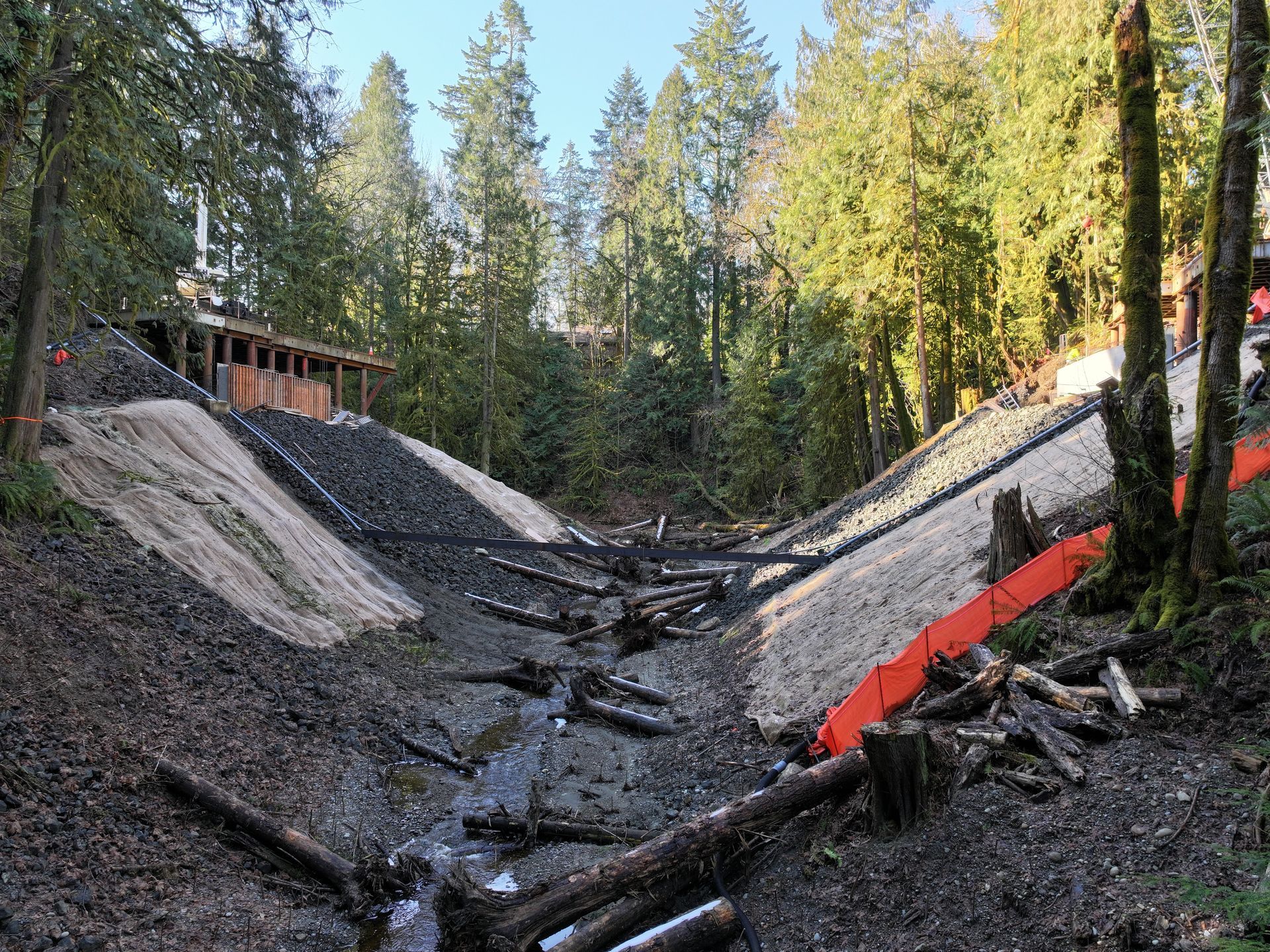
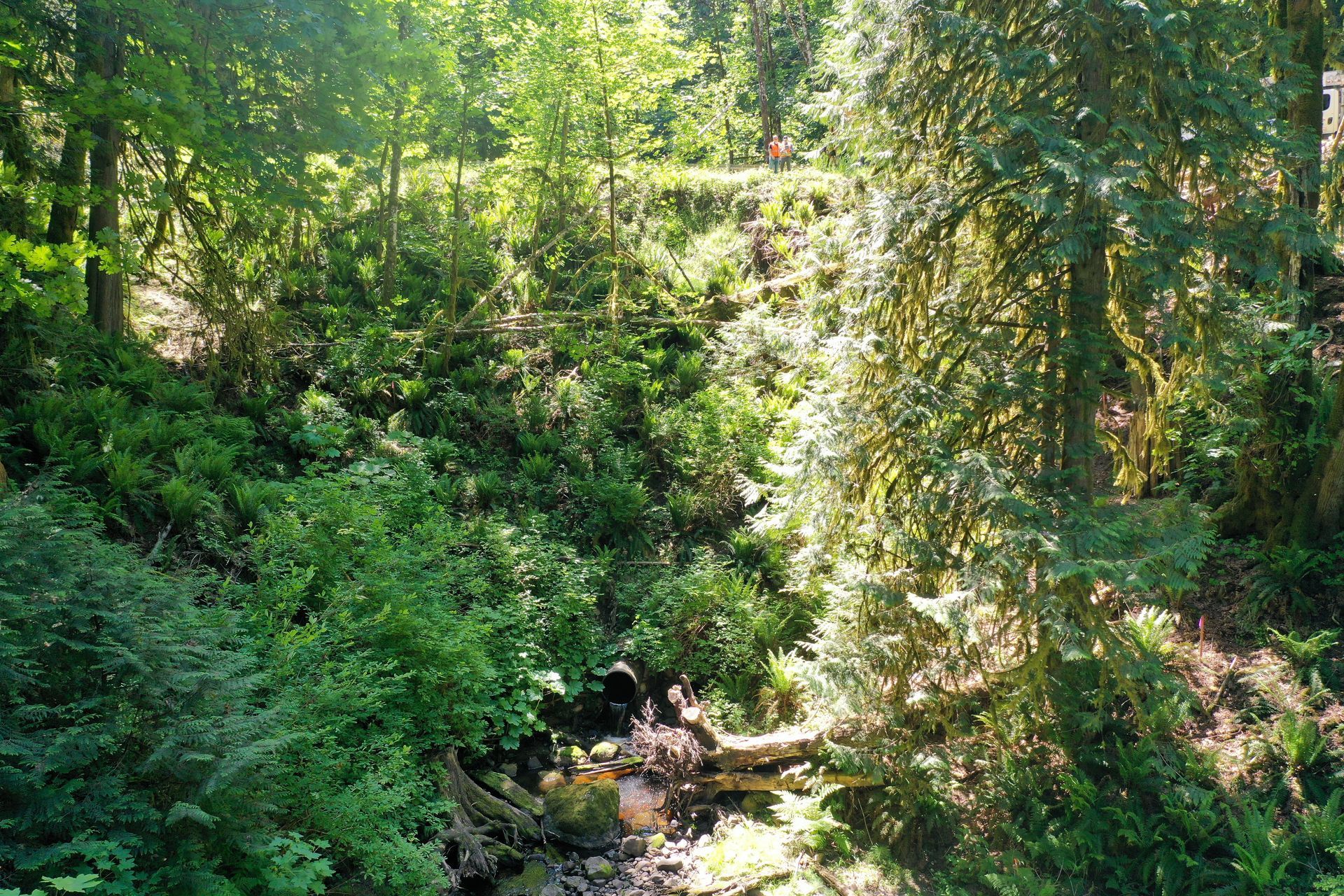
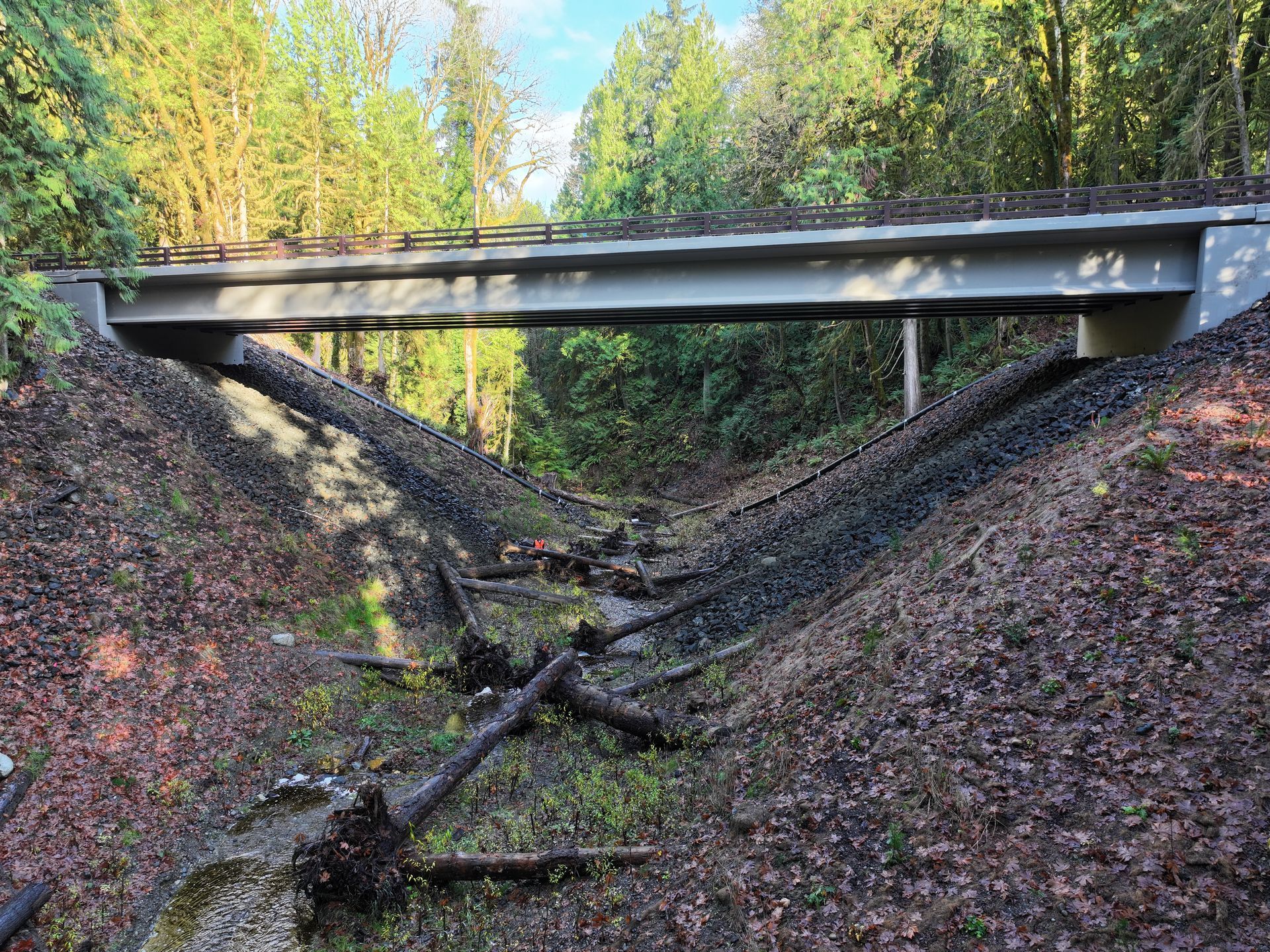
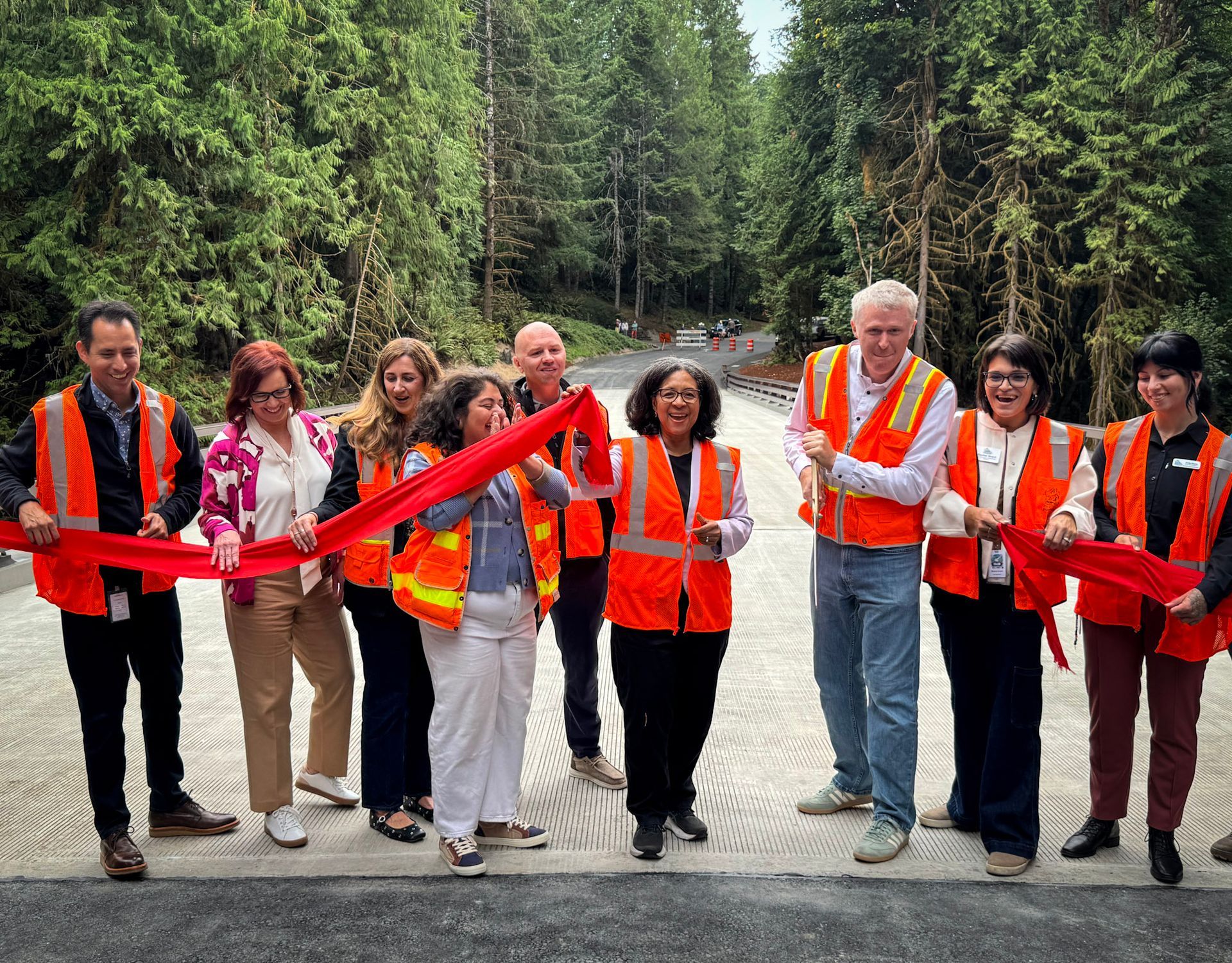
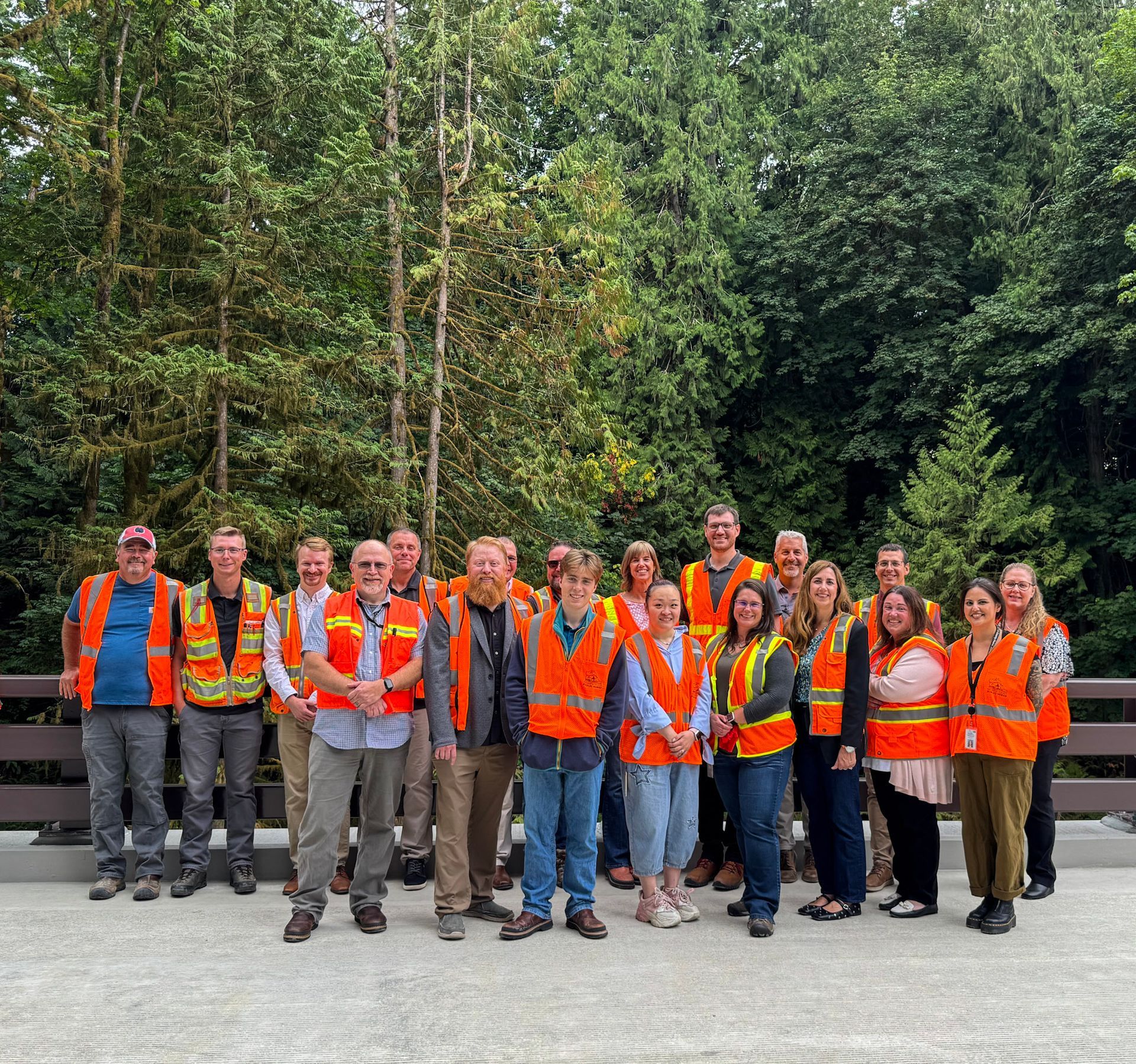
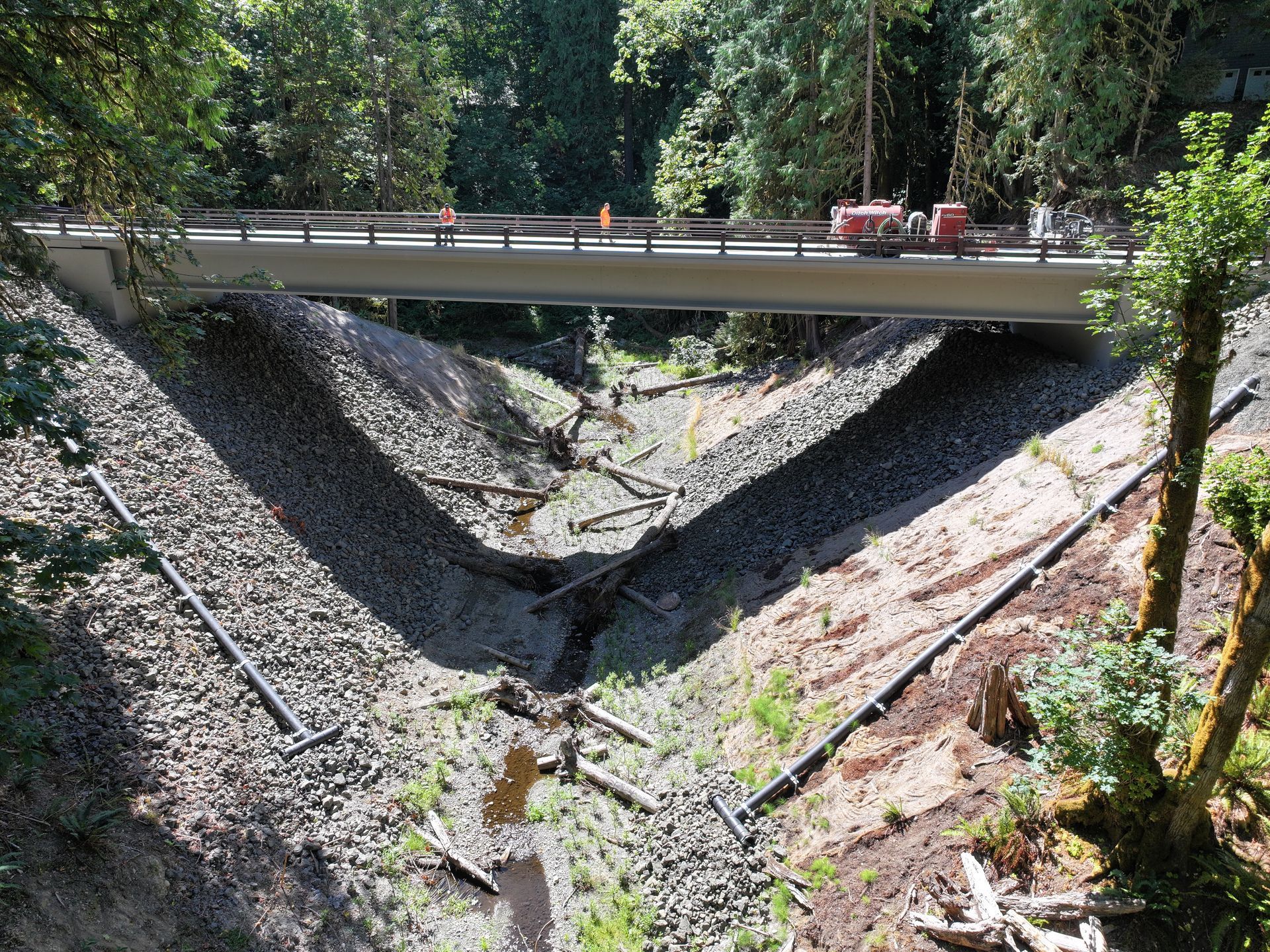
This project replaced an old, undersized culvert on Green Cove Creek in Olympia with a new bridge that improves fish passage, reduces flooding, and makes the roadway safer for the 65+ homes that rely on it. The old culvert had impeded fish passage for more than 50 years and caused major backwater flooding, reaching 17 feet during a January 2022 storm. The new bridge restores natural streamflow and sediment movement, opening 0.6 miles of upstream habitat for coho, chum, Chinook, steelhead, Olympic mudminnow, and coastal cutthroat trout. It also creates an important wildlife crossing under the roadway. This was a complex job that required removing 20,000 cubic yards of fill and closing Country Club Road NW for a full year. Even with these challenges, the project was delivered on time and within budget through strong planning, close coordination with neighbors, and innovative contracting. The $8.6 million project was funded by multiple state and federal partners, including the Culvert Aquatic Organism Passage Grant, the FHWA PROTECT Program, the Brian Abbott Fish Barrier Removal Board, and a Public Works Board loan. It was ranked #3 out of 306 culverts in the Deschutes Watershed Plan, highlighting its regional importance. Restoring fish passage, reducing flood risk, and improving roadway safety make this bridge a major win for both the community and the environment.
Gate-Belmore Trail
The first section of the Glacial Heritage Trail is now open, giving southeast Thurston County residents new ways to enjoy the outdoors and take in rare prairie views. A ribbon-cutting in late July marked the opening of this first 2.7-mile segment, built along the historic Gate-Belmore railway corridor.
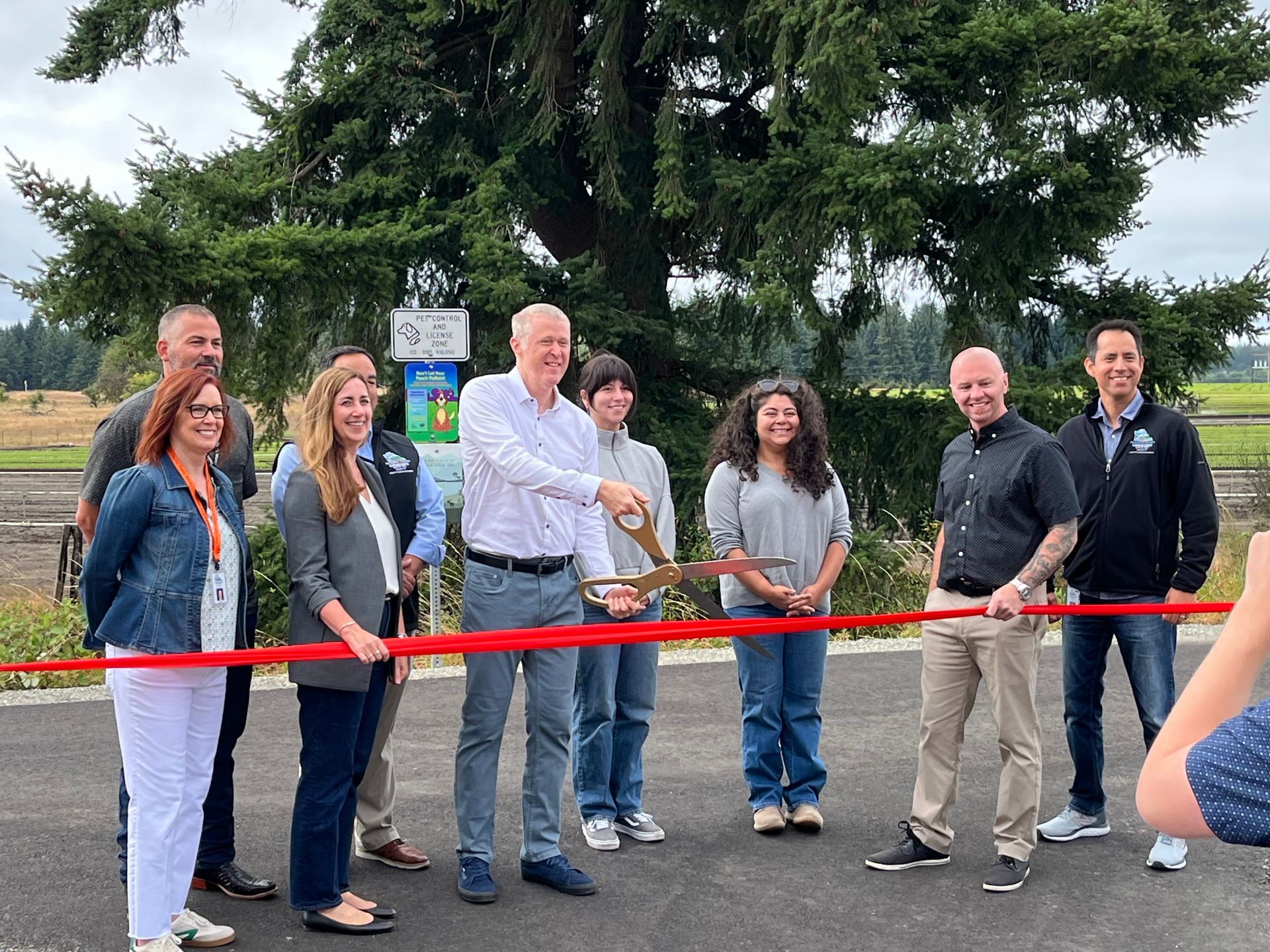
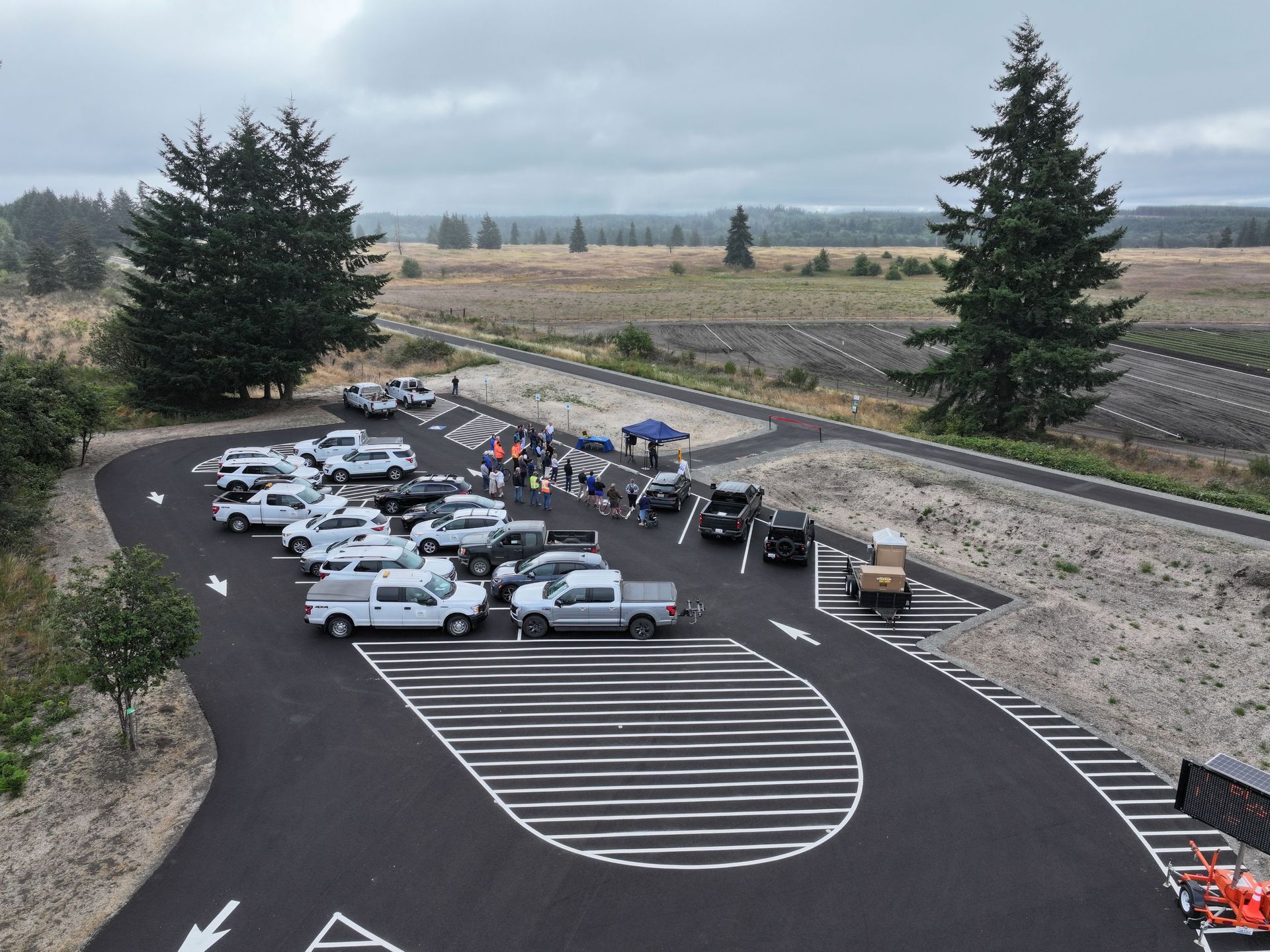
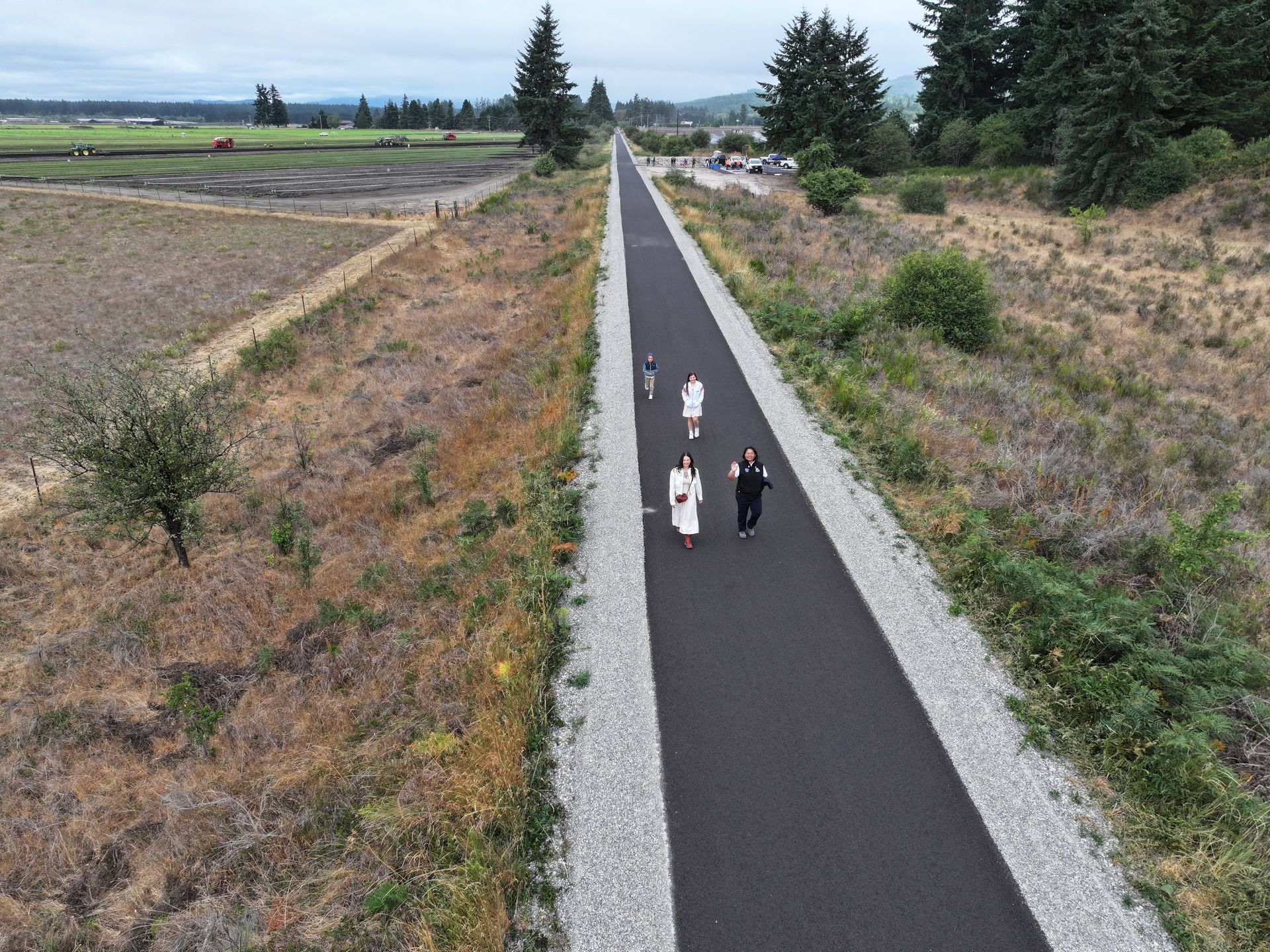
Thurston County originally purchased the full 14-mile corridor in 1996 through the Rails-to-Trails program, with the long-term vision of creating a regional multi-use trail. Nearly three decades later, that vision took its first big step forward. This new segment runs north from 152nd Street to just east of 135th Lane SW, following the old rail alignment near Mima Road SW. It includes a 10-foot-wide asphalt trail for walkers, bicyclists, and other non-motorized users, plus a new 21-stall paved trailhead. The route offers sweeping views of the Glacial Heritage Preserve—one of the last remaining native prairies in the region. As part of construction, crews removed invasive plants and replaced them with native prairie species and seed mixes that support wildlife, including the endangered Taylor’s Checkerspot Butterfly. The Glacial Heritage section was chosen as the starting point because of its strong recreational value and its direct link to important conservation lands. Construction began in March 2025 and wrapped up in July, with the ribbon-cutting held on July 25, 2025. The project cost $1.37 million, funded in part through REET2 allocations approved by the Board of County Commissioners. This milestone marks the beginning of a much larger effort. Future phases will extend the Gate-Belmore Trail to create a continuous route from Tumwater near Kenneydell Park all the way to the south county communities of Gate and Rochester. When complete, the trail will connect people to some of Thurston County’s most unique natural and cultural landmarks, including the Black River, Mima Mounds, Scatter Creek Wildlife Area, Capitol State Forest, and the Chehalis Reservation. This first phase already expands outdoor recreation, supports safer mobility options, and provides a new way for residents to experience the county’s rare prairie landscape.
Take Your Child to Work Day
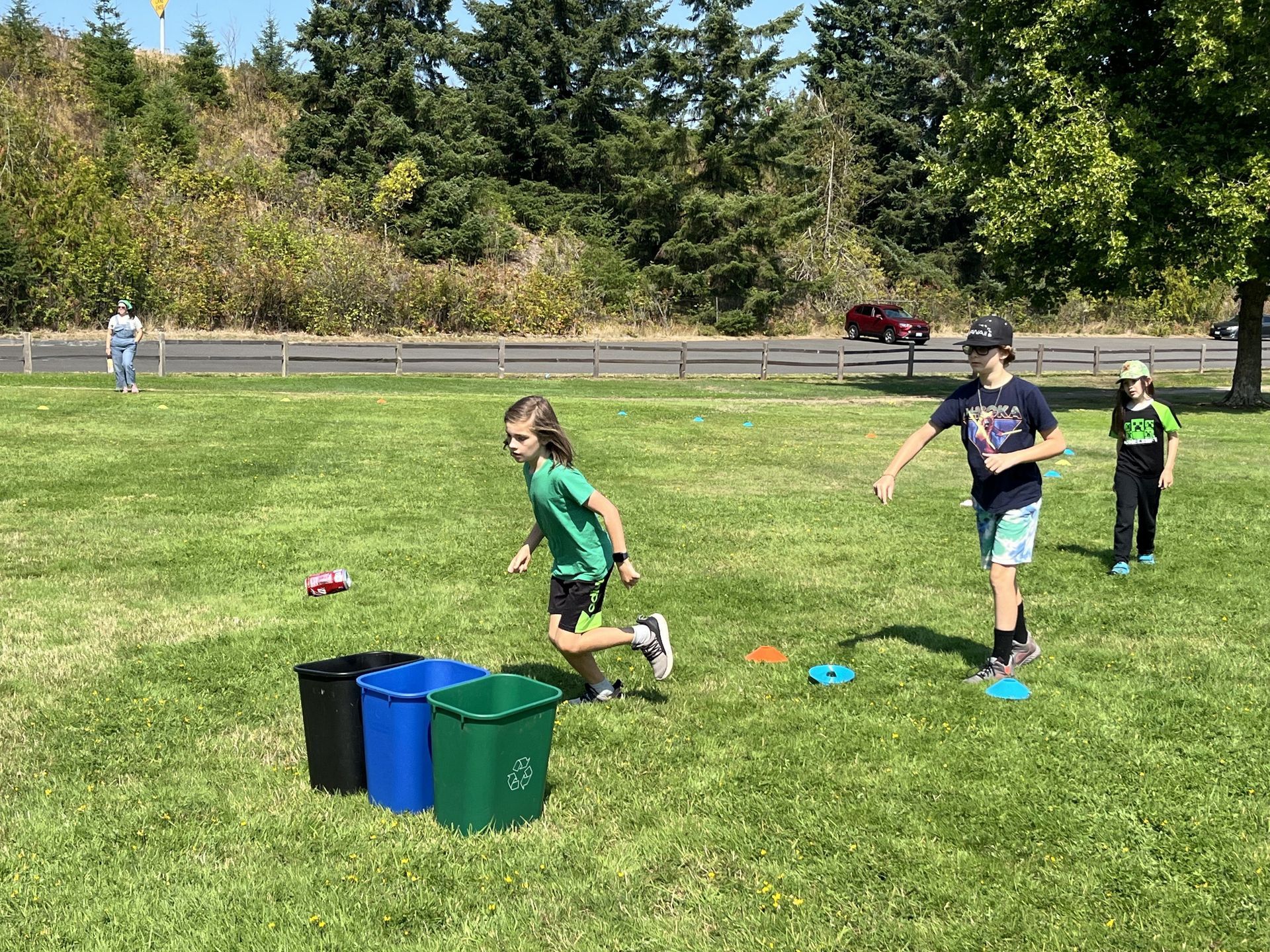
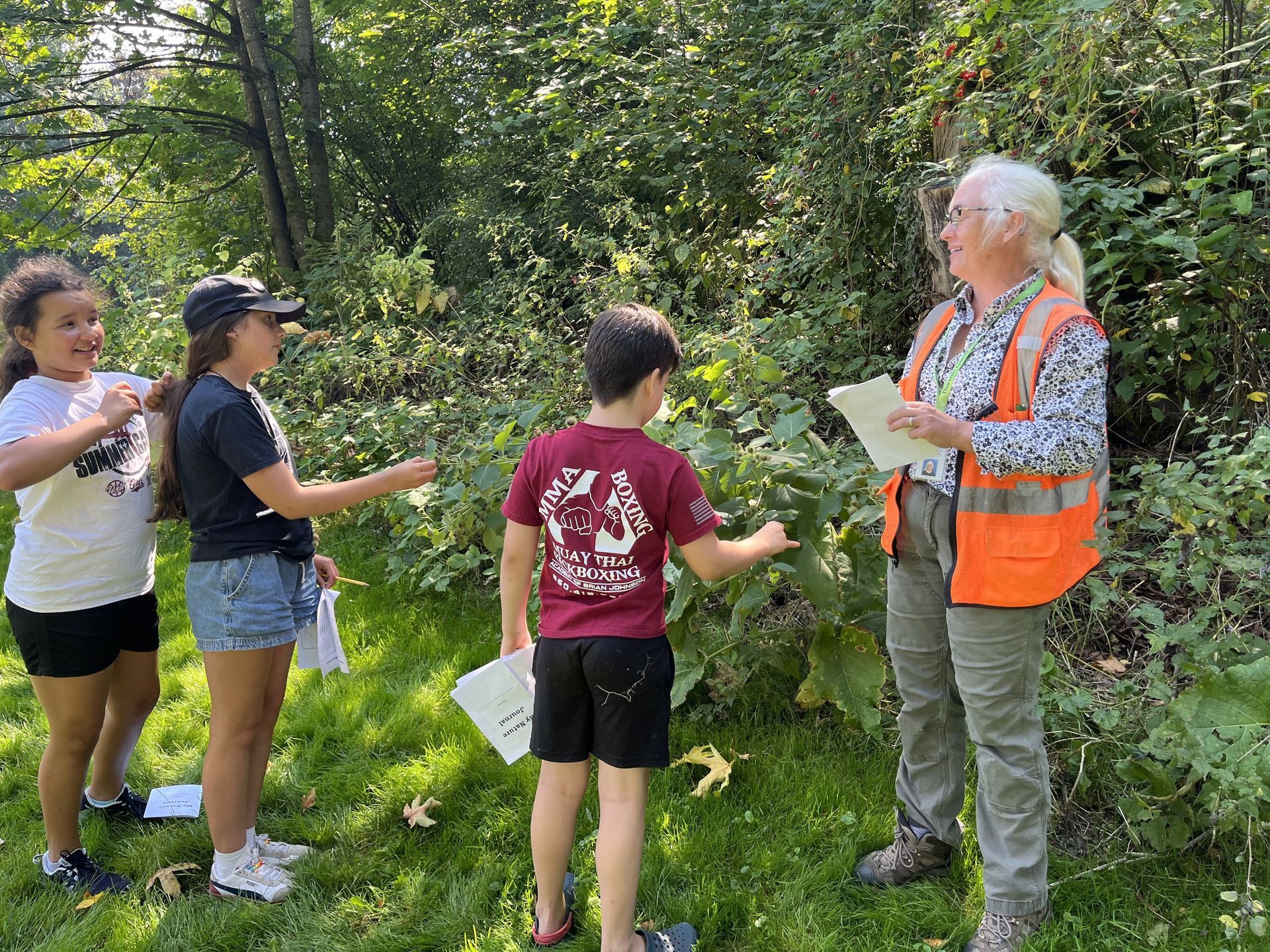
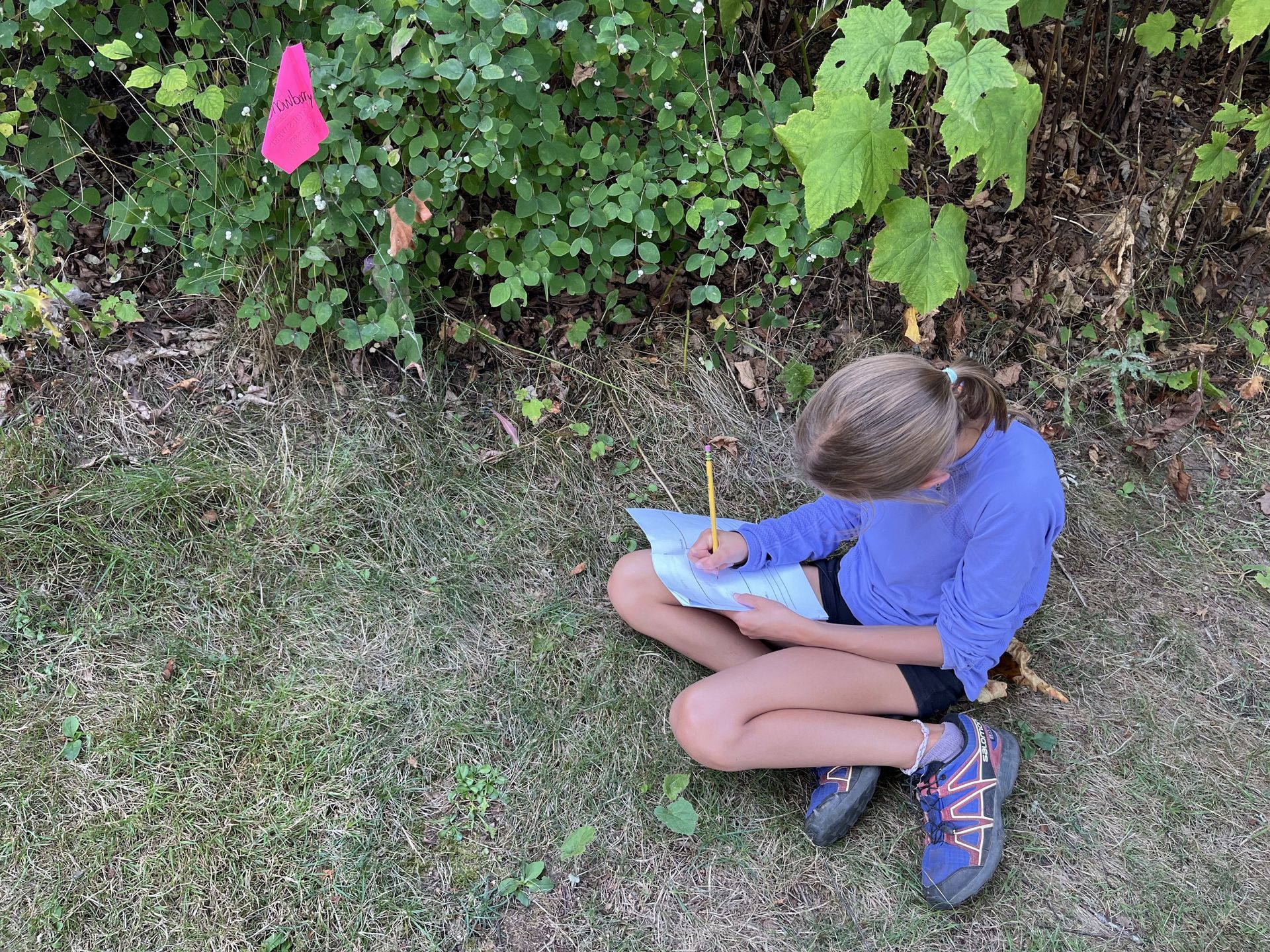
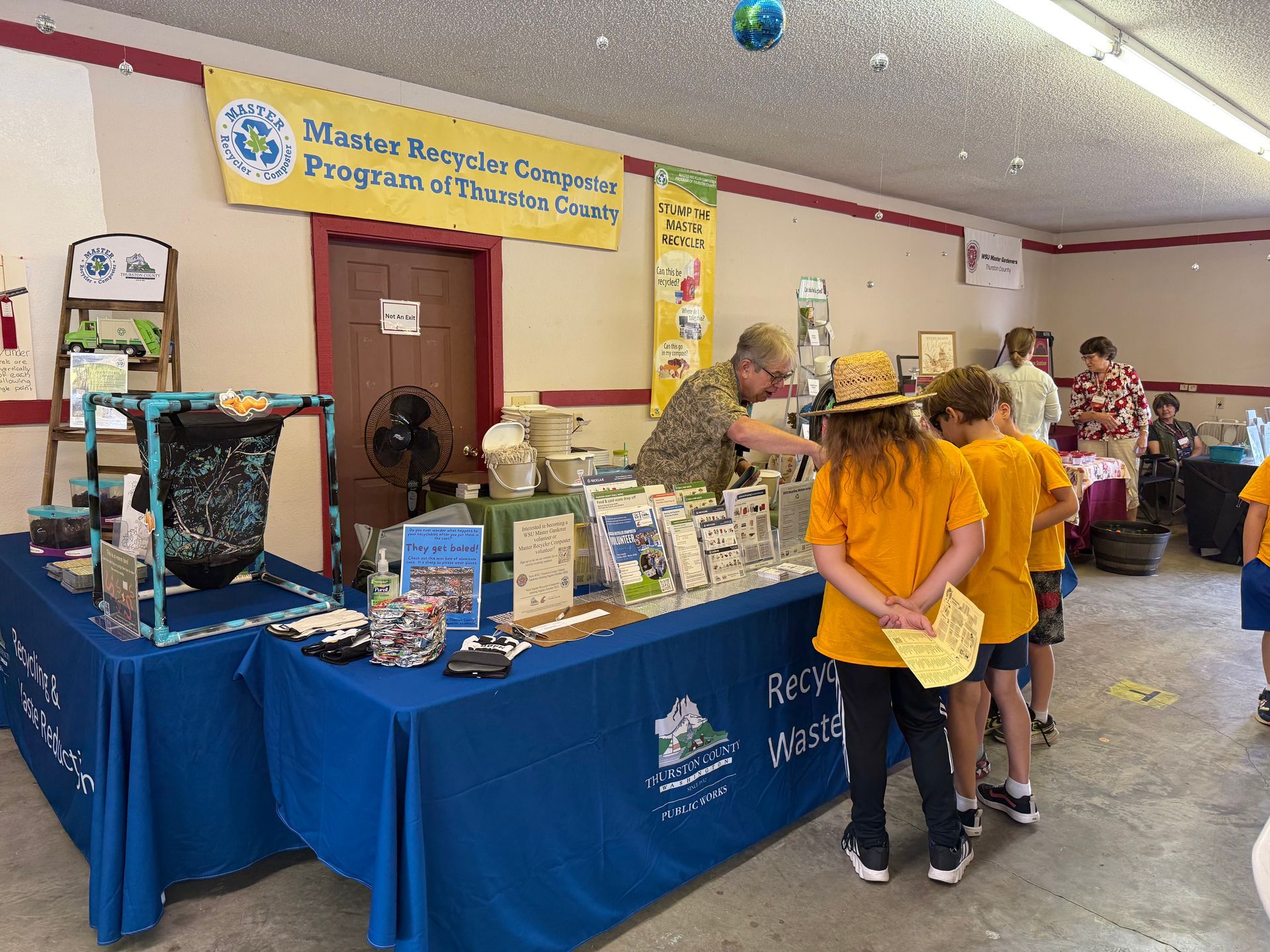
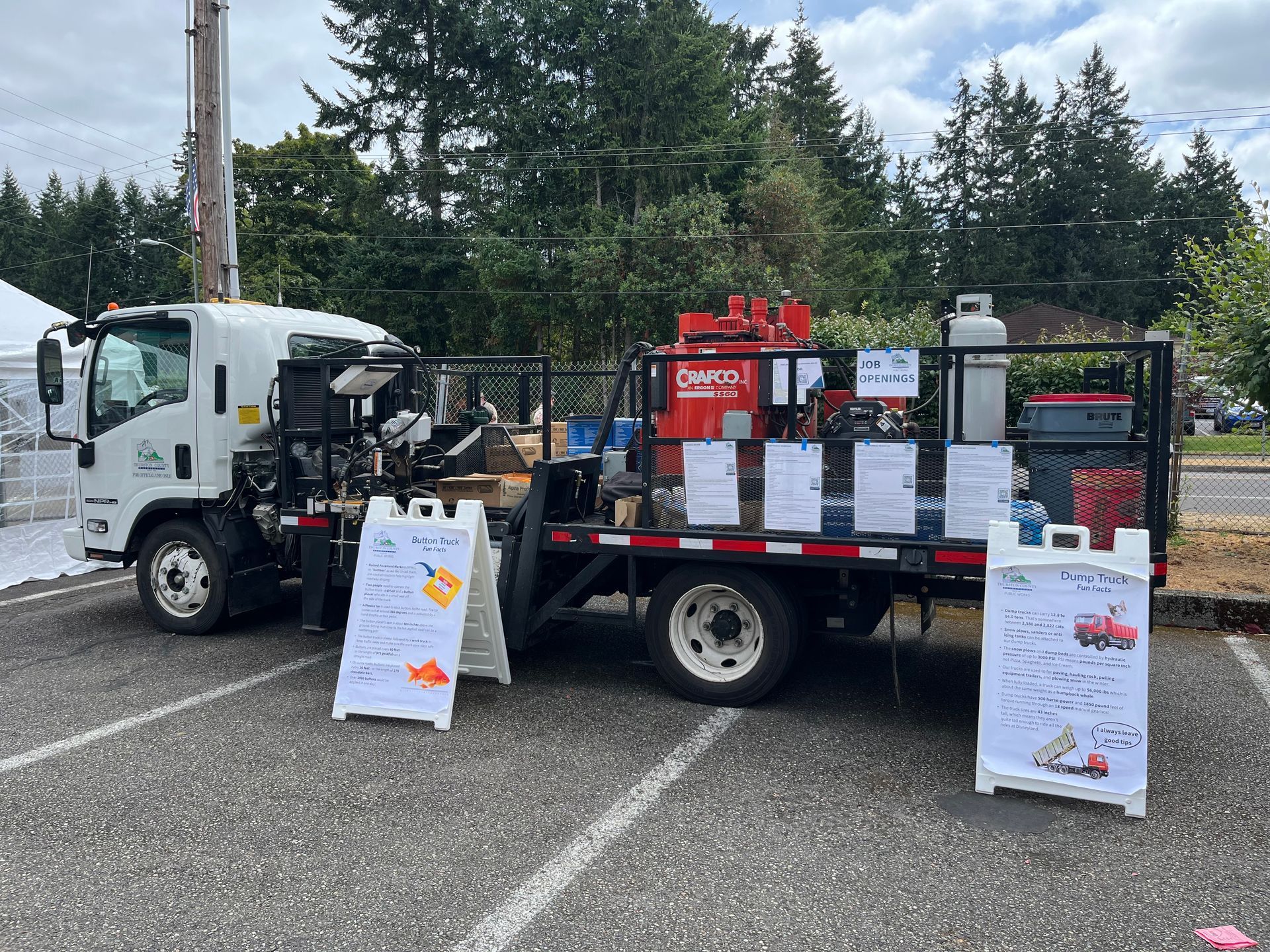
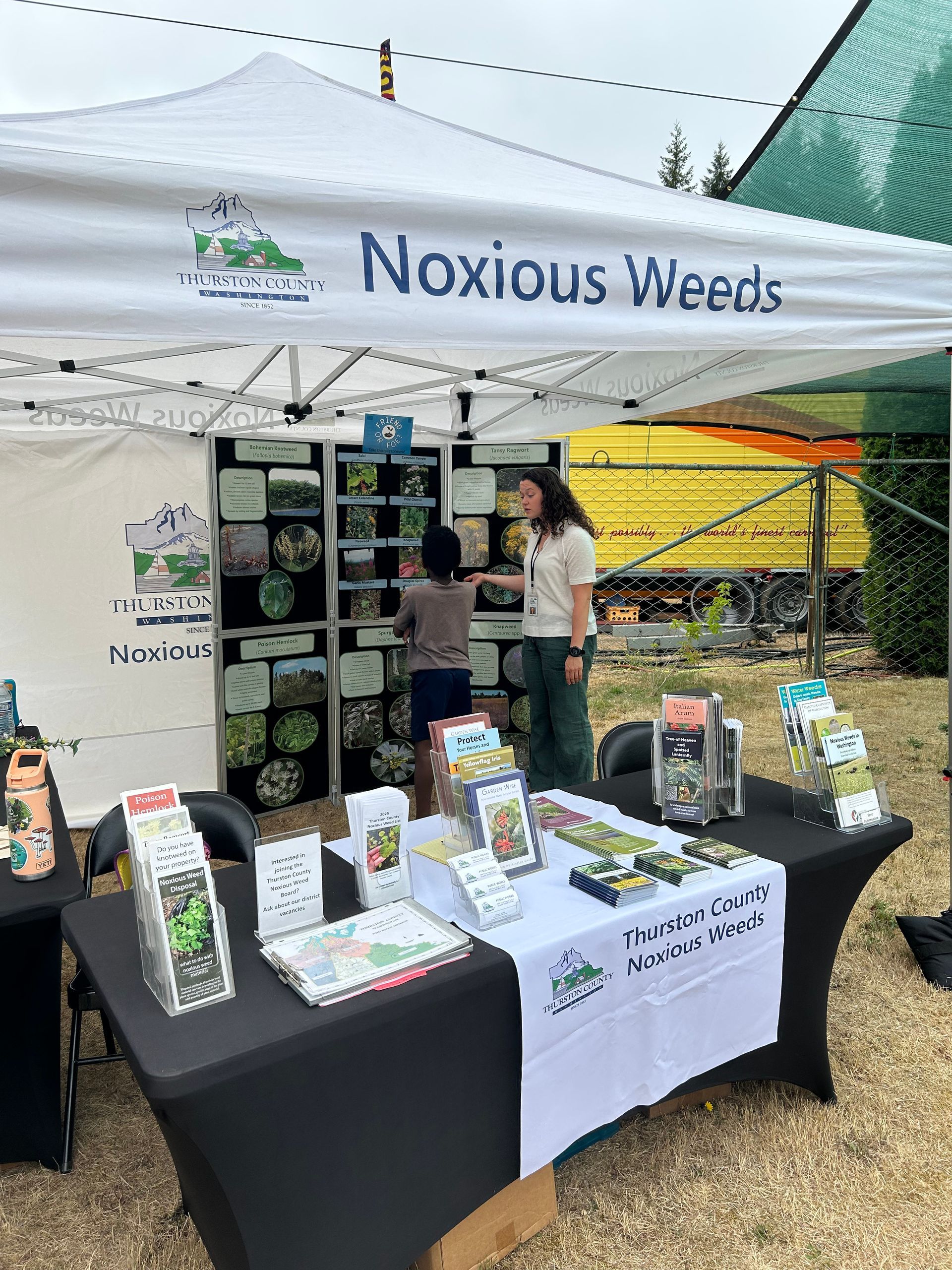
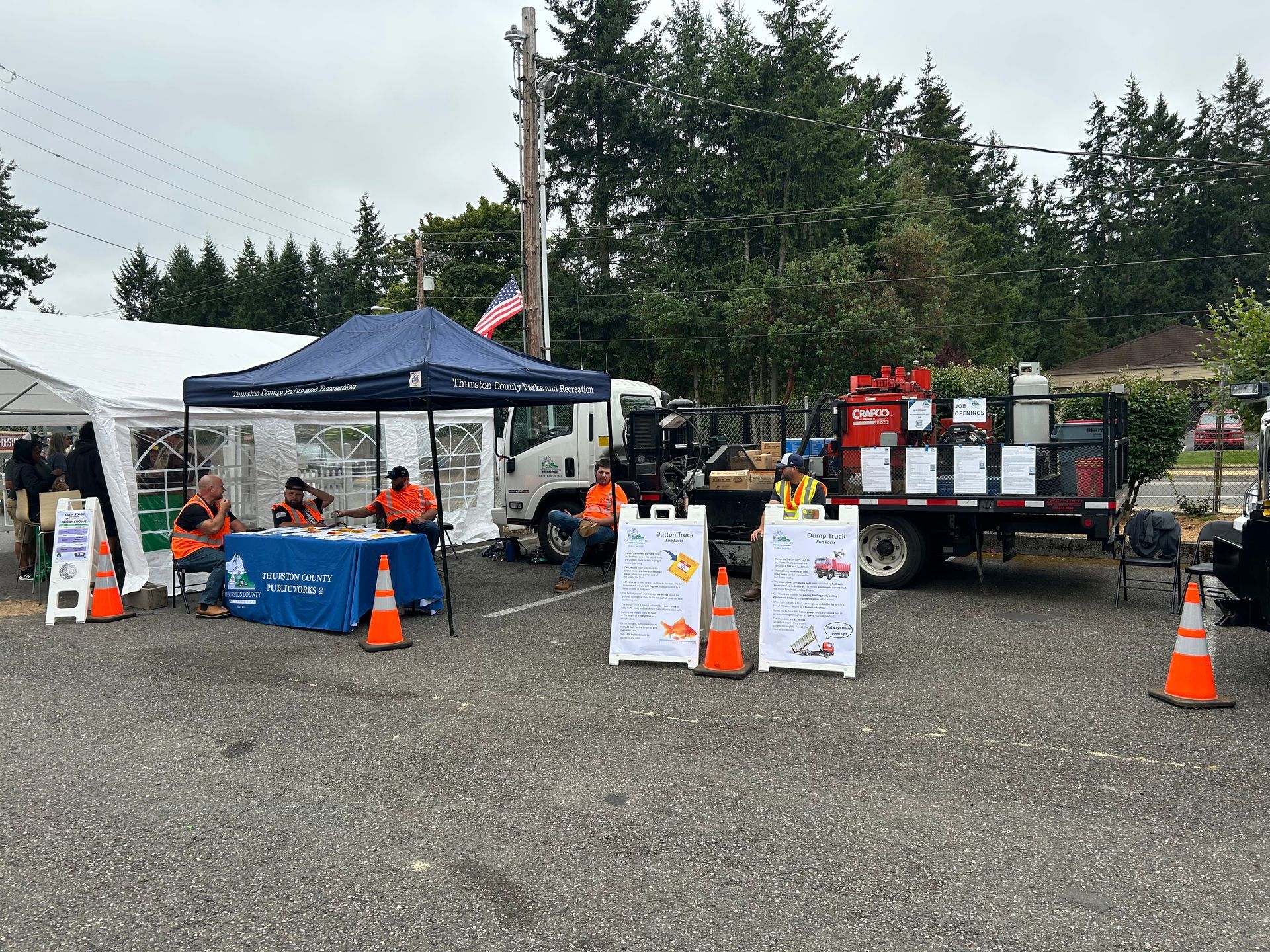
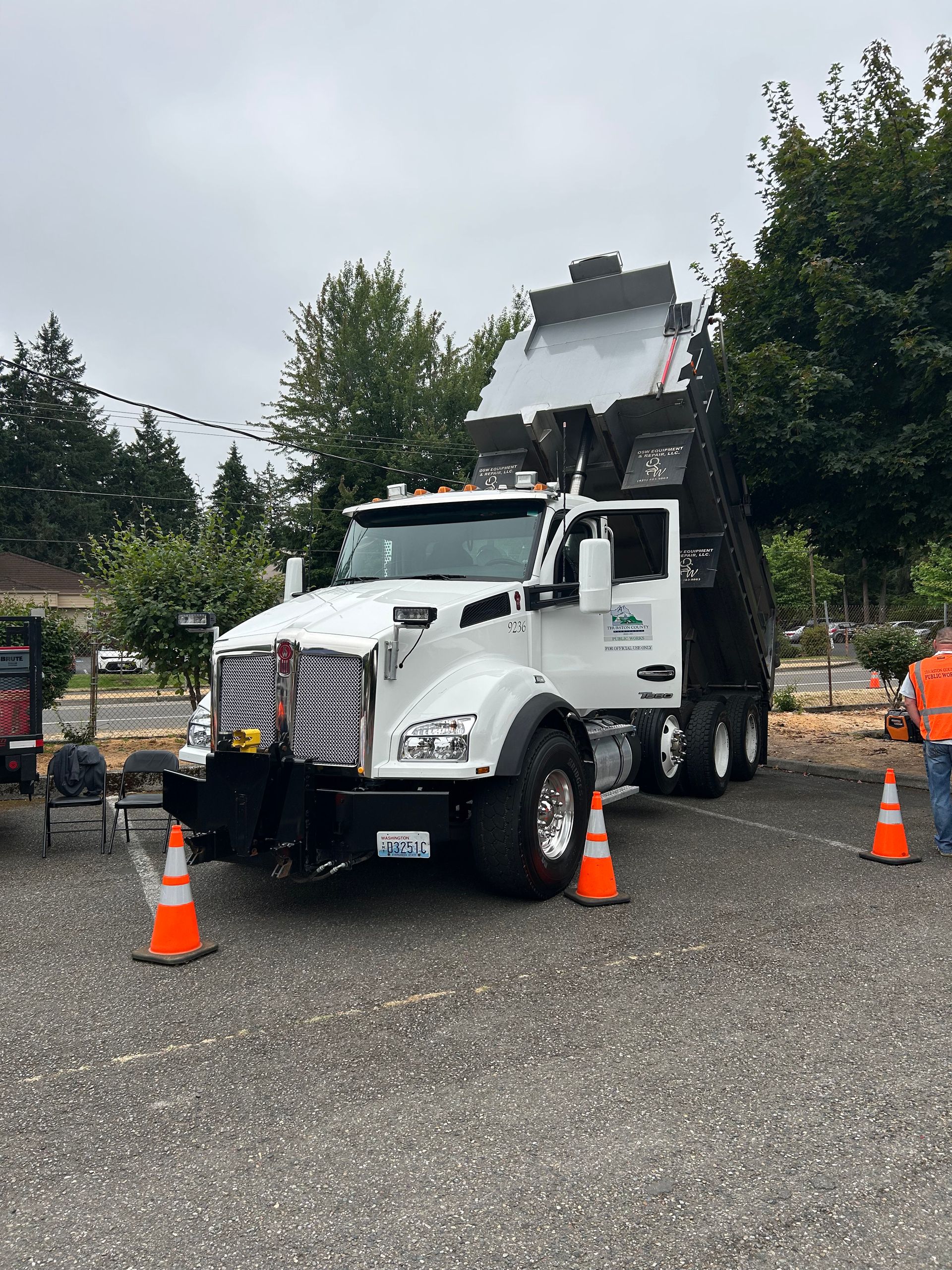
Public Works played a key role in the success of Take Your Child to Work Day, an event that brought 85 children to learn about county services through hands-on, engaging activities.
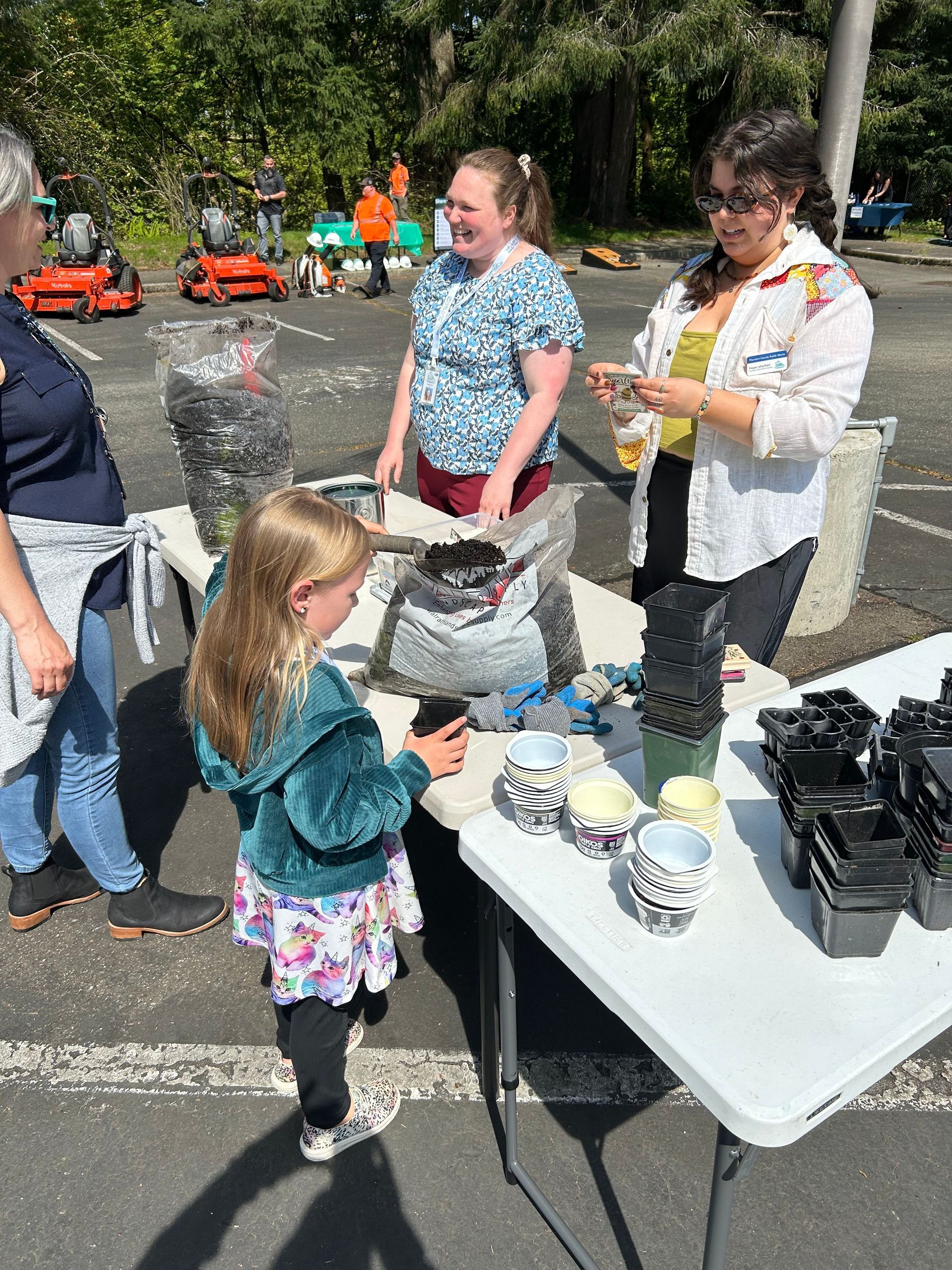
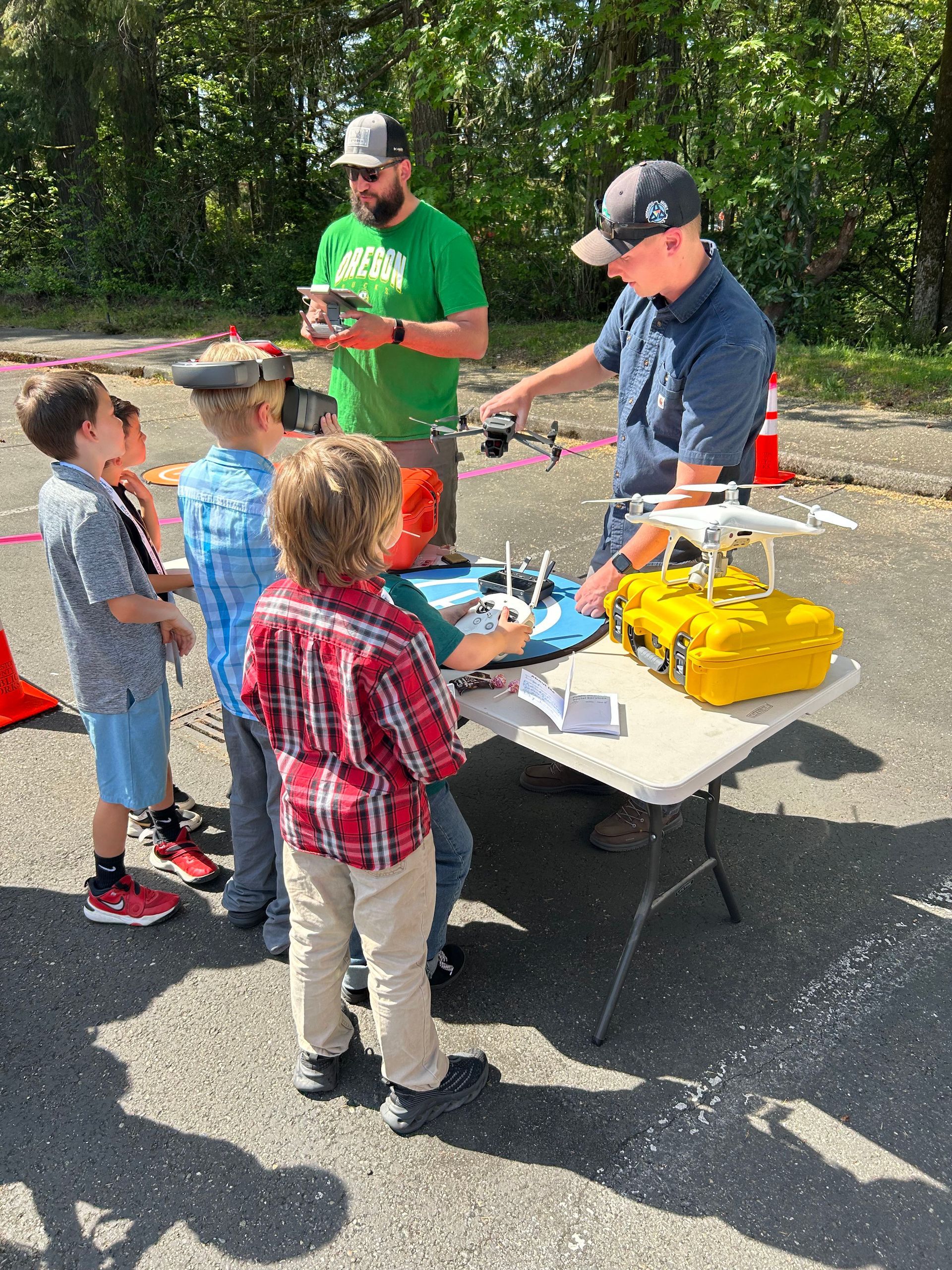
Public Works staff developed interactive stations, demonstrations, and educational experiences that helped participants explore how our teams design, build, maintain, and protect the community. Public Works’ contributions showcased our department’s commitment to community engagement and inspiring the next generation of problem-solvers.
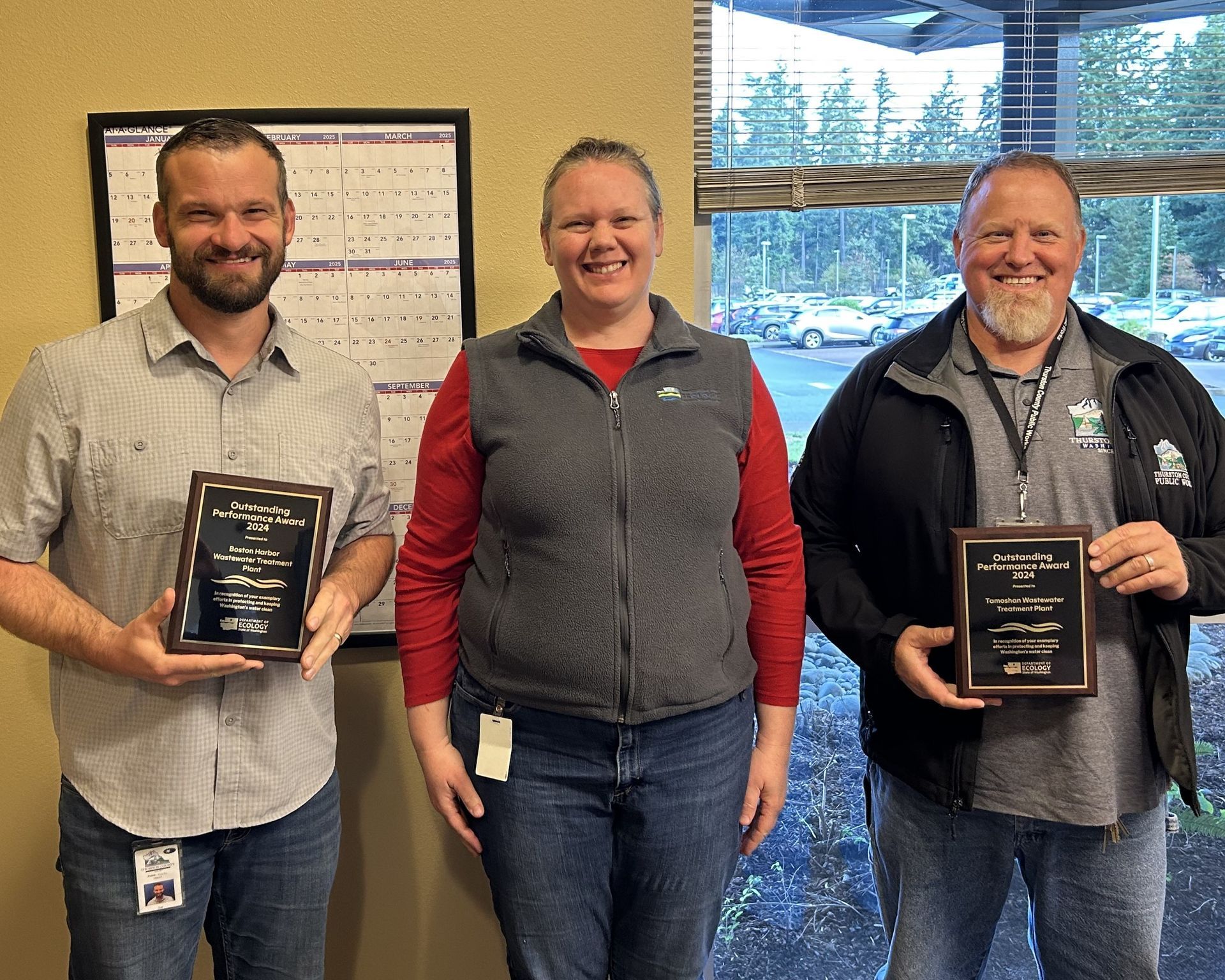
The Boston Harbor Water Main Replacements and Inflow and Infiltration Reduction Project and The Tamoshan Water and Sewer Infrastructure Rehabilitation and Replacement Project
Thurston County’s Tamoshan and Boston Harbor water and sewer systems were dealing with aging infrastructure, limited fire-fighting capacity, and problems with infiltration and inflow that put reliable, affordable service at risk.
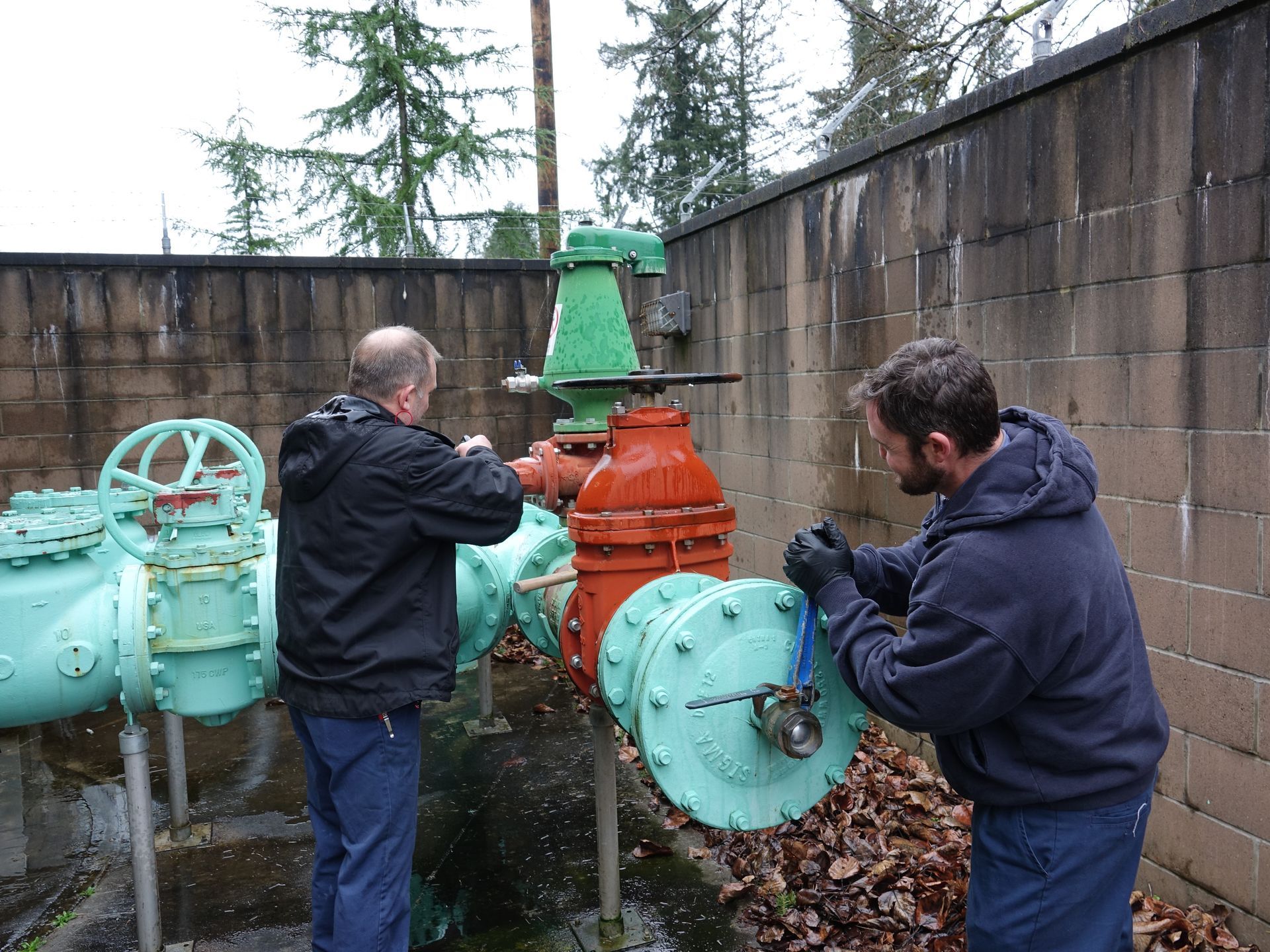
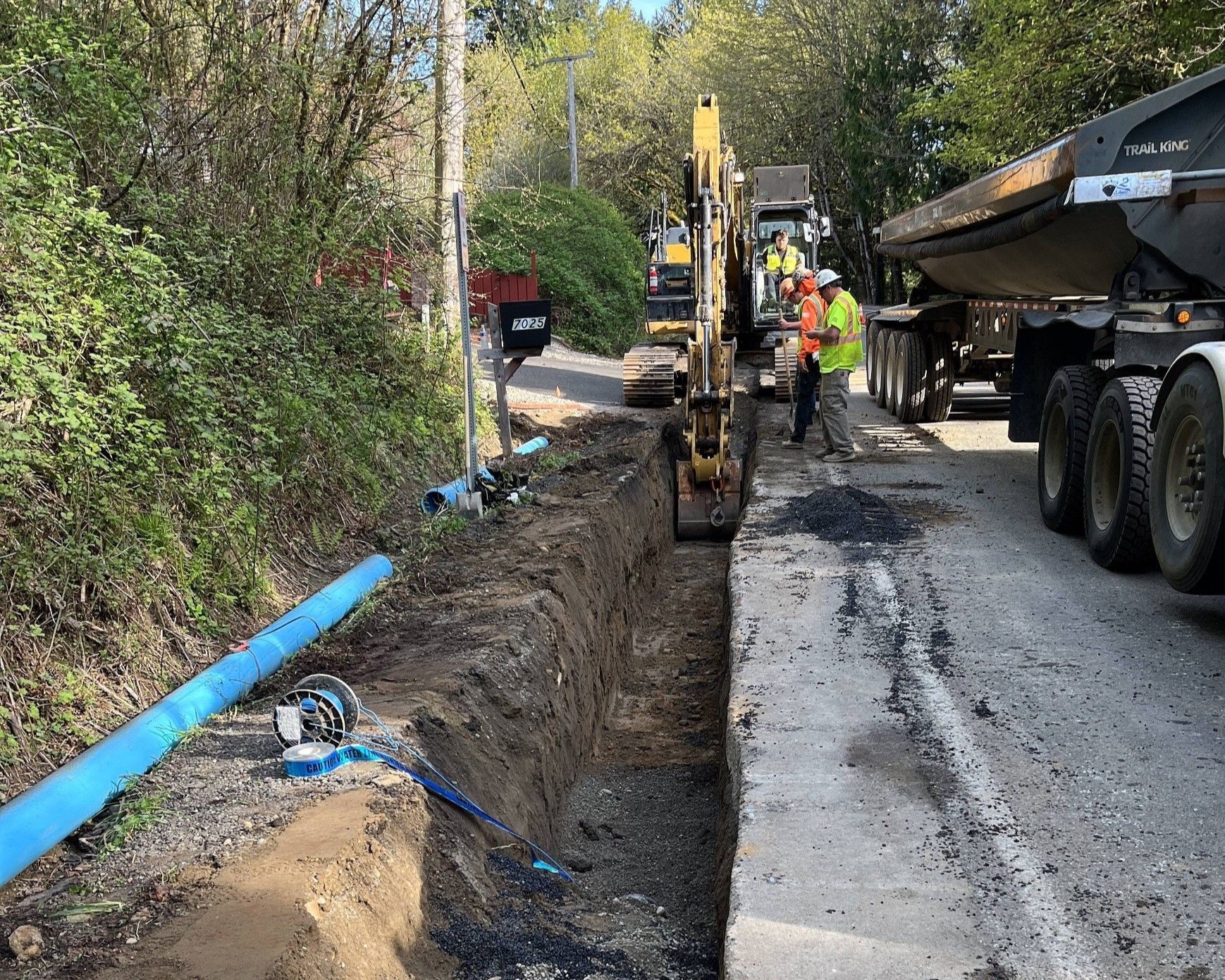
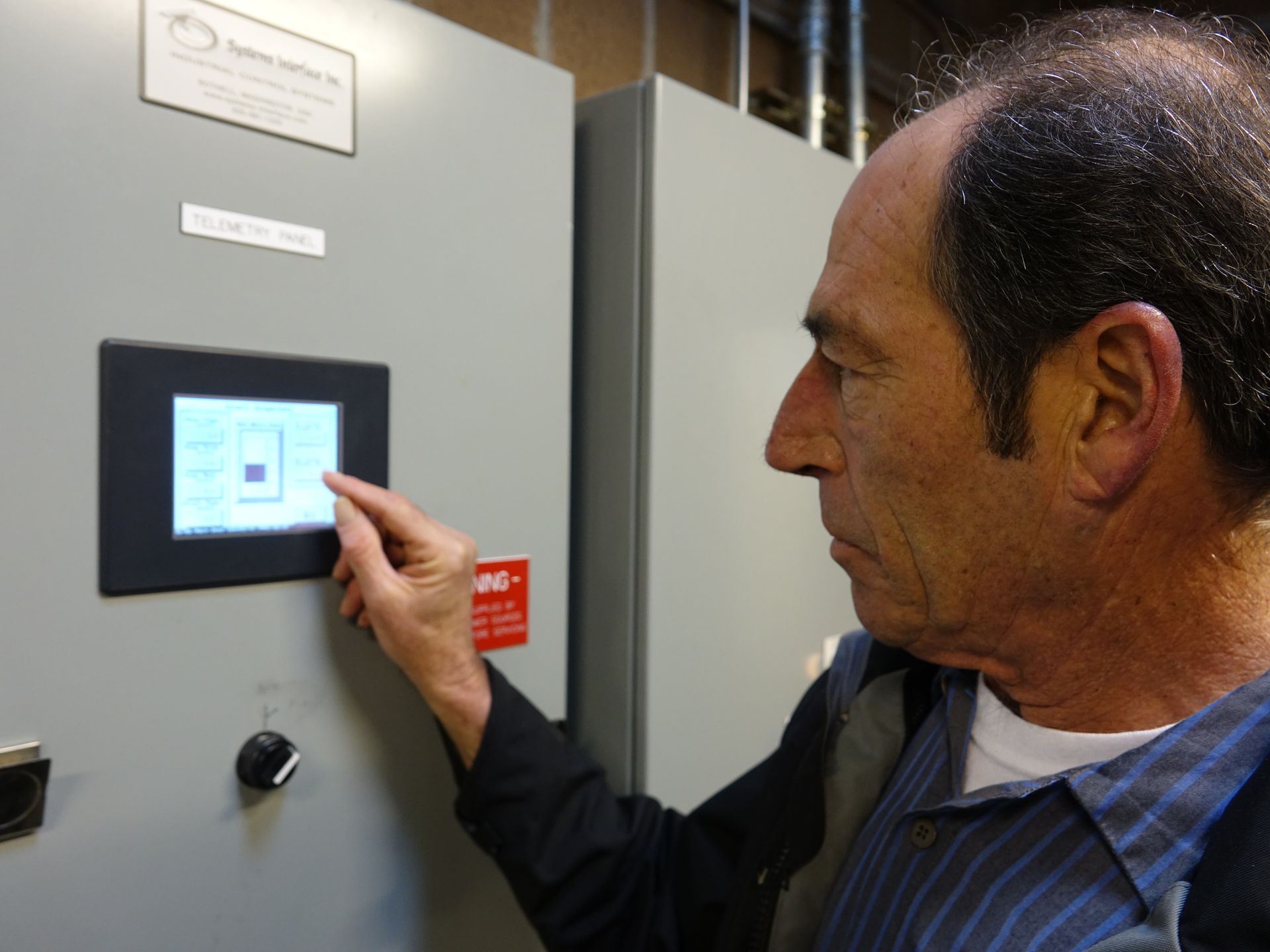
Much of the equipment was past its useful life, which meant more chances of service interruptions, expensive emergency repairs, and possible compliance issues. Without outside funding, ratepayers in these small systems would have shouldered the full cost of replacing critical infrastructure—something that would have been a major financial burden. To address these challenges, the county used American Rescue Plan Act (ARPA) funds. In Boston Harbor, work included replacing undersized water mains to boost water pressure, adding fire hydrants for better fire protection, and upgrading Septic Tank Effluent Pump (STEP) risers and lids to cut down on infiltration and inflow. In Tamoshan, improvements included replacing old water mains and service connections, rehabilitating sewer mains and manholes, and making sanitary upgrades in the wellhead protection area. These upgrades improve the reliability and performance of both systems, strengthen fire safety, and make wastewater treatment more efficient by reducing unnecessary flows into the sewer system. Customers are already seeing results, including better water pressure and easier access for STEP tank maintenance. Over time, the projects will help reduce maintenance costs, minimize service disruptions, and extend the systems' lifespans. By using asset management tools like condition scoring, runtime data, and service history, the county was able to target the most pressing repairs within the available funding. This approach made the most of the ARPA investment, kept essential services affordable, and set these utility systems up for long-term sustainability.
ArcGIS Mowing Project
Thurston County Public Works needed a better way to track and manage roadside mowing. The old process relied on paper maps and grease pens, which were slow, inefficient, and often inaccurate.
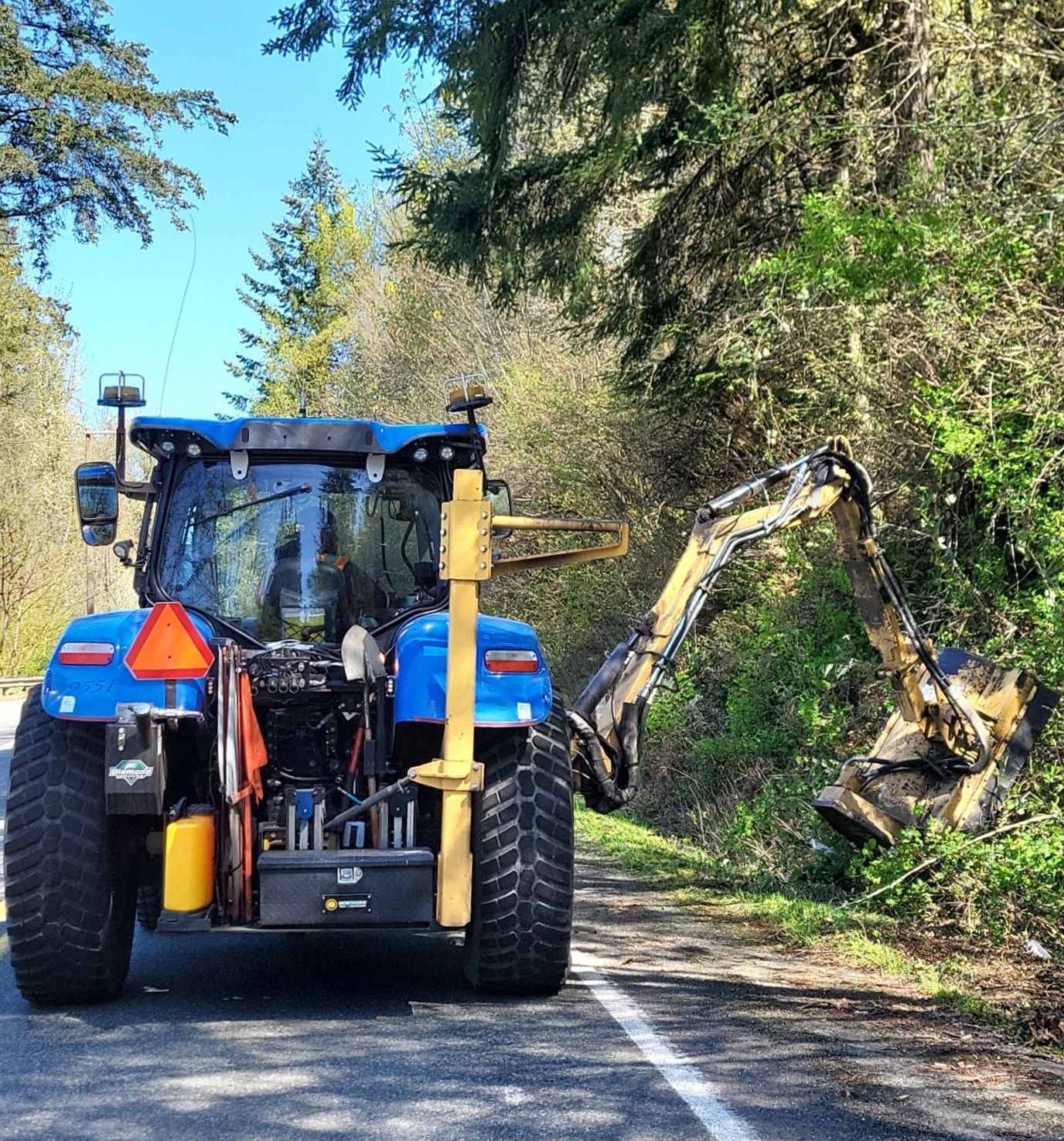
Crew chiefs had to spend too much time creating work orders, planning routes, and tracking progress by hand, using valuable time that could have been better spent managing field operations. To solve this, the county launched a pilot program using ArcGIS and a route-based database. Operators in the field now use tablets to receive work orders, update mowing status, and log progress in real time. Crew chiefs can see everything through a dashboard that shows which segments are complete, in progress, or not mowable. This modern system reduces administrative workload, improves accuracy, and generates reliable records for planning and reporting purposes. The results have been precise. Crews consistently meet or exceed the daily production goal of mowing 34 centerline miles, supported by up-to-date work orders and accurate route information. Crew chiefs spend much less time on paperwork and more time focusing on field oversight and resource management. Operators also report that tablets are faster and simpler than paper maps. The program started small, with one operator, but expanded to five operators by the second year, showing both scalability and staff buy-in. It was also affordable, with minimal costs for software and cell service, and no need to purchase new tablets. This pilot shows how technology can transform even routine maintenance tasks. What was once a manual, error-prone process is now a digital system that provides transparency, accountability, and efficiency. The approach not only improves roadside mowing but also lays the groundwork for expanding the system to other right-of-way maintenance activities in the future.